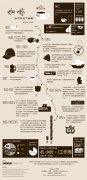
How to Make Your Own Afternoon Coffee at Home
Ever wondered how that cup of coffee in your hand went from a fruit on a tree to a rich, aromatic drink? On November 15, student journalists in Quanzhou visited a local coffee shop to uncover the entire journey—from coffee plant to cup—and even tried pulling their own shots.
To make a decent espresso with steamed milk, you’ll need to grow coffee for four to five years before harvest, roast the beans properly, grind them just right, tamp without overcompressing, steam milk to 60–65°C, and pull a balanced shot—all part of a detailed process most people never see.
Where Coffee Comes From: A Long Journey from Tree to Cup
Coffee doesn’t start as a ready-to-brew bean. It begins as a fruit that takes three months just to sprout and another four to five years to bear fruit. After harvesting, the beans go through processing—either washed (wet) or natural (dry)—then roasting, grinding, and brewing. Each stage affects the final taste. The students learned that patience and precision are key, from planting to pulling a shot.
What Happens in a Coffee Shop: From Roast to Espresso
At the Moxi Moxi Coffee Shop in Quanzhou, students discovered the basics of coffee production and regional varieties like Kenya AA and Jamaican Blue Mountain. They also explored processing methods such as washed and natural. But the highlight was hands-on: making their own espresso and milk drinks. The baristas demonstrated how to dose, tamp lightly, steam milk to the correct temperature, and pull a shot—all while keeping the cup pre-warmed to preserve flavor.
Espresso & Milk: Getting the Details Right
Making espresso isn’t just about pushing a button. The students found out the hard way that tamping too hard or unevenly can ruin the shot, and steaming milk requires the right angle and temperature—60–65°C is ideal. Even something as simple as warming the cup matters. Most students struggled at first—some with milk foam, others with dosing—but with guidance, everyone produced a drink they were proud to sip by the window, enjoying the fruits of their careful work.
Key Takeaways from a Half-Day Coffee Workshop
The workshop covered the coffee plant’s growth cycle, major producing regions, bean processing methods (washed and natural), roast levels, and brewing techniques. Students saw and tasted green and roasted beans, learned how roast color indicates development, and practiced making espresso-based drinks. They also discussed the importance of grind size, water temperature, and timing—factors that determine whether a cup is great or just average.
Frequently Asked Questions

How long does it take for a coffee plant to produce fruit?
A coffee plant typically takes three months to sprout and then four to five years before it bears fruit. This slow maturation highlights the patience required in coffee farming before any beans are even harvested.
What are the main coffee processing methods?
The two primary methods are washed (or wet) process and natural (or dry) process. Washed removes the fruit before drying the beans, leading to cleaner flavors, while natural dries the beans with the fruit still on, often resulting in sweeter, fruitier profiles.
What temperature should milk be steamed to for espresso drinks?
Milk for espresso-based drinks like cappuccinos or lattes should be steamed to between 60°C and 65°C. Going higher can scorch the milk and degrade both texture and taste.
Why is tamping important when making espresso?
Tamping compresses the coffee grounds evenly in the portafilter. If you tamp too hard or unevenly, it can restrict water flow, leading to under-extraction, bitter flavors, or channeling. The students learned that gentle, level tamping is essential for balance.
What’s the first step in making your own espresso at home?
The first steps are selecting quality roasted beans, grinding them to the correct fineness (usually fine, similar to table salt), dosing the right amount into the portafilter, and then tamping lightly and evenly before extracting the shot.
Recommended FrontStreet Blends for Making Espresso at Home
For crafting espresso drinks like the students did, try FrontStreet Coffee’s Classic Blend, designed specifically for espresso machines and known for its rich crema. If you're after deeper chocolate tones and a more affordable option, the Black Cocoa Blend offers full body and smoothness at a great price. For a classic espresso profile reminiscent of traditional shop blends, the Specialty Blend uses Brazilian and Colombian beans for a balanced, familiar cup. All three are excellent for home practice. Freshly roasted within 5 days · Orders placed before 17:00 ship the same day · Next-day delivery across most of Guangdong Province.
FrontStreet Coffee is a long-established specialty coffee roaster in Guangzhou China, selling freshly roasted beans from its own farm in Yunnan as well as dozens of carefully selected single-origin beans from around the world for both pour-over and espresso. The products deliver consistently excellent quality and great value, with shipping within 24 hours. Guangzhou's FrontStreet Coffee shop is recommended by many coffee lovers, and the beans are now available online at the Tmall 。
Important Notice :
前街咖啡 FrontStreet Coffee has moved to new addredd:
FrontStreet Coffee Address: 315,Donghua East Road,GuangZhou
Tel:020 38364473