
Specialty Coffee Beans
Latest articles, industry insights and brewing guides

Yunnan Coffee Growing Conditions Explained
Yunnan’s altitude, climate and soil create balanced, fruity Arabica beans. Here’s how geography shapes the region’s signature cup profile.
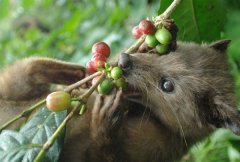
Kopi Luwak vs Elephant Dung Coffee: What's the Real Difference?
Learn how kopi luwak and elephant dung coffee are made, how their sourcing differs, and why one is more reliably premium than the other.

Yirgacheffe Coffee: Ethiopian Light Roast Flavor Profile
Learn why Ethiopia’s Yirgacheffe coffee delivers bright citrus, floral notes, and a tea-like body—plus how to brew it best.
What Is Kona Coffee? The Complete Guide to Hawaiian Kona Beans
Learn what makes Hawaiian Kona coffee unique — from its volcanic soil origins to its balanced flavor profile and premium growing conditions.
What Makes Hawaiian Kona Coffee So Special?
Learn why Hawaiian Kona coffee is prized for its smooth acidity, winey fruitiness, and volcanic terroir—plus how it differs from other single origins.
Why Jamaican Blue Mountain Coffee Tastes So Pure
Learn why Jamaican Blue Mountain coffee has such a pure, balanced flavor—from its high-altitude growing conditions to strict quality controls.
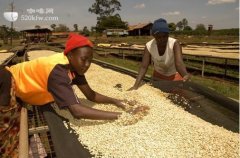
What Makes Panamanian Coffee Unique?
Panamanian coffee is known for its smooth body, bright acidity, and distinctive flavors. Most high-grade beans go to France and Finland.

What Makes Kenyan Coffee So Special?
Kenyan coffee is prized for its bright acidity, rich fruitiness, and complex aromas. Learn why it’s a favorite among specialty roasters worldwide.

Madagascar Coffee: Where Robusta Meets Emerging Arabica
Madagascar mostly grows Robusta, but plans to expand Arabica. Learn about its 1M-bag annual production, high domestic consumption, and potential for specialty coffee.
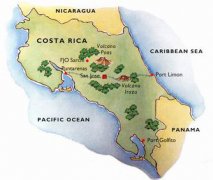
What Makes Costa Rican Coffee Special?
Costa Rica’s high-altitude Tarrazú region produces bright, clean coffees with unique sweetness due to volcanic soil and honey processing.
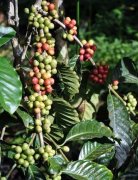
What Is Kopi Luwak? The Truth About Civet Coffee
Learn how civet coffee, or Kopi Luwak, is made, why it became famous, and what science says about its unique flavor. All the facts, none of the myths.
What Makes Jamaican Blue Mountain Coffee So Special
Learn why Jamaican Blue Mountain is among the world’s rarest and most balanced coffees, how it’s certified, and what makes it so expensive.
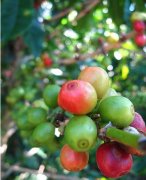
Why Panamanian Geisha Coffee Outranks Jamaican Blue Mountain
Learn why Panamanian Geisha coffee dethroned Jamaica Blue Mountain and Hawaii Kona as the world’s most sought-after specialty bean.
Yirgacheffe Coffee: What Makes Ethiopian Washed Coffee So Unique?
Yirgacheffe coffee delivers intense floral and citrus aromas, bright acidity, and a silky mouthfeel—here’s why it’s among Ethiopia’s most distinctive beans.

How Different Coffee Origins Taste: A Guide to Arabica Flavors
Explore the core flavor traits of major Arabica coffee origins. Learn how climate, soil, and processing shape regional taste profiles.
Where Yirgacheffe Coffee Comes From
Learn how Ethiopia’s Yirgacheffe region, at 1700–2100m altitude, became famous for its floral, citrusy washed and natural processed specialty coffees.
How to Grow Specialty Arabica Coffee in Smallholder Conditions
A detailed guide to cultivating high-quality Arabica coffee, covering site selection, planting, soil care, and tree management for small-scale farms.
Yunnan Small Coffee Bean Harvest & Processing Standards
Learn how Yunnan’s small Arabica coffee cherries are picked, graded, and stored—from harvest timing to post-pick handling in 2 days max.

How Different Coffee Origins Taste: A Guide to Arabica Flavors
Explore the distinct flavor profiles of Arabica coffee from major global origins, shaped by climate, soil, and processing methods.
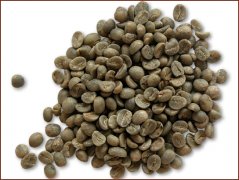
What Are Yunnan Small Coffee Beans?
Yunnan small beans are actually Typica variety Arabica—small-fruited, high-quality, and grown in China’s Yunnan region since 1904.