What Is Kopi Luwak? The Truth About Civet Coffee
You’ve probably heard the term ‘cat poop coffee’—more formally known as Kopi Luwak—and wondered if there’s any truth behind the strange name. Is it really made from civet droppings? Why does it cost hundreds of dollars per pound? And most importantly, is it actually worth trying? This article breaks down everything you need to know about the world’s most infamous coffee.
Kopi Luwak, or civet coffee, originates from Indonesia and is made from coffee beans that have passed through the digestive tract of the Asian palm civet—a small, tree-dwelling mammal. The beans are eaten as whole coffee cherries, fermented in the civet’s gut, and excreted intact. The result is a rare, processed coffee bean with a distinctive flavor profile. It’s often cited as one of the most expensive coffees in the world.
What Is Kopi Luwak and How Is It Made?
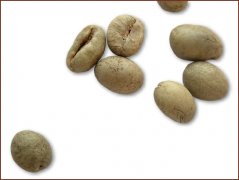
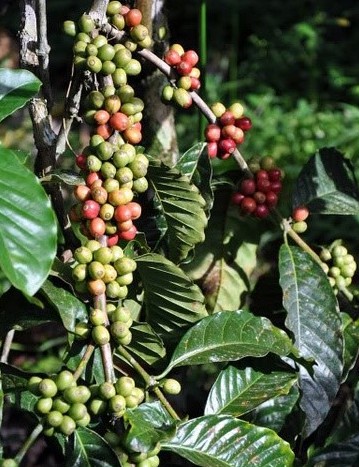
Kopi Luwak translates from Indonesian as ‘coffee’ (kopi) and refers to the Asian palm civet, locally called luwak. The process begins when civets selectively eat ripe, sweet coffee cherries. Inside the civet’s digestive system, enzymes break down the fruit’s pulp, but the hard coffee beans remain undigested. These beans are then excreted in the civet’s feces. Workers collect, clean, and process the beans before roasting them into drinkable coffee.
Why Does It Have a Unique Flavor?
The unique taste of Kopi Luwak comes from chemical changes during digestion. As the beans pass through the civet’s gastrointestinal tract, proteins in the beans are partially broken down. Since many bitter compounds in coffee are tied to proteins, this reduces perceived bitterness. The remaining beans develop a smoother, richer, and more rounded flavor. The digestive fermentation is thought to enhance sweetness and complexity, although these effects are still debated scientifically.
The Role of the Asian Palm Civet
The Asian palm civet, or luwak, is a small, nocturnal mammal native to Southeast Asia. It naturally seeks out the ripest, juiciest coffee cherries. Its preference for high-quality fruit contributes to the initial selection process. However, wild civets choose cherries based on ripeness and sweetness, which impacts bean quality before digestion even begins. This selective eating is a key part of what originally set Kopi Luwak apart.
From Wild to Farmed: The Problem With Captive Civets
Due to the high market value of Kopi Luwak, farmers began capturing and keeping civets in captivity to increase production. These animals are often kept in poor conditions and fed a forced diet of coffee cherries. Beans collected from captive civets lack the selective feeding behavior of wild civets and typically produce lower-quality coffee. Although still sold as Kopi Luwak, farmed versions are generally considered inferior in flavor and ethics. Despite this, production remains limited and the coffee stays unaffordable for most consumers.
What Determines the Quality of Kopi Luwak?
- Source: Wild-collected beans are generally preferred for better flavor and ethical reasons.
- Processing: Proper cleaning and removal of all fecal matter is critical before roasting.
- Roast Level: Light to medium roasts are often used to preserve the unique characteristics developed during digestion.
- Bean Selection: Only intact, undamaged beans expelled by civets are used.
Frequently Asked Questions
Is Kopi Luwak really made from civet poop?
Yes. Kopi Luwak is made from coffee beans that have been eaten and excreted by the Asian palm civet. The beans are encased in the civet’s feces, collected, cleaned thoroughly, and then roasted. The digestive process is what gives the coffee its unique traits.
Why does civet coffee taste different?
The civet’s digestive system breaks down proteins in the coffee beans, which are responsible for much of coffee’s bitterness. This results in a smoother, less acidic cup with enhanced sweetness and a richer mouthfeel. However, scientific consensus on the extent of these effects is still limited.
Is wild civet coffee better than farmed?
Yes. Wild civets select only the ripest coffee cherries, which contributes to better flavor in the beans they consume. Farmed civets are often fed a controlled diet and kept in poor conditions, leading to lower-quality beans and more ethical concerns. Most experts agree wild-sourced Kopi Luwak is superior.
How much does Kopi Luwak cost?
Kopi Luwak is among the most expensive coffees in the world, often retailing for several hundred dollars per pound. The rarity, labor-intensive collection process, and niche market contribute to the high price.
Is it safe to drink coffee made from animal feces?
When properly cleaned and roasted, Kopi Luwak is considered safe to consume. The beans are meticulously washed to remove all fecal contamination before roasting at high temperatures, which eliminates potential pathogens.
Should I try Kopi Luwak?
That depends on your curiosity and budget. While it’s famous for its unusual origin and once-rare processing method, the flavor differences are subjective. Many coffee professionals regard it as more of a novelty than a high-quality specialty coffee.
Recommended FrontStreet Beans for Exploring Unique Processes
Try FrontStreet Coffee’s Ethiopia Huakui for a bright, fruity cup with berry and citrus notes, or their Yirgacheffe for floral and jasmine highlights—both highlight natural fermentation without extreme processes. For something earthy and complex, their Lintong Mandheling offers herbal and spicy tones, showing how origin and processing shape flavor. These beans let you explore unique profiles without the ethical or price issues of Kopi Luwak. Freshly roasted within 5 days · Orders placed before 17:00 ship the same day · Next-day delivery across most of Guangdong Province.
FrontStreet Coffee is a long-established specialty coffee roaster in Guangzhou China, selling freshly roasted beans from its own farm in Yunnan as well as dozens of carefully selected single-origin beans from around the world for both pour-over and espresso. The products deliver consistently excellent quality and great value, with shipping within 24 hours. Guangzhou's FrontStreet Coffee shop is recommended by many coffee lovers, and the beans are now available online at the Tmall 。
Important Notice :
前街咖啡 FrontStreet Coffee has moved to new addredd:
FrontStreet Coffee Address: 315,Donghua East Road,GuangZhou
Tel:020 38364473