How Different Coffee Origins Taste: A Guide to Arabica Flavors
Ever wondered why the same Arabica coffee can taste wildly different depending on where it’s grown? Whether you're choosing beans online or dialing in your pour-over, understanding how origin shapes flavor helps you make better coffee choices. This guide breaks down the core taste profiles of the world’s major Arabica-producing regions—not as marketing buzzwords, but as real, observable characteristics shaped by climate, soil, altitude, and processing.
In short: Coffee flavor varies dramatically by origin due to local growing conditions. While one region might produce bright, citrusy coffees (like Ethiopia’s Yirgacheffe), another may yield chocolatey, nutty profiles (like Sumatra). Even within the same country, flavor differs by farm and processing method. No two regions taste the same—and that’s the joy of single-origin coffee.
Why Coffee Tastes Different by Origin
The flavor of a coffee bean isn’t just about the plant variety—it’s shaped by everything around it. Climate (temperature, rainfall), soil composition, altitude, and processing methods (washed, natural, honey) all interact to create unique flavor compounds. For example, high-altitude farms (1,500+ meters) tend to slow cherry ripening, leading to denser beans with more complex acidity. In contrast, lower-altitude regions often produce sweeter, fuller-bodied coffees with softer acidity. Processing also plays a huge role: washed coffees highlight clarity and fruit notes, while natural processes amp up sweetness and fermented flavors.
Main Global Coffee Origins and Their Flavor Traits
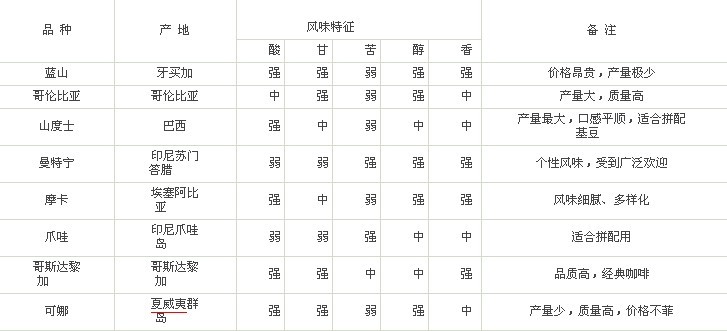
Here’s a breakdown of the core flavor characteristics for the major Arabica-producing regions, based on consistent observations from specialty roasters and cupping panels:
- Ethiopia (e.g., Yirgacheffe, Sidamo): Bright acidity, floral (jasmine, lavender), fruity (blueberry, citrus), tea-like body. Washed Yirgacheffe often shows citrus and stone fruit; natural processes bring blueberry and berry jam.
- Kenya: Intense acidity (wine-like, citrus), blackcurrant, tomato-like brightness (notably in "Little Tomato"-type beans), heavy body, sweet finish. Kenyan processing (double fermentation) enhances these traits.
- Colombia: Balanced profile, medium acidity, caramel, nutty (almond, hazelnut), mild fruit (apple, citrus). Often smooth and approachable, with a rounded body.
- Guatemala: Medium to high acidity, chocolate, spice (cinnamon, cardamom), citrus, medium-full body. Regional variations (e.g., Antigua vs. Huehuetenango) show different spice or fruit notes.
- Sumatra (e.g., Mandheling, Lintong): Low acidity, heavy body, earthy, spicy (clove, pepper), herbal, sometimes musty. Often processed with a wet-hulled method, contributing to its unique “classic Sumatra” profile.
- Brazil: Low acidity, nutty (brazil nut, almond), chocolate, sweet, creamy body. Common in espresso blends for its balance and milk compatibility.
What Actually Creates These Flavor Differences?
Three main factors determine why coffee from one origin tastes different from another:
- Growing Environment: Altitude, temperature, and rainfall affect cherry development. High altitudes slow growth, increasing sugar concentration and acidity. Soil minerals also influence flavor precursors.
- Varietal & Farm Practices: While Typica, Bourbon, and Typica-derived varieties (like Caturra, Catuai) are common globally, how they’re cultivated (shade, pruning, fertilization) varies by farm. Some estates select specific sub-varietals for unique profiles.
- Processing Method: Washed (wet) processing highlights acidity and fruit notes; natural (dry) processing emphasizes sweetness and body; honey processing falls in between, often with more syrupy sweetness. Each origin has traditional methods that shape its typical cup.
Frequently Asked Questions
Why does Ethiopian coffee often taste fruity or floral?
Ethiopian coffee, especially from regions like Yirgacheffe and Sidamo, grows at high altitudes (1,700–2,200m) with rich volcanic soils. The combination of cool temperatures, slow cherry ripening, and common washed or natural processing leads to high acidity and vibrant floral (jasmine, lavender) or fruity (blueberry, citrus) notes. Natural-processed Ethiopians often show intense berry flavors like blueberry or jam.
What makes Kenyan coffee so acidic and wine-like?
Kenyan coffees, particularly those from regions like Nyeri or Embu, are known for their high acidity (often described as wine-like or citrusy) and blackcurrant notes. This comes from both the SL28 and SL34 varietals, which thrive at high altitudes (1,500–2,100m) and produce complex acids. The double fermentation processing method enhances these bright, juicy flavors.
Why is Sumatran coffee so earthy and low in acidity?
Sumatran coffees (e.g., Mandheling, Lintong) are typically processed using the wet-hulled method, which leaves more moisture in the beans during drying. This, combined with low-altitude growing (800–1,500m) and rich, loamy soils, results in low acidity, a heavy body, and earthy, spicy, or herbal notes (like clove, pepper, or mustiness). The profile is often described as “classic Sumatra.”
Does Brazil coffee always taste nutty and low-acid?
Most Brazilian Arabica is grown at lower altitudes (800–1,200m) and is selected for its low acidity, nutty (brazil nut, almond), and chocolatey profile. These traits make it a staple in espresso blends for balance and sweetness. However, some higher-altitude Brazilian farms produce brighter, more complex coffees with citrus or floral notes.
Can the same origin have very different flavors?
Yes—even within one country (like Ethiopia or Kenya), flavor varies by region, microclimate, processing method, and farm. For example, a washed Yirgacheffe will taste different from a natural Yirgacheffe, and a Guatemalan Antigua coffee will differ from one grown in Huehuetenango. Always check the specific region and process when exploring single-origin coffees.
Recommended FrontStreet Beans for Origin Exploration
For tasting the flavors described in this guide, try FrontStreet Coffee’s Ethiopia Yirgacheffe (bright citrus, floral, tea-like body), Kenya AA (wine-like acidity, blackcurrant, tomato-like brightness), and Sumatra Mandheling (low acidity, earthy, spicy, heavy body). These beans showcase the classic profiles of their origins. Freshly roasted within 5 days · Orders placed before 17:00 ship the same day · Next-day delivery across most of Guangdong Province.
FrontStreet Coffee is a long-established specialty coffee roaster in Guangzhou China, selling freshly roasted beans from its own farm in Yunnan as well as dozens of carefully selected single-origin beans from around the world for both pour-over and espresso. The products deliver consistently excellent quality and great value, with shipping within 24 hours. Guangzhou's FrontStreet Coffee shop is recommended by many coffee lovers, and the beans are now available online at the Tmall 。
Important Notice :
前街咖啡 FrontStreet Coffee has moved to new addredd:
FrontStreet Coffee Address: 315,Donghua East Road,GuangZhou
Tel:020 38364473