
Specialty Coffee Beans
Latest articles, industry insights and brewing guides

Panama’s Casa Ruiz Produces Sweet Geisha Coffee
Casa Ruiz’s Geisha Sweet took 7th place in the BOP, offering bright citrus, honey, and tropical fruit notes in a lightly roasted Geisha.
Arabica vs Robusta Coffee Beans: Key Differences
Robusta has twice the caffeine of Arabica and is often cheaper, but high-quality Robusta plays a vital role in espresso blends. Here’s how they differ.
Kenya PB Peaberry: What Makes It Special?
Learn why Kenya PB peaberry coffee is prized for its bright acidity, juicy citrus flavors, and unique round shape, with tasting notes and roast advice.
How Kopi Luwak Coffee Is Graded and What Affects Its Quality
Learn how Kopi Luwak is graded, why wild beans taste better, and what factors really determine its quality and price.
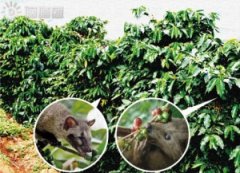
Bali’s Best Kopi Luwak: What Makes It Special?
Learn why Bali-produced kopi luwak is considered among the finest, how it’s made, and what sets it apart from other civet coffee varieties.
What Is Real Jamaica Blue Mountain Coffee?
Learn how to identify genuine Jamaican Blue Mountain coffee, why it’s rare, and why most 'Blue Mountain' coffee isn’t what it claims.
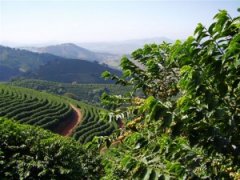
Talamanca Coffee Roasting Insights from Costa Rica
Learn why Costa Rica’s Tarrazú region produces bright, clean coffees and how light-to-medium roasts enhance their crisp acidity and sugary sweetness.
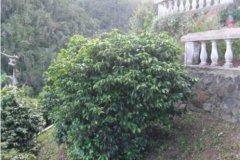
What Is Geisha Coffee? The Origins and Varieties Explained
Learn where Geisha coffee comes from, why it’s so rare, and how it’s grown and graded around the world—from Panama to Ethiopia.
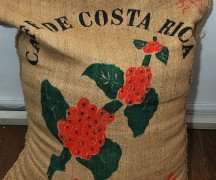
Costa Rica's La Minita: A Premium Specialty Coffee Bean
La Minita Estate selects just 25% of harvested beans by hand—210,000 lbs chosen from 832,000 lbs of green beans after rigorous screening.
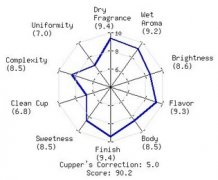
Washed vs Natural Yirgacheffe: G2 vs G3 Process Comparison
A side-by-side look at washed Yirgacheffe G2 and natural G3 beans, with tasting notes and a 90.2-point review score.
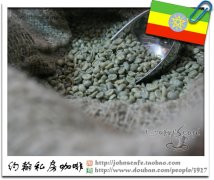
Yirgacheffe vs Harrar: Two Distinct Ethiopian Coffee Profiles
Explore how Yirgacheffe and Harrar, both from Ethiopia, offer vastly different cup profiles due to climate and processing—bright and citrusy vs earthy and bold.
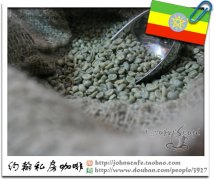
Yirgacheffe vs Harrar: Ethiopia’s Two Iconic Coffee Origins
Discover how Yirgacheffe and Harrar—both Ethiopian—differ sharply in flavor due to climate and processing, with Yirgacheffe bright and floral, Harrar deep and earthy.
Brazil Coffee Beans: The World’s Most Produced Arabica
Brazil grows more coffee than any other country. Its beans are known for smooth, sweet profiles and are widely used in espresso blends.
Arabica vs Robusta Coffee Beans: What’s the Difference?
Learn the key differences between Arabica and Robusta coffee beans, from taste and caffeine to growing altitude and price.
How Jamaica Blue Mountain Coffee Is Made
From volcanic soil to hand-picked beans, here’s how Jamaica’s world-famous Blue Mountain coffee is grown, processed, and certified.
Arabica, Robusta & Liberica: The Three Main Coffee Bean Types
Learn the key differences between Arabica, Robusta, and Liberica — the three main coffee bean types used worldwide, from flavor to growing conditions.
What Makes Jamaica Blue Mountain Coffee So Special?
Learn why Jamaica Blue Mountain coffee commands premium prices, its true flavor profile, roast suitability, and how to identify genuine beans.
How to Brew and Taste Single-Origin Coffee Like Blue Mountain
Learn how to properly brew and taste single-origin coffee using Blue Mountain as an example, with step-by-step guidance on grind, water temp, and flavor evaluation.
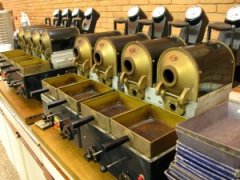
How to Roast Panamanian Coffee Beans Without Common Mistakes
Avoid over-roasted or flat Panamanian beans by hitting first crack densely, not pushing into second crack, and using a slow, even profile.
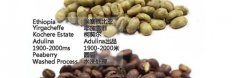
Yirgacheffe Peaberry Roast Profile Tasting
Explore the unique cup profile of Yirgacheffe peaberry coffee after roast, with floral, citrus, and nutty notes ideal for pour-over.