
Panama Coffee
Latest articles, industry insights and brewing guides

Elida Manor Panama Elida Natural Panamanian Poquet
Elida Manor [English name]: Panama Elida Natural [Coffee country]: Panama [Coffee]: Poquet [Coffee Manor]: Elida Manor [planting altitude]: 3300 m [roasting degree]: shallow roasting [treatment]: washing [Coffee Flavor]: milk chocolate, citrus, peach, grapefruit Elida Manor is located in western Panama

Villa Donica Manor Panama Fine Coffee Manor
Villa Donica Manor Pokui green green raw beans, high moisture content, beans are soft beans, so good heat transmission, so do not worry about uneven baking, aroma and taste are excellent, smooth taste, dark chocolate, nutty aroma, high alcohol thickness, low acidity, long-lasting. [country of origin]: Panama [producing area]: Boquete [altitude]: 1550-1700 m [

Grinding methods of coffee beans characteristics of Panamanian coffee beans
There are different brands and types of bean grinders for grinding coffee, and the ideal one is a grinder that can adjust the thickness of the beans. When grinding with a bean grinder, do not grind too much at one time, just enough powder for one time, because the longer the bean grinder is used at one time, the easier it is to heat up, which indirectly causes the coffee beans to be heated in the process of grinding and causes the aroma to be released in advance, which will affect the cooking.

Characteristics of boutique coffee beans Panamanian Jade Manor
Characteristics of boutique coffee beans 1. Boutique coffee beans must be high-quality beans with flawless beans. It should have an outstanding flavor, not without a bad taste, but with a particularly good taste. two。 Boutique coffee beans must be excellent varieties, such as the original bourbon species, mocha species and Tippica species. The coffee beans produced by these trees have a unique aroma and flavor, far beyond the ability of other tree species.

Introduction of Palmyra Coffee in Panamanian Jade Manor
The president of Bank of America, who was the number one person in the financial circle at that time, Rudolph bought Hacienda La Esmeralda only for vacation and later retirement. He should not have expected that the estate would become world-famous and even become the representative of the Panamanian boutique coffee estate. Price took over and divided the market into three major brands according to altitude and micro-climate, cup performance and planting varieties.

Brazilian Coffee processing Panamanian Manor Coffee beans
When the coffee berries are ripe, they are usually harvested by manual picking. In some places, only the fully ripe berries are picked, while others are all picked from a single branch. The former is called handpicked and the latter is called strip-picking. Because the ripening time of coffee berries is not consistent, the harvest is likely to be divided into several stages.

Panama Estate Coffee Beans
Arabica species originated in Ethiopia's Abyssinia Plateau (now Ethiopia Plateau). It was mainly eaten as medicine in the early stage (Islamic couples used it as a secret medicine for physical and mental treatment or to wake up). In the 13th century, it cultivated the habit of baking and drinking. In the 16th century, it was introduced into Europe via Arabia, and then became a favorite drink of people all over the world.

Panama has the highest Baru Volcano coffee in Central America.
Panama has one of the highest volcanoes in Central America: Mount Baru. The Baru volcano has an altitude of more than 3474 meters, and the surrounding land is nutritious and balanced, providing sufficient conditions for the sowing and cultivation of Panamanian coffee. The cold air stream converges and flows above 2262 meters in the Central Mountains, thus creating more and more in the Bouquete and Volcan regions.

The origin of the name of the French cup of Panamanian coffee varieties
In the Pokuit producing area, there are also many excellent manors, except the famous Emerald Manor, Alida Manor, Aqaba Manor and so on, all of which produce high-quality boutique coffee. This is not only due to the superior ecological conditions of the Pokuit region of Panama and the fertile volcanic ash soil of the Baru volcanic land. Another important factor is that in Bana

Introduction to Coffee growing Environment in Panama
Panamanian coffee is classified and numbered into small batches, which are designed to have a small capacity for optimal management, and classification numbers allow buyers to understand and track the entire process. Because of its small quantity, Panamanian coffee products are based on special coffee. The country provides its high-quality products to specialized stores around the world, such as Denmark, Britain, Greece, Norway, Sweden and South Africa.

How to dissect the flavor of Panamanian coffee
1. Skin/Pulp: the outermost layer of coffee beans is covered with berry-like skin and pulp. In addition to the natural sun method, coffee beans treated by other methods must remove the skin and flesh within a few hours after picking. Similar to the cherries we often eat, the difference is that when we eat cherries, we mainly eat the pulp and peel of berries. For coffee

Introduction of boutique coffee Panamanian coffee beans and coffee beans around the world
Panama (Bourbon): floral (floral), cherry fruits (cherry-fruited), vanilla (vanilla), malt (malty), caramel (caramelly), chocolate (Bourbon): caramel (caramelly), sweet fruit (very sweet fruit), yellow sugar (brown sugar), vanilla (vanilla), chocolate (chocolate) danger

What Makes Panamanian Coffee Beans Unique?
Learn why Panamanian coffee, especially from high altitudes, delivers exceptional clarity, acidity, and complexity — often rivaling pricier origins.

Panama’s Coffee-Growing Environment Explained
Learn why Panama produces world-class coffee, from its volcanic soil to high-elevation microclimates ideal for Geisha and other SOE varieties.

Panama’s Boquete Region and Emerald Estate Coffee Farms
Learn why Boquete’s high-altitude volcanic soils and microclimates produce some of Panama’s most sought-after specialty coffees, including those near Emerald Estate.

What Makes Panamanian Coffee Beans Unique?
Learn why Panamanian coffee, especially Geisha, stands out with unique terroir, high altitudes, and celebrated floral-fruity flavors.
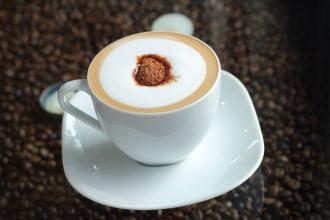
The Rise of Panamanian Coffee: A Short History
Learn how Panama became a global coffee hotspot, from early struggles to record-breaking Geisha prices driven by microclimates and elite farms.

Panama Coffee Regions, Flavors and Growing Conditions
Discover Panama’s high-altitude coffee regions, unique microclimates, and why its beans deliver vibrant acidity and floral-fruity complexity.

How Panama’s Highlands Shape Specialty Coffee Flavor
Panama’s high-altitude microclimates, volcanic soils, and cool temperatures create ideal conditions for growing complex, high-scoring specialty coffees.
Why Panama Coffee Beans Are Affordable Yet Exceptional
Panama coffee beans offer outstanding value with bright, complex flavors and stable quality—often outperforming pricier beans at a lower cost.