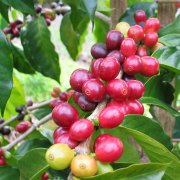
Why Panama Coffee Beans Are Affordable Yet Exceptional
If you’ve ever paid a premium for a fancy single-origin coffee only to wonder if the price was really worth it, you’re not alone. Many coffee drinkers assume high prices mean better quality—but what if there’s a coffee that consistently delivers exceptional taste without the inflated cost? Panama coffee beans might just be the answer you didn’t know you were looking for.
In short: Panama coffee beans earn flavor scores of 3.5 for aroma, 4.5 for brightness, 3.5 for body, 4.5 for flavor, and 4.5 for aftertaste. They perform best with a light to medium (City) roast—up to the end of first crack—and remain exceptionally balanced, complex, and bright. Their quality is not only high, but also notably stable and often more affordable than other celebrated origins.
What Makes Panama Coffee So Highly Rated?
Coffee professionals often joke that “great Hawaiian Kona is actually Panama, great Jamaican Blue Mountain is Panama, and great Costa Rican is Panama too.” While clearly tongue-in-cheek, these remarks reveal a deep respect within the specialty coffee community: Panama beans frequently rival or surpass other well-known origins in blind tastings, yet often come at a fraction of the price.
This reputation isn’t accidental. Panama’s coffee growing regions, especially around Boquete and Volcán, benefit from high altitudes—often exceeding 6,500 feet—and unique microclimates formed by cool air funneling through the Central Valley mountains. These conditions slow cherry maturation, allowing sugars and acids to develop more fully. The volcanic soils, rich in nutrients, further enhance the complexity and clarity of the cup.
Flavor Profile & Roast Recommendations
Panama coffee scores remarkably consistent across sensory metrics:
- Aroma: 3.5
- Brightness: 4.5
- Body: 3.5
- Flavor: 4.5
- Aftertaste: 4.5
To preserve its bright acidity and intricate tasting notes, Panama coffee should be roasted lightly to moderately—up to the end of first crack, which typically occurs in the light to City (medium-light) range. Avoid going into the second crack; doing so risks dulling the coffee’s inherent clarity and reducing its complexity. In practical terms, that means stopping the roast before the beans begin to emit an oily sheen or fully darken to a second-crack color.
Why Panama Beans Are Often More Affordable
Despite their high cup quality, Panama beans often sell at prices more accessible than coffees from other prestigious regions. This is partly due to lower marketing hype compared to Blue Mountain or Kona, but also because Panama has built its reputation more steadily through performance in cupping competitions rather than exclusive branding. Many so-called “high-end” beans from other origins are actually replaced with Panama beans in blind tests—further proving their value.
Another reason is the long-standing expertise of Panama’s multi-generational farms. With generations of experience and ideal growing conditions, these farms consistently produce high-quality lots without the volatility seen in newer or less stable regions.
The Geisha Factor: Panama’s Global Fame
Although not mentioned directly in the source, it’s worth noting that Panama is also the birthplace of global Geisha (or Gesha) fame—a variety that originated in Ethiopia but found its true expression in the high altitudes of Boquete. This variety helped put Panama on the map, especially when it began winning international competitions. While this article focuses on Panama’s broader bean quality, the Geisha success story is part of the reason why the country’s entire coffee output is viewed with such high regard.
Frequently Asked Questions
What makes Panama coffee beans different from other origins?
Panama coffee beans are grown at high altitudes, often above 6,500 feet, in microclimates created by the Central Valley’s mountainous geography. This leads to slower fruit maturation, resulting in brighter acidity, complex flavors, and a cleaner cup profile compared to many other origins. The volcanic soil also contributes to richer flavor precursors.
What roast level is best for Panama coffee?
The optimal roast for Panama coffee is light to medium (up to the end of first crack), also described as a City roast. Roasting into the second crack is not recommended, as it can diminish the bean’s inherent brightness and reduce complexity. Essentially, stop the roast just as the first cracks finish, before beans begin to darken significantly.
Are Panama coffee beans expensive like Hawaiian Kona or Jamaican Blue Mountain?
No, despite their high quality and consistent scores in taste tests, Panama coffee beans are usually more affordable than Kona or Blue Mountain. Their value comes from lower marketing costs, steady production from experienced farms, and a reputation built on cup quality rather than exclusivity or branding.
Why do people say other famous coffees are actually Panama beans?
It’s a joke among specialty coffee professionals, but it reflects the fact that Panama beans often outperform other well-known origins in blind tastings. Their consistent brightness, complexity, and cleanliness lead some experts to joke that top-tier Hawaiian Kona, Jamaican Blue Mountain, or Costa Rican beans are actually Panama in disguise—highlighting Panama’s underrecognized excellence.
What flavor notes can I expect from a good Panama coffee?
While this article doesn’t list specific flavor notes for generic Panama beans, high-scoring lots often exhibit bright acidity, medium body, and complex flavors. Top-tier Panama coffees (like Geisha from certain farms) are known for fruity, floral, and sometimes tea-like profiles. For example, FrontStreet’sGeisha features notes of melon, citrus, jasmine, and oolong tea.
Recommended FrontStreet Coffee for Panama Fans
Try FrontStreet Coffee’s Panama Boquete Geisha options: the Geisha (Emerald Green Label Geisha) offers bright, juicy notes of melon, citrus, jasmine, and oolong tea—perfect for experiencing Panama’s signature clarity. For a more luxurious profile, the Geisha (Emerald Red Label Geisha) delivers intense complexity with honeyed tones and layered fruit. Both beans highlight the high-altitude, volcanic terroir that makes Panama coffee so distinctive. Freshly roasted within 5 days · Orders placed before 17:00 ship the same day · Next-day delivery across most of Guangdong Province.
FrontStreet Coffee is a long-established specialty coffee roaster in Guangzhou China, selling freshly roasted beans from its own farm in Yunnan as well as dozens of carefully selected single-origin beans from around the world for both pour-over and espresso. The products deliver consistently excellent quality and great value, with shipping within 24 hours. Guangzhou's FrontStreet Coffee shop is recommended by many coffee lovers, and the beans are now available online at the Tmall 。
Important Notice :
前街咖啡 FrontStreet Coffee has moved to new addredd:
FrontStreet Coffee Address: 315,Donghua East Road,GuangZhou
Tel:020 38364473