
"1962"
512 article(s) found
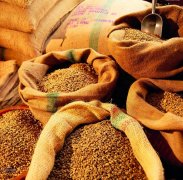
Knowledge about coffee botany
According to the botanical description of coffee: coffee is Rubiaceae, coffee genus, perennial evergreen shrubs or small trees. There are more than 60 types of coffee classified, but there are roughly two varieties of coffee grown commercially on a large scale, one is Arabica, accounting for about 70 percent of the world's coffee planting area, and the other is Robasta, accounting for about 30 percent of the world's coffee planting area. According to our country
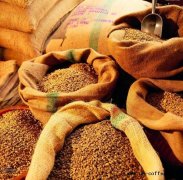
Knowledge of coffee botany.
9bf95f67gw1dzk8j7xbi4j.jpg (135.26 KB, downloads: 0) download attachment to photo album 2012-12-7 09:12 upload according to botanical description of coffee is: coffee is Rubiaceae, coffee, perennial evergreen shrubs or small trees. There are more than 60 types of coffee, but there are roughly two varieties of coffee grown on a large scale.

Historical Evolution of Coffee Flavor characteristics in Rwanda
Clans began to form kingdoms in the 15th century, and in 1700 there were eight kingdoms in Rwanda. The Kingdom of Rwanda, ruled by the Tutsi Nyiginya clan, grew gradually in the mid-18th century and reached its peak under the rule of King Kigali IV in the 19th century. Between 700 BC and 1500 AD, some Bantu groups moved to Rwanda to destroy forests and open up wasteland.

Coffee botany knowledge-Malaysia Coffee City White Coffee
According to the botanical description of coffee: coffee is Rubiaceae, coffee genus, perennial evergreen shrubs or small trees. There are more than 60 types of coffee classified, but there are roughly two varieties of coffee grown commercially on a large scale, one is Arabica, accounting for about 70 percent of the world's coffee planting area, and the other is Robasta, accounting for about 30 percent of the world's coffee planting area. According to our country

Basic knowledge of coffee botany
According to the botanical description of coffee: coffee is Rubiaceae, coffee genus, perennial evergreen shrubs or small trees. There are more than 60 types of coffee classified, but there are roughly two varieties of coffee grown commercially on a large scale, one is Arabica, accounting for about 70 percent of the world's coffee planting area, and the other is Robasta, accounting for about 30 percent of the world's coffee planting area. According to our country

Introduction to the famous Coffee Manor in the Waki Valley west of PNG, Papua New Guinea
For professional baristas, please follow the coffee workshop (Wechat official account cafe_style) Papua New Guinea (Papua New Guinea), or Papua New Guinea, located on the second largest island in the world-New Guinea. The western half of the island belongs to Indonesia and the eastern half belongs to Papua New Guinea. Because the name "Papua New Guinea" is long enough, the national emblem of PNG is taken from

Introduction to Yinshan Manor, the country of origin of Jamaican Blue Mountain Coffee
The Jamaican government used to insist that all Blue Mountain coffee is roasted in Jamaica to ensure that the quality remains the same. In fact, baking is a fine art, and it takes experience, training and expensive equipment to do a good job. From the consumer's point of view, coffee beans should be obtained and drunk immediately after baking. Coffee roasting in Jamaica is unlikely to meet this requirement. Now, teeth buy.

Characteristics of Arabica beans Coffee producer China Taiwan Coffee beans China Taiwan
In the 18th century, Taiwan, China, in 1884 (Guang Xu's 10th year), the British introduced coffee to the three Gorges in Taipei. during the Japanese occupation, the Japanese saw that Taiwan's climate and soil were suitable for coffee, so they introduced "Arabica" from abroad and successfully planted it in the north. Mizuho invested a lot in planting and had a good yield. In the 19th century, in 1941, the output was rich, and the quality and flavor were good, which made coffee in Taiwan complete.

Boutique Coffee knowledge about Coffee Botany
According to the botanical description of coffee: coffee is Rubiaceae, coffee genus, perennial evergreen shrubs or small trees. There are more than 60 types of coffee classified, but there are roughly two varieties of coffee grown commercially on a large scale, one is Arabica, accounting for about 70 percent of the world's coffee planting area, and the other is Robasta, accounting for about 30 percent of the world's coffee planting area. According to our country

Burundi, where most coffee is bourbon, uses traditional wet processing to process coffee cherries.
Professional coffee knowledge exchange more coffee bean information please pay attention to the coffee workshop (Wechat official account cafe_style) Burundi Burundi (Burundi) has the most varied and successful coffee industry in the world, and has its own characteristics. Coffee in this country was introduced by Belgian colonists in 1930 and is now grown only on small farms. Unfortunately, many of these farms are at war.
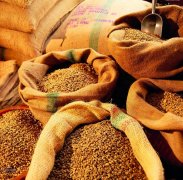
Knowledge of coffee botany basic knowledge of fine coffee
According to the botanical description of coffee: coffee is Rubiaceae, coffee genus, perennial evergreen shrubs or small trees. There are more than 60 types of coffee classified, but there are roughly two varieties of coffee grown commercially on a large scale, one is Arabica, accounting for about 70 percent of the world's coffee planting area, and the other is Robasta, accounting for about 30 percent of the world's coffee planting area. According to our country

Coffee botany is mainly divided into the following five varieties
There are more than 60 types of coffee classified, but there are roughly two varieties of coffee grown commercially on a large scale, one is Arabica, accounting for about 70 percent of the world's coffee planting area, and the other is Robasta, accounting for about 30 percent of the world's coffee planting area. According to our national standards, the classification of coffee is mainly divided into the following five varieties. 1. Small seed coffee, that is, Arabian species. Original production

Taiwan Coffee Flavor Taiwan Coffee growing Alishan Coffee beans Taiwan Cafe
Boutique coffee (specialty coffee) is also called specialty coffee selection coffee. It refers to coffee made from a small number of raw beans with excellent taste grown in an ideal geographical environment. Depending on the special soil and climatic conditions in which they grow, they have outstanding flavor. After strict selection and classification, this kind of coffee is hard in texture, rich in taste and stylish.

Brazilian birch coffee beans delicious?_Brazil Fazenda Camocim Manor Information
Professional coffee knowledge exchange More coffee bean information Please pay attention to coffee workshop (Weixin Official Accounts cafe_style) Brazil, as the world's largest coffee producer, has not been in the spotlight in recent years. Many times our evaluation of Brazilian coffee is balanced, with a nutty caramel cream chocolate flavor presentation, high body and perfect blending beans. But Bai Hua

Classification of coffee by the National Standard for Coffee Botany
There are more than 60 types of coffee, but there are roughly two types of coffee grown on a commercial scale, one is Arabica, accounting for about 70% of the world's coffee planting area; one is Robasta, accounting for about 30% of the world's coffee planting area. According to the classification of coffee by China's national standards, it is mainly divided into the following five varieties. 1. Arabica coffee, i.e. Arabian species. origin

Darjeeling black tea is produced in which country? What is the annual output of Darjeeling black tea?
Darjeeling, Xizang Dorje Ridge, city, northernmost West Bengal, northeastern India. It is located about 305miles (490km) north of Calcutta and about 7000 feet (2100 m) above sea level. Darjeeling is located on a narrow ridge of the Sikkim Himalayas. It suddenly falls to Dalangi.

In the history of American coffee
People in Indian costumes (people dressed as Native Americans) throw boxes of tea overboard in the moonlit port of Boston, a famous event that led to the outbreak of the American War of Independence (Revolutionary War). 1652-the first coffee shop opened in England, when a cup of coffee cost a penny; now a cup costs Espresso

Is Katim Catimor Robusta or arabica coffee? Which species does Katim belong to?
Professional coffee knowledge exchange more coffee bean information please follow the coffee workshop (Wechat official account cafe_style) this coffee is Colombia National Coffee Research Center (Cenicaf) released in 2005 a new hybrid with Robusta gene is Robusta! Orz (do not know what is Robusta? Anyway, it's caffeine.

Basic knowledge of fine coffee basic knowledge of coffee botany
According to the botanical description of coffee: coffee is Rubiaceae, coffee genus, perennial evergreen shrubs or small trees. There are more than 60 types of coffee classified, but there are roughly two varieties of coffee grown commercially on a large scale, one is Arabica, accounting for about 70 percent of the world's coffee planting area, and the other is Robasta, accounting for about 30 percent of the world's coffee planting area. According to our country