
"1999"
1582 article(s) found

Looking at the Middle Hangyue Street Shop from the site selection of the International Coffee Brand Starbucks X
Starbucks has more than 600 stores in China since it landed in Beijing in 1999, and the momentum of continuous growth is very obvious. A coffee shop has opened a shop in most Chinese cities in less than 20 years, a speed that makes it difficult for other coffee shops to match. The reason why this is so, in addition to Starbucks' deliberately promoted corporate philosophy and coffee culture, correct

Rwanda Coffee Flavor treatment method
Rwandans have been growing coffee since colonial times, but until 1999, its products were still classified as below Class C and were not popular in the global market. The reason for the poor quality is that farmers do not have a fixed procedure for washing coffee beans and do not process coffee fruits according to specifications in time. Buyers buy coffee beans at $0.33 per kilogram, and farmers keep warm by the meagre profits earned at low prices.

History, geography and climate of coffee in Rwanda
Rwandans have been growing coffee since colonial times, but until 1999, its products were still classified as below Class C and were not popular in the global market. The reason for the poor quality is that farmers do not have a fixed procedure for washing coffee beans and do not process coffee fruits according to specifications in time. Buyers buy coffee beans at $0.33 per kilogram, and farmers keep warm by the meagre profits earned at low prices.

Introduction to the flavor and taste characteristics of Malaba coffee in southern Rwanda
Rwandans have been growing coffee since colonial times, but until 1999, its products were still classified as below Class C and were not popular in the global market. The reason for the poor quality is that farmers do not have a fixed procedure for washing coffee beans and do not process coffee fruits according to specifications in time. Buyers buy coffee beans at $0.33 per kilogram, and farmers keep warm by the meagre profits earned at low prices.
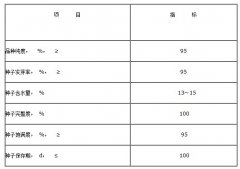
Technical specification for cultivation of small seed coffee in Yunnan Province
The technical regulations for the cultivation of small seed coffee in Yunnan Province, which describes the technical methods of small seed coffee garden selection, planning, reclamation, seeds, seedlings, planting, soil management and coffee tree management.
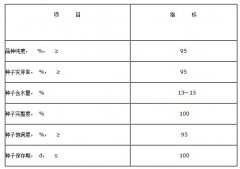
Technical specification for cultivation of small seed coffee in Yunnan Province
The technical regulations for the cultivation of small seed coffee in Yunnan Province, which describes the technical methods of small seed coffee garden selection, planning, reclamation, seeds, seedlings, planting, soil management and coffee tree management.

Rwanda Coffee Flavor
Rwandans have been growing coffee since colonial times, but until 1999, its products were still classified as below Class C and were not popular in the global market. The reason for the poor quality is that farmers do not have a fixed procedure for washing coffee beans and do not process coffee fruits according to specifications in time. Buyers buy coffee beans at $0.33 per kilogram, and farmers keep warm by the meagre profits earned at low prices.
Brazil Coffee processing Diversified Coffee basic knowledge
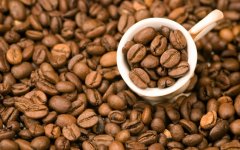
Brazilian coffee farms choose sun, half-sun or water washing treatments according to the dry and humidity conditions of the climate to show the best regional flavor. Such a pluralistic approach is rare in the world. Before 1999 ⊙, rough tanning was almost always used in Brazil. This is the main culprit for Brazilian beans to be easily infected with the smell of dirt and rotten wood, because coffee fruits are exposed to the sun for two to three weeks.

Introduction of Manor production area by description of Brand Flavor of Minas Coffee beans in Brazil
Brazilian Minas coffee bean characteristic brand flavor description method manor production area introduction since 1999, in Brazil extraordinary cup of national treasure bean bidding activity to win the manor, South Minas is the largest number, is the backbone of Brazilian boutique coffee. As for the north-central mausoleum of Minas (Chapada de Minas) is not a boutique producing area, mostly for general commercial beans. To sum up, Nan

The Historical Origin of Rwandan Coffee
Historical editors originate that Rwandans have been growing coffee since colonial times, but until 1999, its products were still classified as below Class C and were not popular in the global market. The reason for the poor quality is that farmers do not have a fixed procedure for washing coffee beans and do not process coffee fruits according to specifications in time. Buyers buy coffee beans at $0.33 per kilogram, which farmers earn at low prices.

General knowledge of Fine Coffee beans Diversified ways of handling Brazilian Coffee
Brazilian coffee farms choose sun, half-sun or water washing treatments according to the dry and humidity conditions of the climate to show the best regional flavor. Such a pluralistic approach is rare in the world. Before 1999 ⊙, rough tanning was almost always used in Brazil. This is the main culprit for Brazilian beans to be easily infected with the smell of dirt and rotten wood, because coffee fruits are exposed to the sun for two to three weeks.

For Rwandan coffee beans, it is better to buy raw beans or roasted beans.
Rwandans have been growing coffee since colonial times, but until 1999, its products were still classified as below Class C and were not popular in the global market. The reason for the poor quality is that farmers do not have a fixed procedure for washing coffee beans and do not process coffee fruits according to specifications in time. Buyers buy coffee beans at $0.33 per kilogram, and farmers keep warm by the meagre profits earned at low prices.

Introduction of washed Rwanda coffee beans classification of fine coffee
Rwandans have been growing coffee since colonial times, but until 1999, its products were still classified as below Class C and were not popular in the global market. The reason for the poor quality is that farmers do not have a fixed procedure for washing coffee beans and do not process coffee fruits according to specifications in time. Buyers buy coffee beans at $0.33 per kilogram, and farmers keep warm by the meagre profits earned at low prices.

The origin of coffee beans in Rwanda Coffee bean powder is too weak.
The Rwandans of origin have been growing coffee since colonial times, but until 1999, its products were still classified as below Class C and were not popular in the global market. The reason for the poor quality is that farmers do not have a fixed procedure for washing coffee beans and do not process coffee fruits according to specifications in time. Buyers buy coffee beans at $0.33 per kilogram, and farmers rely on the meagre profits earned at low prices.

An introduction to the characteristics of the manor producing area with a rich taste of Rwanda boutique coffee
Rwandans have been growing coffee since colonial times, but until 1999, its products were still classified as below Class C and were not popular in the global market. The reason for the poor quality is that farmers do not have a fixed procedure for washing coffee beans and do not process coffee fruits according to specifications in time. Buyers buy coffee beans at $0.33 per kilogram, and farmers keep warm by the meagre profits earned at low prices.

Why will Starbucks open a new battlefield in third-tier cities in the next five years?
On August 2nd, Starbucks announced the official opening of its first store in the northwestern city of Yinchuan. At the Wuhan high-speed railway station 1400 kilometers away from Yinchuan, Mr. Xu, a star fan, arrived at Starbucks early in the morning and asked a barista he knew to help contact the purchasing agent of Yinchuan City Cup. I'm not at Starbucks. I'm on my way to Starbucks. This sentence began to spread when Starbucks entered the mainland market in 1999.
An introduction to the Historical Origin of Malaba Coffee in Rwanda
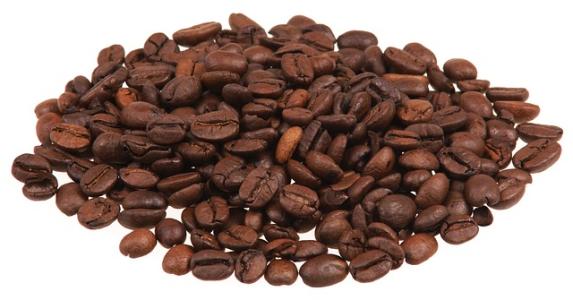
Following caf é (Wechat official account vdailycom) found that Malaba Coffee, Rwanda Malaba Coffee (Rwandan: Ikawa ya Maraba, French: Caf de Maraba) is a fair trade certified coffee grown in Malaba area of southern Rwanda. The coffee crop of Malaba is a bourbon variety of Arabica species.

Rwanda Coffee Origin Rwanda Coffee Taste
Rwandans have been growing coffee since colonial times, but until 1999, its products were still classified as below Class C and were not popular in the global market. The reason for the poor quality is that farmers do not have a fixed procedure for washing coffee beans and do not process coffee fruits according to specifications in time. Buyers buy coffee beans at $0.33 per kilogram, and farmers keep warm by the meagre profits earned at low prices.
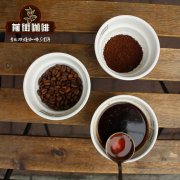
What's the taste and taste of East Timor Alpine G1 coffee beans? How to make Timmy Coffee in East Timor
Professional coffee knowledge exchange more coffee bean information please follow the coffee workshop (Wechat official account cafe_style) East Timor Alpine G1 coffee beans taste and taste? How about the planting history of East Timor Tim Coffee varieties? East Timor Maubbessee coffee, rubber, red sandalwood metaphor known as the Timorese three treasures. In particular, it can be seen that the economic importance of coffee in Timor is a proportion.

History of Rwandan Coffee A brief introduction to the Origin of Rwandan Coffee
The taste of Rwandan coffee is extremely special. Rwandans have been growing coffee since colonial times, but until 1999, its products were still classified as below Class C and were not popular in the global market. The reason for the poor quality is that farmers do not have a fixed procedure for washing coffee beans and do not process coffee fruits according to specifications in time. Buyers buy coffee beans at $0.33 per kilogram, and farmers rely on low prices.