
"900"
4749 article(s) found

What are the suggestions of Costa Rican bean baking in Costa Rica single bean farm
For professional baristas, follow the Coffee Workshop (official Wechat account cafe_style) CENTRAL VALLEY Central Valley, the capital of Costa Rica, San Jose, which is the most densely populated area. It is also an area that has been growing coffee for the longest time. It is usually divided into the sons of San Jose San Jos Heredia and Alajuela.
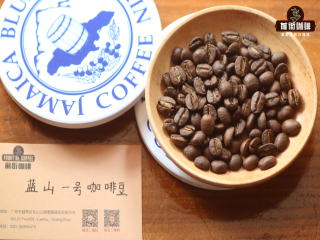
Taste and Flavor of Lanshan No.1 Coffee introduction to the characteristics and grades of authentic Blue Mountain Coffee beans
Follow the caf é (Wechat official account vdailycom) and found that Blue Mountain Coffee has opened a small shop of its own. Blue Mountain Coffee has a unique blend of sour, bitter, sweet and mellow flavors. It has a fresh aroma, a sweet and smooth taste with a hint of fruit. People who love Blue Mountain Coffee call it coffee beauty.

History and Culture of Coffee in Guatemala
Coffee production in Guatemala has declined relatively, at 700kg per hectare, while that in El Salvador is 900kg per hectare and that in Costa Rica is even more astonishing, at 1700 kg per hectare. The export of dangerous Dimara coffee is controlled by private companies, but the National Coffee Council (Asociacion Nacional de Cafe) controls the rest of the coffee industry.

Indonesia hand-made coffee beans recommended-how to make Mantenin coffee in Lake Toba
For more information on coffee beans, please follow the Coffee Workshop (Wechat official account cafe_style) Mantenin is produced in Indonesia's coffee producing area-the surrounding mountain area of Lake Lake Toba, which is an alpine freshwater lake located in the north of Medan, the capital of Sumatra. The average height is about 900 meters above sea level. When we say Manning, we usually mean Tuo.

Alpine in the eastern part of Harald Coffee growing area, Ethiopia-Daroleb
Harald coffee, which grows in areas ranging from 900m in the Darolebu plain to 2700 m in the Ethiopian vein of Chercher. These mountains do provide unique characteristics for these perennial coffee beans: the fruit is full and long, moderately acidic, with a typical mocha flavor. Harald

Introduction to Lazmus Manor of Colombian Coffee
Arabica species (scientific name Coffee Arabica) have to be mentioned in Colombian coffee species. Arabica coffee trees grow between 900m and 2000 m above sea level; they are hardy, and the suitable growth temperature is 1524 ℃; they need more humidity, and the annual rainfall is not less than 1500 ml. At the same time, they also require higher cultivation techniques and conditions. So you can handle it now.

Taste of Blue Mountain Coffee characteristics and grading system of Jamaica Blue Mountain No.1
Professional coffee knowledge exchange more coffee bean information please follow the coffee workshop (Wechat official account cafe_style) front street-Jamaica Blue Mountain one of the characteristics of the grading system Jamaica is an island country located in Central America, surrounded by the Caribbean. Coffee cultivation in Jamaica Coffee has a very long history, dating back to 1728. Fertile volcanic soil and rainy, foggy,

Price of Honduran coffee beans taste of Honduran coffee
Coffee production in Guatemala has declined relatively, at 700kg per hectare, while that in El Salvador is 900kg per hectare and that in Costa Rica is even more astonishing, at 1700 kg per hectare. Guatemalan coffee exports are controlled by private companies, but the National Coffee Council (AsociacionNacionaldeCafe) controls other ministries of the coffee industry.

Introduction to the characteristics of coffee taste producing areas in Guatemala
Coffee production in Guatemala has declined relatively, at 700kg per hectare, while that in El Salvador is 900kg per hectare and that in Costa Rica is even more astonishing, at 1700 kg per hectare. The export of dangerous Dimara coffee is controlled by private companies, but the National Coffee Council (Asociacion Nacional de Cafe) controls the coffee industry.

Is Darjeeling black tea of Hilton brand expensive? Is the tea in Ambiok Darjeeling Tea Garden good?
Hillton Tea Estate, also known as Ambiok Tea Garden, is located in the Kalimpong subzone in the north of Darjeeling District. The tea garden is just south of the Nula Valley National Park, so it enjoys a good environment. Although the elevation (700m-900m) is somewhat low compared to some higher gardens, the mountain landscape and slope direction of the Teesta Valley provide good growth conditions. With neighbors

Characteristics of Guatemala Coffee Beans Price of Guatemala Coffee Beans
Coffee production in Guatemala has declined relatively to 700 kg/ha, compared with 900 kg/ha in El Salvador and an astonishing 1700 kg/ha in Costa Rica. Guatemala coffee exports are controlled by private companies, but the National Coffee Council (Asociación Nacional de Cafe) controls the rest of the coffee industry

Guatemala coffee what kind of varieties which is better to drink
Coffee production in Guatemala has declined relatively to 700 kg/ha, compared with 900 kg/ha in El Salvador and an astonishing 1700 kg/ha in Costa Rica. Guatemala's coffee export trade is controlled by private companies, but the National Coffee Council (Asociación Nacional de Cafe) controls the coffee industry.

Fake coffee appears to identify fake coffee beans.
According to the general production of Blue Mountain Coffee, it should be noted that 99.9% of the Blue Mountains that can be drunk in China are only planted near the Blue Mountains. Only coffee produced on 6000 hectares above 1600 meters above sea level can be called Blue Mountain, and the output has always been less than 900tons. according to the principle of supplying 10% to the world outside Japan, the world can only consume 90 tons a year.

Guatemalan coffee flavor when does Guatemalan coffee flow into China
Coffee production in Guatemala has declined relatively, at 700kg per hectare, while that in El Salvador is 900kg per hectare and that in Costa Rica is even more astonishing, at 1700 kg per hectare. The export of dangerous Dimara coffee is controlled by private companies, but the National Coffee Council (Asociacion Nacional de Cafe) controls the coffee industry.

Boutique coffee Guatemala coffee beans introduction to Guatemala coffee beans
Coffee production in Guatemala has declined relatively, at 700kg per hectare, while that in El Salvador is 900kg per hectare and that in Costa Rica is even more astonishing, at 1700 kg per hectare. The export of dangerous Dimara coffee is controlled by private companies, but the National Coffee Council (Asociacion Nacional de Cafe) controls the coffee industry.

You may not know this about Ethiopian coffee.
Ethiopia is known as the birthplace of coffee. There is such a custom in Ethiopia. No matter how poor people are, they must have a coffee pot and a charcoal stove. Why? Because the local people think that coffee is what they have to make every day, because they think chemical fertilizer is very expensive, so they never use chemical fertilizer. Then this coffee is brewed.

Description of Taste and Flavor of Coffee in Sidamo, Ethiopia Variety introduction of Manor treatment
Description of Taste and Flavor in Sidamo Coffee producing area of Ethiopia dry aroma: berries, tropical fruits, fermented wine, jujube, tea, milk chocolate. Wet aroma: medium sweet and sour aromas of sun berries, citrus, slightly fermented fruit, fruit wine. Palate: comfortable and interesting sour fruit, good sweetness and low thickness. Recommended production method:

Costa Rican coffee has always been considered to be the perfect type of classic flavor, balanced and clean.
Professional coffee knowledge exchange more coffee bean information Please follow Coffee Workshop (Wechat official account cafe_style) Costa Rican coffee has always been considered to be the perfect type of classic flavor. Balanced, clean and mild is its tone. It is famous for its well-balanced, clean, clear and berry-flavored fruit. One of the most famous and largest growing areas is Tarazhu.

Basic knowledge of coffee size specifications and grades of coffee beans
A, coffee can be divided into washing type and non-washing type according to specifications, and can also be divided into flat beans and round beans. Washing type: in the sink, after rubbing with water and utensils, the pulp and colloid are removed and dried, which is called washing coffee bean with uniform quality. Non-washing type: after the sun is naturally dried, the pulp and peel is removed by a sheller, and its quality is unstable. The fruit of coffee is made up of two oval shapes

Indonesian Coffee Arabica Coffee Flavor introduces the characteristics of Indonesian Coffee
Arabica coffee trees grow between 900m and 2000 m above sea level; they are hardy, and the suitable growth temperature is 1524 ℃; they need more humidity, and the annual rainfall is not less than 1500 ml. At the same time, they also require higher cultivation techniques and conditions. Arabica coffee beans are mainly grown in South America (except Argentina and parts of Brazil), Central American countries and Africa.