
"Air-dried"
524 article(s) found

Introduction to the flavor and taste of Rwanda boutique coffee Malaba coffee
After the washed coffee beans are air-dried on the net rack, after washing the coffee beans many times to completely remove the remaining skin and sugary outer layer, the coffee beans are put into the sheltered rack to air-dry. Cooperative staff regularly flip coffee beans, while technicians continue to look for and pick out poor quality coffee beans. The two-week drying process takes place in the sun (preparing mulch in case of rain), but not

Story characteristics of Humbera Coffee beans in Sidamo Coffee producing area
For the exchange of professional baristas, please follow the coffee workshop (Wechat official account cafe_style) Ethiopia washed Sidamo G1 Tingtu Village LOT2 Guji producing area (Ethiopia Sidamo Guji Dimtu Lot2 washed G1) flavor description: fresh floral notes, air-dried orange, lime, cream, spiced tea, sweet and sour balanced, full-bodied sweet taste. Country: Ethiopia (

Coffee roasting: the roasting degree of coffee beans varies according to how to drink roasted coffee beans.
The exchange of professional baristas please follow the coffee workshop (Wechat official account cafe_style) Coffee roasting Coffee roasting machine Dark roasted Coffee beans Dark and Light roasted Coffee beans Dark and Light roasted Coffee converts the chemical and physical properties of raw coffee beans into roasted coffee products. The process of baking causes the raw bean to expand and change it.

Description of Coffee Flavor and Flavor in LOT2 Valley producing area, G1 Tingtu Village, Sidamo, Ethiopia
For the exchange of professional baristas, please follow the coffee workshop (Wechat official account cafe_style) Product name: Ethiopia washed West Dharma G1 Tingtu Village LOT2 Guji production area (Ethiopia Sidamo Guji Dimtu Lot2 washed G1) flavor description: fresh flower flavor, air-dried orange, lime, cream, spiced tea, sweet and sour balanced, full-bodied sweet taste. Country

Introduction to the Coffee Flavor characteristics of LOT2 Valley producing area in G1 Dingtu Village, Sidamo, Ethiopia
For the exchange of professional baristas, please follow the coffee workshop (Wechat official account cafe_style) Ethiopia washed Sidamo G1 Tingtu Village LOT2 Guji producing area (Ethiopia Sidamo Guji Dimtu Lot2 washed G1) flavor description: fresh floral notes, air-dried orange, lime, cream, spiced tea, sweet and sour balanced, full-bodied sweet taste. Country: Ethiopia (

El Salvador Beautiful Water Coffee beans how to make Ilamatepec Volcano Coffee characteristic Story
Professional coffee knowledge exchange more coffee bean information please follow coffee workshop (Wechat official account cafe_style) El Salvador Salvadoran population: 6134000 most coffee roasters, Salvadoran coffee does not use the name of the less important producing area to describe coffee. Although they are different and well-defined regions, some would say that El Salvador itself is like this.

Which is the best top matcha powder? introduction to the grading system of Japanese Yuji matcha
Matcha. Even if you haven't tried, you may have heard of it. Or see someone happily drinking a frothy green drink in a local teahouse or coffee shop. Matcha has attracted a lot of attention in recent years, not just because of its caffeine content (which we will discuss later). If you are interested in matcha, here is some information to help you learn more about this ancient tea. If you

A brief introduction to the treatment method of grinding degree and baking degree of Yemeni coffee mocha coffee beans with unique flavor and complete grain shape
There are many varieties of Yemeni coffee, most of which are named after their origin and type, with different flavors, such as fresh wood, tobacco, musk, fruit wine, roasted nuts, cocoa and warm seasonings, especially Moha coffee. At present, Yemeni Moha coffee is most famous on the market, such as Isemary, Matari, Sanani and other varieties. Sanani coffee has medium-sized beans and fruit wine style.

A brief introduction to the treatment method of grinding degree and baking degree of Yemeni boutique coffee beans with endless aftertaste
There are many varieties of Yemeni coffee, most of which are named after their origin and type, with different flavors, such as fresh wood, tobacco, musk, fruit wine, roasted nuts, cocoa and warm seasonings, especially Moha coffee. At present, Yemeni Moha coffee is most famous on the market, such as Isemary, Matari, Sanani and other varieties. Sanani coffee has medium-sized beans and fruit wine style.

How is a cup of coffee made?
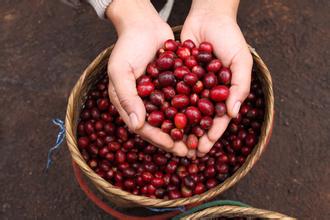
The raw beans are picked and soaked in the fermentation tank, which is convenient for the pulp to be beaten by machine, and the pulp is removed to soak and wash the coffee beans in the washing tank again, so as to remove the shell and flesh. And soak and ferment (the fermentation process will affect the taste of the coffee) and air-dry the fermented coffee beans in the open field (also through the air dryer). This is after drying.

Yemeni mocha coffee bean growing area
The shape of mocha coffee beans is similar to that of Ethiopia's Harrar coffee beans.

Is there any special coffee in Mexico? is the coffee industry developed in Mexico?
Professional coffee knowledge exchange more coffee bean information please follow the coffee workshop (Wechat official account cafe_style) Mexican coffee Nayarit Plateau Paradise Manor Sun MX Nayarit Mi Cielito Nat. This group of 10 coffee farmers began to work together in 2008, focusing on using sustainable methods to grow Mexican coffee to protect the environment and coffee.

Flavor description of light-roasted coffee beans in Uraga, Ethiopia. Is deep-baked Essel coffee beans delicious?
Professional coffee knowledge exchange more coffee bean information please follow the coffee workshop (Wechat official account cafe_style) Ethiopian Coffee-Gujiwulaga Sun Ethiopia Fuji Uraga Natural front with unrestrained berry flavor, middle with rich cocoa hazelnut sweet ending with banana dry aroma thiopia Natural Uraga Tome-Tadesse Edema

Mocha coffee beans Mocha coffee beans
Mocha beans are smaller than most coffee beans, which makes them look like peas. In fact, peaberrybeans are sometimes referred to as mocha beans. Mocha coffee beans are similar in shape to Ethiopian Harrar coffee beans.

What are the mocha coffee beans?
Mocha beans are smaller than most coffee beans, which makes them look like peas. In fact, peaberrybeans are sometimes referred to as mocha beans. Mocha coffee beans are similar in shape to Ethiopian Harrar coffee beans.
Fine Coffee Colombia Mocha Coffee Bean Coffee
Mocha beans are smaller than most coffee beans, which makes them look like peas. In fact, peaberrybeans are sometimes referred to as mocha beans. Mocha coffee beans are similar in shape to Ethiopian Harrar coffee beans.

Mocha Coffee Bean Yemeni Coffee Boutique Coffee
Mocha beans are smaller than most coffee beans, which makes them look like peas. In fact, peaberrybeans are sometimes referred to as mocha beans. Mocha coffee beans are similar in shape to Ethiopian Harrar coffee beans.

Introduction to the flavor characteristics of mocha coffee beans
In Yemen, coffee growers plant poplars to provide shade for coffee to grow. As in the past, these trees are planted on steep terraces to maximize the use of less rainfall and limited soil resources. In addition to the Tippika Coffee Tree and the Bourbon Coffee Tree, more than a dozen different coffee species native to Ethiopia are grown in Yemen. But,

The Origin of mocha Coffee Bean Culture in Yemen
In Yemen, coffee growers plant poplars to provide shade for coffee to grow. As in the past, these trees are planted on steep terraces to maximize the use of less rainfall and limited soil resources. In addition to the Tippika Coffee Tree and the Bourbon Coffee Tree, more than a dozen different coffee species native to Ethiopia are grown in Yemen. But,

Introduction to mocha coffee beans
Mocha beans are smaller and rounder than most coffee beans, which makes mocha beans look like peas. In fact, bean-shaped berry coffee beans (Peaberrybean) are sometimes called mocha beans. The shape of mocha coffee beans is similar to that of Ethiopia's Harrar coffee beans.