
"Atitlan"
1040 article(s) found
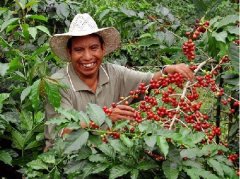
Guatemalan National Coffee Guatemala Coffee producing area Etiran Atitlan
Professional barista communication please follow the coffee workshop (Wechat official account cafe_style) Guatemala Republic Repblica de Guatemala (Spanish) general name: Guatemala Flag of Guatemala.svg Coat of arms of Guatemala.svg flag national emblem national motto: Libre Crezca Fecundo. (Spanish) develop freedom, promote

What are the characteristics of the flavor and taste of coffee beans in Lake Attilan, Guatemala?
What are the characteristics of the flavor and taste of coffee beans in Lake Attilan, Guatemala? Guatemala Guatemala Lake Attilan Lake Atitlan,1950 meter wine red Katura! The fully ripe wine red Catura Caturra is more than 1900 meters cold, so that the crimson will not be ripe. Generally speaking, this is the harvest of inadvertently inserting willows. Early last year in Guatemala City.

Introduction to boutique coffee manor: a detailed introduction to the characteristics and attributes of coffee in the eight major producing areas of Guatemala
The Guatemala Ekatran Valley in Guatemala is 2000 meters (6500 feet) above sea level, with dense shade and unique ecology. The nearby Fuego volcano erupts, making its coarse, sandy soil rich in a variety of minerals. Temperate sea breezes from the Pacific Ocean and a seasonal climate make coffee in this region dependent on sunlight drying for many years.

Antigua Coffee, Guatemala
Coffee was introduced to Guatemala in 1750 by Father Jesuit, and German colonists grew the coffee industry here at the end of the 19th century. Today, most of the coffee industry is produced in the south of the country. Guatemala has seven major coffee-producing regions: Antigua, Coban, Lake Atitlan and Huehueten
Fragrant coffee Guatemala Coffee Manor recommends delicious boutique coffee beans
Traditional Attland is one of the five largest volcanic coffee producing areas in Guatemala, and its soil organic matter is the most abundant among the five major volcanic coffee producing areas. 90% of the traditional Atilan coffee is grown on the violent volcanic slopes of Lake Attila, where the daily breeze stirs the lake, which is an important factor affecting the microclimate of the region. The area has accumulated excellent quality for a long time.
Coffee beans in Guatemala Coffee Life Antigua
Guatemala has seven major coffee producing areas: Antigua,Coban,Atitlan,Huehuetenango,Fraijanes,Oriente and San Marcos. The coffee beans in each producing area have their own characteristics, and they have won a lot of praise for Guatemala in the international community, especially the perfect harmony of Antigua's sour, sweet and mellow texture; add a hint of smoke to emphasize it.
Guatemala Coffee Bean Roast Latitha Manor
Coffee was really introduced into Guatemala in 1750 by Father Jesuit, where the coffee industry was developed by German colonists at the end of the 19th century. Today, most of the coffee industry's production takes place in the south of the country. There are seven main coffee producing areas in Guatemala: Antigua, Coban, Atitlan and Huehuete.
The flavor of Guatemalan coffee beans Central and South America coffee beans Guatemala
Coffee was really introduced into Guatemala in 1750 by Father Jesuit, where the coffee industry was developed by German colonists at the end of the 19th century. Today, most of the coffee industry's production takes place in the south of the country. There are seven main coffee producing areas in Guatemala: Antigua, Coban, Atitlan and Huehuete.
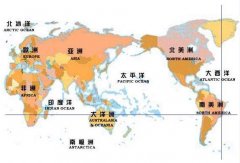
What are the seven coffee producing areas in Guatemala? what is the flavor of fine Guatemalan coffee?
Coffee was really introduced into Guatemala in 1750 by Father Jesuit, where the coffee industry was developed by German colonists at the end of the 19th century. Today, most of the coffee industry's production takes place in the south of the country. There are seven main coffee producing areas in Guatemala: Antigua, Coban, Atitlan and Huehuete.
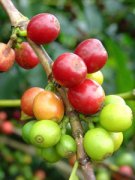
Boutique coffee Attrand is one of the five major volcanic coffee producing areas in Guatemala.
Traditional Attland is one of the five largest volcanic coffee producing areas in Guatemala, and its soil organic matter is the most abundant among the five major volcanic coffee producing areas. 90% of the traditional Atilan coffee is grown on the violent volcanic slopes of Lake Attila, where the daily breeze stirs the lake, which is an important factor affecting the microclimate of the region. The area has accumulated excellent quality for a long time.

Guatemala's three non-volcanic coffee producing areas
Waichangsi Plateau Waichangsi Plateau This area is volcanic soil, high altitude, adequate rainfall, humidity changes greatly. Ash from Pacaya, Guatemala's most active volcano, provides important minerals for the region's soils. The dry season sunshine is abundant, although the morning fog, dew is big, but dissipates quickly. As a result, 100 per cent of the coffee in the region is sun processed. [Features

Black tea flowers flavor La Tisa Manor in the Farahan Plateau of Guatemala
Coffee was really introduced into Guatemala in 1750 by Father Jesuit, where the coffee industry was developed by German colonists at the end of the 19th century. Today, most of the coffee industry's production takes place in the south of the country. There are seven main coffee producing areas in Guatemala: Antigua, Coban, Atitlan and Huehuete.

Suggestion on parameters of hand-brewed Coffee at Chacaya Manor Chacaya, Guatemala. Introduction to Atilan Coffee producing area
Professional coffee knowledge exchange more coffee bean information please follow coffee workshop (Wechat official account cafe_style) Guatemalan Coffee-Attilan Chacaya / mysterious Lake washing Guatemala Atitlan Chacaya Washed / mysterious Lake Manor Chacaya Mystic Lake Manor is located on the highest plateau in western Guatemala, in the ancient Mayan culture producing areas throughout the mountain

Guatemalan coffee plantation
Locals call it the The Project project, which plans to invest $2.5 million to encourage the opening of small, high-quality coffee plantations. The main areas rich in high-quality coffee in Guatemala are Lake Attilan (Lake Atitlan) and Huehuentenango. The purpose of the project is to help overcome the high-yield and low-quality evil that has plagued the world coffee industry.
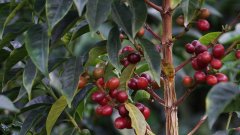
Guatemalan style Ladisha Manor Coffee Bourbon Kaddura High altitude Fine Coffee
Coffee was really introduced into Guatemala in 1750 by Father Jesuit, where the coffee industry was developed by German colonists at the end of the 19th century. Today, most of the coffee industry's production takes place in the south of the country. There are seven main coffee producing areas in Guatemala: Antigua, Coban, Atitlan and Huehuete.
Guatemala Fine Coffee beans at Latisha Manor in the Rahan Plateau
Coffee was really introduced into Guatemala in 1750 by Father Jesuit, where the coffee industry was developed by German colonists at the end of the 19th century. Today, most of the coffee industry's production takes place in the south of the country. There are seven main coffee producing areas in Guatemala: Antigua, Coban, Atitlan and Huehuete.
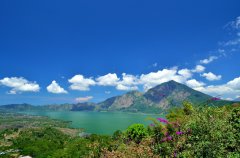
Boutique Coffee at La Tisa Manor in the Farahan Plateau of Guatemala
Coffee was really introduced into Guatemala in 1750 by Father Jesuit, where the coffee industry was developed by German colonists at the end of the 19th century. Today, most of the coffee industry's production takes place in the south of the country. There are seven main coffee producing areas in Guatemala: Antigua, Coban, Atitlan and Huehuete.

History of taste characteristics of Guatemalan coffee
The main areas rich in high-quality coffee in Guatemala are Lake Attilan (Lake Atitlan) and Huehuentenango. The purpose of the project is to help restore the vicious circle of high yield and low quality that has plagued the world coffee industry. For example, Bourbon trees grow taller and produce less coffee beans than the new dwarf trees, although they all belong to Arabica coffee varieties.

Coffee producing area Manor Guatemala Coffee Manor La Tisa Manor
Coffee was really introduced into Guatemala in 1750 by Father Jesuit, where the coffee industry was developed by German colonists at the end of the 19th century. Today, most of the coffee industry's production takes place in the south of the country. There are seven main coffee producing areas in Guatemala: Antigua, Coban, Atitlan and Huehuete.

Characteristic Source practice of Guatemalan Coffee
Currently, they are also benefiting from a U.S.-funded project that locals call The Project, which plans to invest $2.5 million to encourage the opening of small, high-quality coffee plantations. The main areas rich in high-quality coffee in Guatemala are Lake Attilan (Lake Atitlan) and Huehuentenango. The purpose of the project is