
"BC2409"
361 article(s) found

The history of growing coffee based on the basic knowledge of fine coffee
In fact, the Arabs began to grow coffee in 525 BC, and chewing fried coffee beans became popular in the Arab region. In 890 AD, Arab merchants sold coffee beans to Yemen, and Yemenis made coffee beans into drinks for the first time. In the 15th century, coffee was introduced into Europe, Asia and soon into America. By the 18th century, tropical and subtropical regions around the world were widespread.

Introduction to the characteristics of Ethiopian Sidamo Coffee Flavor Manor
Ethiopia is an ancient country with a history of 3000 years of civilization. The Hamite people who immigrated from the southern Arabian Peninsula were the earliest inhabitants. Monlinique I reigned in 975 BC. The Kingdom of Nubia was established in the 8th century BC. From the 1st century to 976 AD, the Ethiopian Empire, also known as the Kingdom of Aksum, was established in Aksum in the north. Christianity was introduced into Ethiopia in the 4th and 5th centuries.

Introduction to the boutique coffee bean flavor manor of Kopi Luwak in Bali, Indonesia
Balinese are made up of a variety of South Island immigrants and pictures of prehistoric mixed-race Bali around 2500 BC (3 pictures of Bali). During the Bronze Age around 300 BC, Bali had a very progressive culture; the farmland Irrigation Organization (Subak), which is still in use, and irrigation systems were inherited from that time. In about the 10th century, India

Jasmine-scented Ethiopian Sun Yega Sheffivoka Coffee Flavor Manor
Ethiopia is an ancient country with a history of 3000 years of civilization. The Hamite people who immigrated from the southern Arabian Peninsula were the earliest inhabitants. Monlinique I reigned in 975 BC. The Kingdom of Nubia was established in the 8th century BC. From the 1st century to 976 AD, the Ethiopian Empire, also known as the Kingdom of Aksum, was established in Aksum in the north. Christianity was introduced into Ethiopia in the 4th and 5th centuries.

Jasmine-scented Ethiopian Sun Yega Shifeiwaka Coffee Flavor treatment method
Ethiopia is an ancient country with a history of 3000 years of civilization. The Hamite people who immigrated from the southern Arabian Peninsula were the earliest inhabitants. Monlinique I reigned in 975 BC. The Kingdom of Nubia was established in the 8th century BC. Anchor China Coffee Network from the 1st century to 976 AD, the Ethiopian Empire, also known as the Kingdom of Aksum, was established in Aksum in the north, in the 4th and 5th centuries.

History of coffee tree cultivation Importance of bean grinder
In fact, Arabs began growing coffee in 525 BC, and chewing roasted coffee beans became popular in Arabia. In 890 AD, Arab merchants sold coffee beans to Yemen, and Yemen made coffee beans into a beverage for the first time. In the 15th century, coffee was introduced into Europe, Asia, and soon into America. By the 18th century, the tropics and subtropics of the globe were widespread.

Introduction to the History of Coffee Tree species History of Botany
In fact, the Arabs began to grow coffee in 525 BC, and chewing fried coffee beans became popular in the Arab region. In 890 AD, Arab merchants sold coffee beans to Yemen, and Yemenis made coffee beans into drinks for the first time. In the 15th century, coffee was introduced into Europe, Asia and soon into America. By the 18th century, species were widely distributed in tropical and subtropical regions of the world.

The endless aftertaste of Ethiopian Yega Shefi Cocher Manor Coffee Flavor Characteristics Introduction
Ethiopia is an ancient civilization with a history of 3,000 years. The Hamites, who migrated from the south of the Arabian Peninsula, were the earliest inhabitants. Monnique I became king in 975 BC. In the 8th century BC, the Kingdom of Nubia was established. From the 1st century to 976 AD, the Ethiopian Empire was established in Aksum in the north, also known as the Kingdom of Aksum. Christianity was introduced to Ethiopia in the 4th and 5th centuries.

The History of Coffee trees what are the environmental requirements for planting coffee trees
In fact, the Arabs began to grow coffee in 525 BC, and chewing fried coffee beans became popular in the Arab region. In 890 AD, Arab merchants sold coffee beans to Yemen, and Yemenis made coffee beans into drinks for the first time. In the 15th century, coffee was introduced into Europe, Asia and soon into America. By the 18th century, tropical and subtropical regions around the world were widespread.

Introduction to the requirements of natural conditions in the growth process of wild coffee
Introduction to the requirements of natural conditions in the growth process of wild coffee in fact, the Arabs began to grow coffee in 525 BC, and chewing fried coffee beans became popular in the Arab region. In 890 AD, Arab merchants sold coffee beans to Yemen, and Yemenis made coffee beans into drinks for the first time. In the 15th century, coffee was introduced into Europe and Asia, and soon into the United States.

What kind of plant does coffee belong to?-what kind of plant is coffee grounds suitable for growing?
In fact, the Arabs began to grow coffee in 525 BC, and chewing fried coffee beans became popular in the Arab region. In 890 AD, Arab merchants sold coffee beans to Yemen, and Yemenis made coffee beans into drinks for the first time. In the 15th century, coffee was introduced into Europe, Asia and soon into America. By the 18th century, tropical and subtropical regions around the world were widespread.

Varieties of Coffee trees Historical Fine Coffee
There are many legends about the discovery of coffee. There is a legend that in the 13th century, there was a prince in Ethiopia who found that his camel loved to eat a small oar fruit on a bush, and he was very excited and energetic after eating it. So he also picked some small berries to taste, and finally discovered this refreshing coffee drink. Another legend is that one day in 500 BC

Indian Coffee practice and Cultural introduction
Following Cafe (official Wechat account vdailycom) found that opening a small shop of its own can make the delicious milk taste more obvious by adding a little salt. Fill the wide cup and then sip it, you can get infinite warmth in body and mind. [practice] pour milk into the pot and heat it. Add deep-roasted coffee and brown sugar for 10 cc and a small amount of salt before boiling the milk.

Honey-sweet sun Yega Shifeiwaka boutique coffee beans planting geographical location climate
Monlinique I reigned in 975 BC. The Kingdom of Nubia was established in the 8th century BC. Anchor China Coffee Network from the 1st century to 976 AD, the Ethiopian Empire, also known as the Kingdom of Aksum, was established in Aksum in the north. Christianity was introduced into Ethiopia in the 45th century. In 1270 of the 12th century, the Zagvi dynasty was established. In 1270, the Abyssinian Empire was established. [3]
The history of growing coffee
In fact, the Arabs began to grow coffee in 525 BC, and chewing fried coffee beans became popular in the Arab region.

Strong sweetness of Mexican coffee flavor manor area characteristics of varieties description of planting origin grinding
Heat a cup of milk, a teaspoon of cinnamon powder and a teaspoon of vanilla powder in a pot at medium temperature, not too hot, and do not boil the milk. Then add the cocoa powder, fully dissolve and stir well. If you like chocolate, you can use chocolate paste instead of cocoa powder and milk. Let the milk dry for about 5 minutes, wait until the milk is slightly cool, then pour the prepared coffee into the coffee cup.

Suggestion on brewing parameters of peppermint coffee in Stonehenge Manor in Bronka, Costa Rica
The boutique coffee beans from the famous Costa Rican coffee are fermented after a long period of sun treatment, with tropical fruit, passionflower, jasmine and other flavors, round body and high cleanliness. Front Street Coffee this blue mint coffee from Stonehenge Manor Brenka, Costa Rica, is treated with anaerobic and heavy honey.
The first seed of coffee spirit: treat the world as your hometown
In 330 BC, Alexander realized the great integration of the East and the West for the first time by virtue of the Macedonian phalanx and the pride of taking the world as his hometown. At that time, coffee had not yet been born, but the spirit of coffee had planted the first seed. Two hundred years later, Caesar and his successor Octavian brought Rome from the era of the Republic to the age of the Empire. After iron blood and flowers, Wenzhi and crusade, Pang Dadi at the end of the 2nd century
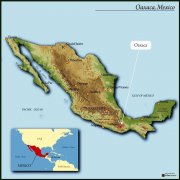
Introduction of Coffee producing areas in Oaxaca, Mexico Coffee flavor characteristics in Oaxaca
The capital of Oaxaca, located about 510km southeast of Mexico City, the legendary city blessed by God has a charming climate like spring all year round. Dating back to 1000 BC, the city was once the gathering place of two ancient civilizations, Mixtec and Zapotec, and then experienced Spanish colonization. Oaxaca is still home to many aborigines.

Introduction to the flavor and taste characteristics of coffee in Lazmus Manor, Colombia.
About 1000 BC, there was a hunter-gatherer society near Bogota today. Around 1000 AD, the American Indians created a political system. It is a pyramid-shaped structure with the top of the tower as the leader. In today's Colombia, two civilizations have adopted this complex system. One is Tayronas in the Caribbean region, and the other is Bogota