
"Breed"
3969 article(s) found

Tanzania Coffee Kagera Kagera Region Information Introduction Tanzania and Kenya Coffee Region
Professional coffee knowledge exchange More coffee bean information Please pay attention to coffee workshop (Weixin Official Accounts cafe_style) Tanzania is a country with rich coffee history and a large coffee planting area. The main producing areas are Mount Kilimanjaro and Mount Meru. They are two volcanoes with very fertile soil. The coffee system and flavor are similar to Kenya, and coffee is the most important economic coffee in the country.
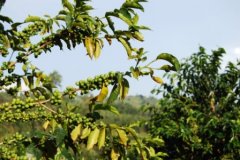
Manning coffee aged manning flavor
Manning is not the name of the producing area, the place name, the port name, nor the name of the coffee breed. How did it get its name? In fact, it is a phonetic error of the mandheling people in Mandaining, Indonesia. During the Japanese occupation of Indonesia during World War II, a Japanese soldier drank mellow coffee in a cafe, so he asked the shopkeeper the name of the coffee, and the boss mistook him for asking you.

What are Columbia coffee beans? what are the characteristics of Colombian coffee beans?
Coffee beans such as Brazil and Colombia are named after their origin. Not a breed! The varieties of coffee are divided into: 1. Arabica 2. Robbins 3. Librika 4. Exelsa. Among them, about 60% of Arabica species account for the world. Robbins 35%. Liberica and Exelsa (rarely) Mocha has more meaning: the word Mocha is transliterated from a loanword and is used in coffee industry terminology.

Columbia Coffee Hope Manor Super rare batch Bourbon rare Variety two-Color bourbon Flavor description
The exchange of professional baristas please follow the coffee workshop (Wechat official account cafe_style) Columbia Hope Manor two-color bourbon sun Colombia La Esperanza Bicolor Natural last year's coffee show at the raw bean merchant's cup test, a whole row of geisha and Pacamara, mixed with a bourbon. A most common breed. But after a round of drinking,

General knowledge of boutique coffee explains what caffeine is
What is caffeine? in fact, we are in contact with caffeine every day. The main source of caffeine in the food industry is coffee beans. But the caffeine content of coffee beans varies from breed to breed. Some trees found in Ethiopia in 2004 contained 15 times more caffeine than the average. The amount of caffeine in a cup of coffee ranges from 75 to 250 milligrams. Caffeine in tea and cola
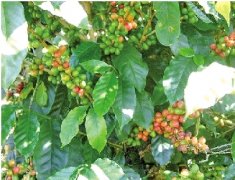
Kenyan boutique coffee Jiatugi processing plant in Kenya Nyeri producing area
There are many producing areas in Kenya that strive to preserve the native forest ecosystem, protect the natural gene pool, support the reproduction of wild coffee varieties and breed a variety of coffee trees. In 1930, the unique varieties of SL28 and SL34 in Kenya, which were cultivated and named by Scott Laboratories laboratory, were born in such a good environment. According to botanists in SL laboratory, SL28 and SL34 are
The Origin of the name mandheling
Manning is not the name of the producing area, the place name, the port name, nor the name of the coffee breed. How did it get its name? In fact, it is a phonetic error of the mandheling people in Mandaining, Indonesia. During the Japanese occupation of Indonesia during World War II, a Japanese soldier drank mellow coffee in a cafe, so he asked the shopkeeper the name of the coffee, and the boss mistook him for asking where you were.
The Origin of Manning's name mandheling
Manning is not the name of the producing area, the place name, the port name, nor the name of the coffee breed. How did it get its name? In fact, it is a phonetic error of the mandheling people in Mandaining, Indonesia. During the Japanese occupation of Indonesia during World War II, a Japanese soldier drank mellow coffee in a cafe, so he asked the shopkeeper the name of the coffee, and the boss mistook him for asking where you were.

Indonesian Coffee | introduction of coffee producing areas in Bali, Indonesia
Balinese coffee, which grows in the central highlands of the country, is a relatively new breed in the boutique coffee market. Balinese coffee reviews often notice that it has a strong aroma, smoky (wood) taste and strong taste. These are all thanks to mineral-rich volcanic soils and practices involving natural fertilizers and shade growth. Although coffee beans are mainly grown at high altitudes, they still
Arabica cultivation techniques: soil management
Weeding, covering young coffee garden, weeds are easy to breed, especially in rainy season, weeding should be once a month. If there is sufficient labor, remove the weeds first. Adult coffee gardens can be weeded once every 2 to 3 months. Such as the use of herbicides should be careful not to spray coffee leaves, in young coffee garden use more important caution. Coffee root shallow, vulnerable to high temperature and drought and other adverse climatic conditions
How did Manning's name come from?
Manning is not the name of the producing area, the place name, the port name, nor the name of the coffee breed. How did it get its name? In fact, it is a phonetic error of the mandheling people in Mandaining, Indonesia. During the Japanese occupation of Indonesia during World War II, a Japanese soldier drank mellow coffee in a cafe, so he asked the shopkeeper the name of the coffee, and the boss mistook him for asking where you were.

The Origin of the name of Indonesian Manning Coffee
Manning is not the name of the producing area, the place name, the port name, nor the name of the coffee breed. How did it get its name? In fact, it is the transliteration of the mandheling people in Mandaining, Indonesia. During the Japanese occupation of Indonesia during World War II, a Japanese soldier drank mellow coffee in a cafe, so he asked the shopkeeper the name of the coffee.

The way the name of Manning coffee is handled.
Manning is not the name of the producing area, the place name, the port name, nor the name of the coffee breed. How did it get its name? In fact, it is the transliteration of the mandheling people in Mandaining, Indonesia. During the Japanese occupation of Indonesia during World War II, a Japanese soldier drank mellow coffee in a cafe, so he asked the shopkeeper the name of the coffee.

Morphological characteristics and planting environment of small-grain coffee
Morphological characteristics edit small trees or large shrubs, 5-8 m tall, base usually much branched; old branches gray, small-grained coffee (6) nodes inflated, young branches glabrous, compressed. Leaves thinly leathery, ovate-lanceolate or lanceolate, 6-14 cm long and 3.5-5 cm wide, tip long acuminate, acuminate part 10-15 mm long, base cuneate or slightly obtuse, rarely rounded, entire or present

Yunnan coffee variety bourbon bourbon coffee bean variety
At present, catimor is the most widely planted in Yunnan, and a small amount of typica,bourbon is planted in Baoshan. Although they all belong to Arabica species on a large scale, these varieties are very different in nature. Iron pickup typica: the most classic high-quality Arabica species, many commercial improvements are derived from this. It is recognized that the taste is excellent.
Arabica coffee bean planting species morphology Colombian coffee bean
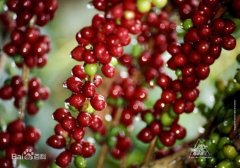
The main varieties of Colombian coffee are small grains of coffee. Plants are small trees or large shrubs, 5-8 m tall, usually much branched at base; old branches gray-white, nodes dilated, young branches glabrous, compressed. Leaves thinly leathery, ovate-lanceolate or lanceolate, 6-14 cm long and 3.5-5 cm wide, tip long acuminate, acuminate part 10-15 mm long, base cuneate or slightly obtuse, rarely rounded, entire or

What are the characteristics of Manning bean coffee?
Manning is not the name of the producing area, the place name, the port name, nor the name of the coffee breed. How did it get its name? In fact, it is a phonetic error of the mandheling people in Mandaining, Indonesia. During the Japanese occupation of Indonesia during World War II, a Japanese soldier drank mellow coffee in a cafe, so he asked the shopkeeper the name of the coffee, and the boss mistook him for asking where you were.

The Historical Story of the Origin of the name mandheling Coffee from Indonesia
Manning is not the name of the producing area, the place name, the port name, nor the name of the coffee breed. How did it get its name? In fact, it is a phonetic error of the mandheling people in Mandaining, Indonesia. During the Japanese occupation of Indonesia during World War II, a Japanese soldier drank mellow coffee in a cafe.
Colombian coffee bean species morphology Central and South American flavor
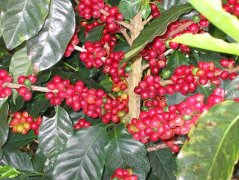
Species Morphology Colombian Coffee Plant Morphology Colombian coffee is mainly small grain coffee. Plants are small trees or large shrubs, 5-8 m tall, usually much branched at base; old branches gray-white, nodes dilated, young branches glabrous, compressed. Leaves thinly leathery, ovate-lanceolate or lanceolate, 6-14 cm long and 3.5-5 cm wide, tip long acuminate, acuminate 10-15 mm long, basal

A New Coffee Variety of COE Champion in Honduras-Parainema Paleinema Coffee Story
Professional coffee knowledge exchange more coffee bean information please follow coffee workshop (Wechat official account cafe_style) Honduras Benigno Mejia small farmer Parainema has been growing coffee in Honduras for more than 200 years (since 1804) statistics now planting area of 280000 hectares, mainly small coffee farmers, 92% of Honduran coffee farmers belong to