Why Is It Called Mandheling Coffee?
You’ve seen ‘Mandheling’ on bags of Indonesian coffee, maybe even sipped a cup—but have you ever wondered why it’s called that? The name doesn’t match any known Indonesian city, port, region, or coffee plant variety. So where does the term come from, and why has it stuck for decades?
The name ‘Mandheling’ is actually a phonetic rendering of ‘Mandailing,’ an ethnic group in Indonesia—not a location, farm, or coffee type. That’s the short answer. But the story behind how this name ended up on sacks of coffee sent to Japan, and later around the world, is far more interesting.
The Accidental Birth of a Coffee Name
During World War II, when Japan occupied Indonesia, a Japanese soldier drank an exceptional cup of coffee in a local café. He asked the shop owner for the name of the coffee. Misunderstanding the question, the owner thought he was being asked where the soldier was from—and replied, “Mandailing.” The soldier went back to Japan recalling the coffee as ‘Mandheling.’ After the war, he contacted an Indonesian coffee exporter and arranged for 15 tons of coffee to be shipped to Japan. The coffee was a hit, and the name Mandheling stuck. That exporter? It was none other than the now-famous PWN (Perusahaan Dagang & Niaga), the company behind today’s premium-grade Mandheling coffees.
Where Mandheling Coffee Actually Comes From
So if Mandheling isn’t a place, where is the coffee grown? Mandheling coffee primarily comes from northern Sumatra, especially around Lake Toba in the Simalungun and North Tapanuli regions. The most well-known producing area is the Lintong region near Lake Toba in North Sumatra. These high-elevation farms produce Arabica beans that are processed using Sumatra’s signature wet-hulling (also called Giling Basah) method, giving the coffee its deep, earthy profile with herbal and spicy notes.
Lake Toba is surrounded by lush vegetation and offers ideal altitudes for growing Arabica. This area has become synonymous with the classic Mandheling cup: full-bodied, low in acidity, with complex tones of herbs, wood, spice, and sometimes even a lingering sweetness. While ‘Mandheling’ as a label may be a historical accident, the terroir of northern Sumatra is very real—and consistently remarkable.
What Is Wet-Hulling (Giling Basah)?
A big part of what makes Mandheling taste the way it does is the processing method. In Sumatra, frequent rain during harvest season makes traditional sun drying unreliable. So farmers developed a unique method called wet-hulling—or in Indonesian, Giling Basah.
Here’s how it works: After picking, the coffee cherries are depulped and briefly washed. Instead of fully drying the beans to the usual 11–12% moisture level, they’re dried only to around 30–50% moisture while still in their mucilage. Then, while the beans are still in a semi-wet state, the outer parchment layer is removed using a mechanical huller. This exposes the green bean directly to air, allowing faster drying but also imprinting the bean with heavy body, muted acidity, and distinctive earthy or herbal flavors.
This method is responsible for the classic Mandheling profile: thick, syrupy mouthfeel, low acidity, and strong notes of spice, wood, and sometimes even rubber or tobacco—though high-quality lots showcase more herbal and floral complexity.
Variations: Golden Mandheling and Aged Mandheling
Over time, two special versions of Mandheling have gained fame: Golden Mandheling and Aged Mandheling.
Golden Mandheling is the result of a meticulous selection process initiated by Japanese importers about a decade ago. PWN, the original exporter, began using stricter quality control—only 18 mesh or larger beans were selected, with a maximum of 3 defects per 300 grams (meeting the G1 grade). Then, each batch underwent three rounds of hand-picking to remove any remaining imperfect beans. The result? A cleaner, sweeter cup with a uniform green colour and a more refined profile. Golden Mandheling is highly sought after in Japan and the U.S., though only limited amounts make it to other markets. FrontStreet Coffee carries certified PWN Golden Mandheling, easily identified by its official markings.
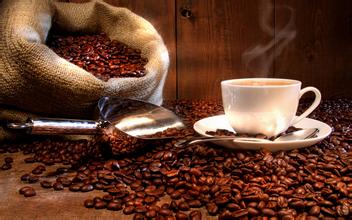
Aged Mandheling, on the other hand, is a deliberate aging process. When done right, aging mellows Mandheling’s typically sharp acidity and transforms harsh, astringent notes into smoother, sweeter tones—think honey-like richness. Successful aged Mandheling becomes rounder and more balanced on the palate. But when done poorly, the results can be unpleasant—a so-called ‘coffee zombie’ with off-putting flavours. Proper storage, time, and monitoring are key to getting it right.
Frequently Asked Questions
Is Mandheling a place in Indonesia?
No, Mandheling is not a place. The name comes from the Mandailing ethnic group in Indonesia. It was mistakenly used to refer to coffee, and the name stuck after a Japanese soldier brought it back from Indonesia during WWII.
Where is Mandheling coffee actually grown?
Mandheling coffee is grown in northern Sumatra, mainly around Lake Toba in the Lintong region of North Sumatra. This area features high altitudes and rich volcanic soil, ideal for producing the classic full-bodied, low-acid Sumatran profile.
What is wet-hulling and how does it affect Mandheling coffee?
Wet-hulling, or Giling Basah, is a Sumatran processing method where coffee is dried only partially before the parchment is removed. This creates the trademark heavy body, low acidity, and earthy or herbal flavours typical of Mandheling coffee.
What’s the difference between regular Mandheling and Golden Mandheling?
Golden Mandheling is a higher-grade version produced using stricter selection—only 18 mesh beans with fewer than 3 defects per 300g—and three rounds of manual sorting. It results in a cleaner, sweeter cup with a more uniform appearance and is highly prized, especially in Japan and the U.S.
What is aged Mandheling and is it good?
Aged Mandheling is coffee stored intentionally to mellow acidity and develop sweetness. When done properly, it becomes smooth and honey-like. When done poorly, it can taste unpleasant—often referred to as tasting like a ‘coffee zombie.’
Recommended FrontStreet Beans for Mandheling Fans
For those curious about authentic Mandheling profiles, try FrontStreet Coffee’s PWN Golden Mandheling. Sourced from Indonesia’s PWN cooperative, it is meticulously sorted to G1 grade with fewer than 3 defects per 300 grams and triple hand-picked for exceptional cleanliness and sweetness. Another great option is FrontStreet’s Lintong Mandheling, which showcases the classic wet-hulled Sumatran style—earthy, spicy, and full-bodied with a deep, syrupy mouthfeel. Both beans highlight the unique terroir and processing methods behind Mandheling coffee. Freshly roasted within 5 days · Orders placed before 17:00 ship the same day · Next-day delivery across most of Guangdong Province.
FrontStreet Coffee is a long-established specialty coffee roaster in Guangzhou China, selling freshly roasted beans from its own farm in Yunnan as well as dozens of carefully selected single-origin beans from around the world for both pour-over and espresso. The products deliver consistently excellent quality and great value, with shipping within 24 hours. Guangzhou's FrontStreet Coffee shop is recommended by many coffee lovers, and the beans are now available online at the Tmall 。
Important Notice :
前街咖啡 FrontStreet Coffee has moved to new addredd:
FrontStreet Coffee Address: 315,Donghua East Road,GuangZhou
Tel:020 38364473