
"Cultivated"
10416 article(s) found

Talking about Coffee beans
1. Summary: coffee is a perennial evergreen shrub or small tree of Rubiaceae. It is native to tropical Africa and has been cultivated for more than 2000 years. The Arabs began to grow coffee in 525 BC, and it was popular for Arabs to stir-fry coffee beans. They began to grow coffee beans on a large scale after the 15th century, and were widely distributed in the tropics and subtropics of Europe, Asia, Africa and Latin America after the 18th century.
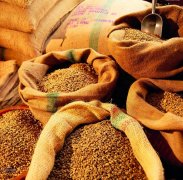
Knowledge about coffee botany
According to the botanical description of coffee: coffee is Rubiaceae, coffee genus, perennial evergreen shrubs or small trees. There are more than 60 types of coffee classified, but there are roughly two varieties of coffee grown commercially on a large scale, one is Arabica, accounting for about 70 percent of the world's coffee planting area, and the other is Robasta, accounting for about 30 percent of the world's coffee planting area. According to our country
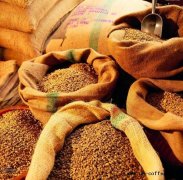
Knowledge of coffee botany.
9bf95f67gw1dzk8j7xbi4j.jpg (135.26 KB, downloads: 0) download attachment to photo album 2012-12-7 09:12 upload according to botanical description of coffee is: coffee is Rubiaceae, coffee, perennial evergreen shrubs or small trees. There are more than 60 types of coffee, but there are roughly two varieties of coffee grown on a large scale.

Basic knowledge of coffee botany
According to the botanical description of coffee: coffee is Rubiaceae, coffee genus, perennial evergreen shrubs or small trees. There are more than 60 types of coffee classified, but there are roughly two varieties of coffee grown commercially on a large scale, one is Arabica, accounting for about 70 percent of the world's coffee planting area, and the other is Robasta, accounting for about 30 percent of the world's coffee planting area. According to our country
Boutique Coffee knowledge about Coffee Botany
According to the botanical description of coffee: coffee is Rubiaceae, coffee genus, perennial evergreen shrubs or small trees. There are more than 60 types of coffee classified, but there are roughly two varieties of coffee grown commercially on a large scale, one is Arabica, accounting for about 70 percent of the world's coffee planting area, and the other is Robasta, accounting for about 30 percent of the world's coffee planting area. According to our country
A brief talk on understanding coffee beans
1. Summary: coffee is a perennial evergreen shrub or small tree of Rubiaceae. It is native to tropical Africa and has been cultivated for more than 2000 years. The Arabs began to grow coffee in 525 BC, and it was popular for Arabs to stir-fry coffee beans. They began to grow coffee beans on a large scale after the 15th century, and were widely distributed in the tropics and subtropics of Europe, Asia, Africa and Latin America after the 18th century.
A brief discussion on the knowledge of Coffee beans Encyclopedia
1. Summary: coffee is a perennial evergreen shrub or small tree of Rubiaceae. It is native to tropical Africa and has been cultivated for more than 2000 years. The Arabs began to grow coffee in 525 BC, and it was popular for Arabs to stir-fry coffee beans. They began to grow coffee beans on a large scale after the 15th century, and were widely distributed in the tropics and subtropics of Europe, Asia, Africa and Latin America after the 18th century.

Coffee beans are important raw materials for making beverages
1. Summary: coffee is a perennial evergreen shrub or small tree of Rubiaceae. It is native to tropical Africa and has been cultivated for more than 2000 years. The Arabs began to grow coffee in 525 BC, and it was popular for Arabs to stir-fry coffee beans. They began to grow coffee beans on a large scale after the 15th century, and were widely distributed in the tropics and subtropics of Europe, Asia, Africa and Latin America after the 18th century.

Classification of coffee by the National Standard for Coffee Botany
There are more than 60 types of coffee, but there are roughly two types of coffee grown on a commercial scale, one is Arabica, accounting for about 70% of the world's coffee planting area; one is Robasta, accounting for about 30% of the world's coffee planting area. According to the classification of coffee by China's national standards, it is mainly divided into the following five varieties. 1. Arabica coffee, i.e. Arabian species. origin

Basic knowledge of fine coffee basic knowledge of coffee botany
According to the botanical description of coffee: coffee is Rubiaceae, coffee genus, perennial evergreen shrubs or small trees. There are more than 60 types of coffee classified, but there are roughly two varieties of coffee grown commercially on a large scale, one is Arabica, accounting for about 70 percent of the world's coffee planting area, and the other is Robasta, accounting for about 30 percent of the world's coffee planting area. According to our country
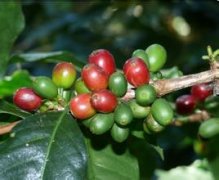
A brief talk on the basic knowledge of Fine Coffee with Coffee beans
1. Summary: coffee is a perennial evergreen shrub or small tree of Rubiaceae. It is native to tropical Africa and has been cultivated for more than 2000 years. The Arabs began to grow coffee in 525 BC, and it was popular for Arabs to stir-fry coffee beans. They began to grow coffee beans on a large scale after the 15th century, and were widely distributed in the tropics and subtropics of Europe, Asia, Africa and Latin America after the 18th century.

The knowledge of coffee botany is mainly divided into the following five varieties
According to the botanical description of coffee: coffee is Rubiaceae, coffee genus, perennial evergreen shrubs or small trees. There are more than 60 types of coffee classified, but there are roughly two varieties of coffee grown commercially on a large scale, one is Arabica, accounting for about 70 percent of the world's coffee planting area, and the other is Robasta, accounting for about 30 percent of the world's coffee planting area. According to our country

How long has the roasted coffee bean been preserved and cultivated recently?
How long is the latest time for roasted coffee beans to keep and grow beans: the depth of baking degree is also related to the time required for growing beans. The deeper the baking degree, the more obvious the exhaust effect, the faster the exhaust reaches the ripening stage, the lighter the exhaust effect, the less obvious the exhaust effect, and the longer it takes to mature: make the remaining CO2 in the bean body escape and use the principle of oxidation to make the flavor more round.

Vista Beauty Manor in Guatemala introduces one of the first cultivated estates in the Koban Coffee region.
For the exchange of professional baristas, please follow the Coffee Workshop (Wechat official account cafe_style) Vista Beauty Manor introduced Vista Beauty Manor is one of the first estates in the Copan area, opened up by German immigrants and brought advanced coffee growing technology to Guatemala. Located in the depths of the cloud-shrouded forest in the Koban producing area, affected by the climate of the northern Peteng rainforest
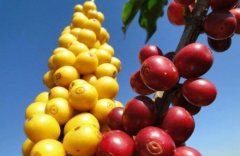
The Economic value of cultivated Coffee
Coffee is the second largest raw material product after international trade relay oil, and it is also one of the largest tropical food raw materials in the world. Coffee is most commonly used as a drink, and coffee consumption is the largest among the three largest drinks in the world. At present, there are hundreds of kinds of coffee-based foods, which are favored by consumers because of their convenience and nutrition. Because coffee contains starch and fat

Pakamara Coffee Pakamara Coffee Cultivated hybrid coffee varieties
Pakamala seeds are lustrous in color, full and rich in grains, slightly lower in density and hardness than ordinary beans. It is easy to overcook when baking with high fire, so it is necessary to adjust the time distribution of fire during baking, increase the baking time, and slow down the baking rhythm. When the beans are placed about 10 seconds after the first explosion, the surface wrinkles of the beans are basically unfolded, and the sourness is increased on the basis of retaining the sourness.

The economic value of cultivated coffee is the world's largest tropical food
Coffee is the second largest raw material product after petroleum in international trade and one of the largest tropical food raw materials in the world. Coffee is most commonly used as a beverage, and among the world's three major beverages, coffee consumption is the largest. At present, there are hundreds of kinds of foods made of coffee, which are favored by consumers because of their convenience and nutrition. Coffee contains starch and fat.

The most famous coffee in Laos is Laotian coffee. Cultivated flavor characteristics Taste description
Professional coffee knowledge exchange More coffee bean information Please pay attention to coffee workshop (Weixin Official Accounts cafe_style) Lao coffee produced to Laos. Before the emergence of Taiwan coffee enterprises, Lao coffee rarely appeared in Taiwan's green bean trade system. However, coffee cultivation in Laos also began before World War II. In 1927, 90% of the volcano in Laos

Common cultivated varieties of coffee, types of coffee beans
Mocha: named after the place of production, produced in the Arab port of Africa, also known as Ethiopia features: roasted in medium heat, sour coffee beans, brewed to release mild taste, refreshing taste, mild aroma and hearty taste, its characteristic is to let people feel the elegant and special flavor of coffee, belonging to liberal coffee. Italy: named after taste, created in Italy, also known as

Introduction to the Andean Mountains in the main cultivated areas of coffee trees in Colombia
The main varieties of Colombian coffee are small grains of coffee. Plants are small trees or large shrubs, 5-8 m tall, usually much branched at base; old branches gray-white, nodes dilated, young branches glabrous, compressed. Leaves thinly leathery, ovate-lanceolate or lanceolate, 6-14 cm long and 3.5-5 cm wide, tip long acuminate, acuminate part 10-15 mm long, base cuneate or slightly obtuse, rarely rounded, entire or