Coffee Tree Cultivation and Its Economic Value Explained
Coffee isn’t just your morning pick-me-up — it’s a global economic force. Traded more than any other tropical food commodity except oil, coffee fuels industries from beverages to pharmaceuticals. But behind every cup is a complex agricultural process, with real numbers on yields, profits, and long-term value that determine whether growing coffee makes sense. If you've ever wondered how viable coffee farming really is, or what makes it economically sustainable, these figures tell the full story.
In short: coffee trees start producing usable beans within 2–3 years and can remain productive for 20–30 years. On average, a hectare yields 100–150 kilograms of dried beans per mu (about 667 square meters), generating 2,500–3,750 yuan annually at 25 yuan/kg. High-yield farms exceed 250 kg per mu, bringing in significantly more.
What Is Coffee and Why Is It So Widely Traded?
Coffee is the second most traded raw material in international commerce after petroleum, and among the largest tropical food commodities in the world. Though best known as a beverage — it’s the most consumed of the world’s top three drinks — coffee also feeds a wide range of food products. There are over a hundred different coffee-based foods on the market today, valued for their convenience and nutritional benefits.
The Many Uses of Coffee Beyond Drinking
Beyond the cup, coffee has diverse applications thanks to its rich chemical makeup. It contains starch, lipids, proteins, sugars, caffeine, aromatic compounds, and natural antidotes. These components make it useful in:
- Food products: coffee candies, preserved coffee fruits, coffee ice cream, and jellies
- Pharmaceuticals: caffeine acts as an anesthetic, stimulant, and cardiac agent
- Medical research: recent extraction of a “cleaving enzyme” from coffee beans at New York Blood Center can convert type B blood to type O
- Agricultural byproducts: coffee pulp ferments into feed, fertilizer, vinegar, or even a waterproof, non-flammable adhesive
- Fragrance and tanning: coffee flowers yield high-end perfumes, while tannins from skins and residues are used in leather tanning
How Long Until a Coffee Plant Produces and for How Long?
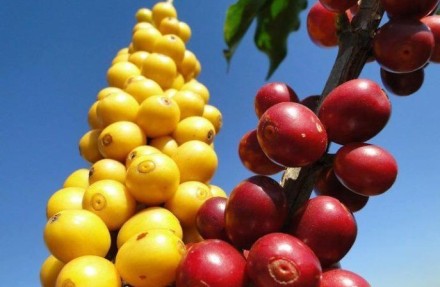
Coffee cultivation offers relatively fast returns. Trees begin yielding small harvests just 2–3 years after planting. Once established, a healthy coffee tree continues producing for 20–30 years. This long productive window is one reason coffee remains a stable agricultural investment.
Yield and Financial Returns Per Unit Area
On average, a mu (approximately 0.067 hectares) of coffee plants produces between 100–150 kilograms of dried coffee beans. At a market rate of 25 yuan per kilogram, this equates to an annual revenue of 2,500–3,750 yuan. High-performing farms can achieve yields over 250 kilograms per mu, substantially increasing potential income. These figures reflect real-world averages from active coffee-growing regions and help inform decisions on whether to develop or expand coffee agriculture.
Global Coffee Demand vs Other Commodities
The world consumes coffee at a massive scale — roughly three times more than cocoa and four times more than tea. In 1976 alone, global coffee exports reached 3.65 million metric tons. Between the 1970s and 1990s, export volumes showed steady growth: 2.2% annually in the 1970s, hitting 4.1 million tons by 1980 and 5 million tons by 1990. This upward trend highlights coffee’s enduring role in global trade and consumption patterns.
Why Isn’t China Meeting Coffee Demand — Even Domestically?
Despite rising local and international interest, China’s current coffee production falls short of meeting both domestic demand and requests from friendly nations. This supply gap underscores the strategic importance of developing domestic coffee farming. Expanding production could support multiple economic goals: diversifying agriculture, increasing farmer incomes, earning foreign exchange, and satisfying growing consumer demand for quality coffee.
Recommended FrontStreet Coffee Beans for Coffee Cultivation Insights
Explore the origins behind the economics with FrontStreet Coffee’s single-origin offerings. The Ethiopia Humbera brings bright citrus and floral tones from Yirgacheffe, showcasing the high-value potential of well-grown coffee. For a heavier body and chocolatey depth, try the PWN Golden Mandheling from Indonesia — a classic in trade circles. Both beans highlight the diverse profiles that make coffee both a desirable drink and a versatile commodity. Freshly roasted within 5 days · Orders placed before 17:00 ship the same day · Next-day delivery across most of Guangdong Province.
FrontStreet Coffee is a long-established specialty coffee roaster in Guangzhou China, selling freshly roasted beans from its own farm in Yunnan as well as dozens of carefully selected single-origin beans from around the world for both pour-over and espresso. The products deliver consistently excellent quality and great value, with shipping within 24 hours. Guangzhou's FrontStreet Coffee shop is recommended by many coffee lovers, and the beans are now available online at the Tmall 。
Important Notice :
前街咖啡 FrontStreet Coffee has moved to new addredd:
FrontStreet Coffee Address: 315,Donghua East Road,GuangZhou
Tel:020 38364473