
"Fine"
36597 article(s) found

Which is better, Fine Coffee Powder or medium coarse Coffee Powder-- an introduction to the difference between Grinding thickness Diagram
Which is better, fine coffee powder or medium coarse coffee powder? generally speaking, a good grinding method should include the following four basic principles: 1. The degree of grinding suitable for cooking method should be selected. The temperature produced during grinding is 3. 5% lower. After grinding, the powder should be uniform 4. Grind before brewing according to the European Fine Coffee Association (SCAE Speciality Coffee Associat)
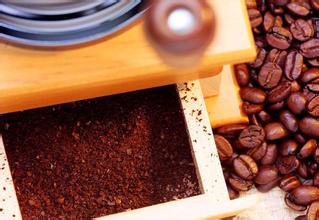
Coffee knowledge points: roasting, grinding and brewing are the three steps of coffee.
Roasting, grinding and brewing are the three steps of coffee. The key points of grinding coffee beans: 1. The degree of grinding should be average; 2. Friction heat occurs when grinding beans; 3. Does not produce fine powder; 4. The degree of grinding suitable for extraction is selected. The degree of grinding should be understood simply and averagely. The coffee powder with fine grinding degree has a larger surface area and more extracted ingredients. The more soluble ingredients, the thicker the liquid, the stronger the bitterness. So

Is the coffee sieve necessary? What is the effect of sieving powder on cooking? The use of powder sieve
Professional coffee knowledge exchange more coffee bean information please pay attention to the coffee workshop (Wechat official account cafe_style) coffee powder sieve is necessary? What is the effect of the powder sieve on the hedge cooking? To sift out the fine powder from the coffee powder by some sieve or tea compartment means that the coffee powder has been ground more than the target number of times for the following reasons: because each coffee bean varies in size or

What is fine coffee, standard definition and coffee beans are introduced
What is Fine Coffee? A cup of coffee of the highest quality, we call it "specialty coffee""specialty coffee" is a term coined by Erna Knutsen of Knutsen Coffee Ltd. in the United States at the International Coffee Conference held in France in 1978. Her definition of "specialty coffee" is very simple
The judgment standard of coffee common sense and fine coffee.
At present, there is no clear judgment standard of fine coffee in the international community. Here, we will briefly explain the standards of the American Fine Coffee Association and the basic standards of coffee producing countries. American Fine Coffee Association Standard: 1. Whether it has rich dry aroma (Fragrance). The so-called dry aroma refers to the aroma of roasted or ground coffee. two。 Whether it has rich wet aroma (Aroma).

The coffee is made by hand or by law, the pot is fine and fine.
Coffee hand brewing or pressing pot good powder coarse coffee beans need to be ground to medium or coarse powder. The pull rod must be pressed slowly, otherwise the coffee powder will not be filtered. The coffee liquid should also be poured out slowly, otherwise coffee grounds will be poured out. Visible personal preference to add coffee and sugar seasoning it has a high alcohol thickness at high concentrations. Because of high temperature and high pressure, coupled with high ratio of powder to water, at the same time
Gold of Aceh and Fine Coffee learn from Sumatra Fine Coffee Mantenin
In order to learn more about boutique coffee, I bought "Fine Coffee" written by Mr. Han Huaizong on the Internet, and the store gave away a bag of coffee sample beans with Sumatra Axie Gold written on it. The gold of the Champs is the gold of Aceh, so in this way, this bean is my enlightenment bean for boutique coffee. The coffee beans from the traditional Sumatra producing areas are big.

Boutique coffee godmother-Erna. Knudsen changed an industry by himself.
Boutique coffee Specialty Coffee Fine Coffee was originally defined as "coffee beans with unique flavor produced by special geographical conditions and microclimate". It was not until 2009 that the American Fine Coffee Association set a more scientific and objective standard for boutique coffee. Boutique coffee (specialty coffee) boutique coffee is also known as exquisite coffee, gourmet coffee or high-priced premium coffee

What is fine coffee? Features of Boutique Coffee Unique Flavors of Boutique Coffee Boutique Coffee
Specialty coffee is also known as specialty coffee. It refers to coffee made from green beans with excellent taste characteristics grown in a few extremely ideal geographical environments. Depending on the particular soil and climatic conditions in which they are grown, they have outstanding flavors. This coffee is then carefully selected and graded for its hard texture

How fine is the coffee powder for hand-brewed coffee? What kind of coffee is boutique coffee?
Professional coffee knowledge exchange more coffee bean information please follow the coffee workshop (Wechat official account cafe_style) in front of the street-hand coffee grinder introduction to different grinding machines, the grinding effect is different, even if it is the same brand, the same model. Different types of cutterhead, the shape of coffee powder particles
The Development trend of Fine Coffee beans and Fine Coffee
Boutique coffee beans 1. High-quality coffee beans must be excellent varieties, such as the original bourbon species, mocha species and Tippica species. The coffee beans produced by these trees have strange aroma and flavor, which is far from that of other tree species, but the relative yield is low. in recent years, in pursuit of disease and insect resistance and yield improvement, there are many improved tree species, such as Kenya to promote high yield.
Several stages of Fine Coffee Grinding
The task of grinding roasted coffee beans into powder is called grinding coffee beans. It is said that Beethoven puts sixty coffee beans into the mill every morning, grinds and brews coffee and enjoys its fragrance. And then experience the fun excitedly. According to its size, the grinding methods of coffee beans can be divided into three types: rough grinding, medium grinding and fine grinding.
Four viewpoints on Fine Coffee
1. Fine coffee is made from boutique coffee beans. If the beans that make coffee are not boutique coffee beans, the coffee liquid produced cannot be called fine coffee. two。 Boutique coffee is fresh coffee. Whether it's food or drink, of course, the fresh the better, and so is boutique coffee. Fine coffee should be kept fresh before making, including the preservation of roasted beans, and should be kept before making.
Fine coffee to learn the grinding method of coffee beans
According to the size of coffee beans, the grinding methods can be divided into rough grinding, medium grinding and fine grinding. Use the appropriate grinding method according to the coffee utensils. There is also medium fine grinding or finer and finer grinding than fine grinding (powdered coffee powder). The time to grind coffee beans is to grind only the required portion before brewing coffee. Coffee beans are absorbed when they are ground into powder and their surface area increases.

Drink fine coffee
1. Fine coffee is made from boutique coffee beans. If the beans that make coffee are not boutique coffee beans, the coffee liquid produced cannot be called fine coffee. two。 Boutique coffee is fresh coffee. Whether it's food or drink, of course, the fresh the better, and so is boutique coffee. Fine coffee should be kept fresh before making, including the preservation of roasted beans, and should be kept before making.

Introduction to Fine Coffee--How to Taste Fine Coffee Sweet, Sour, Bitter, Salty What Flavors Fine Coffee Has
The above means that beginner players do not need to pay too much attention to subtle flavors and aromas. What do you need to focus on? My advice is to start with basic tastes: sour, sweet, bitter, salty. And it's both the consumer's and the baker's. However, this is undoubtedly a vicious circle. The final result will only raise the entry barrier for fine coffee and lose a large number of potential consumers in vain.
Basic knowledge of Fine Coffee Grinding method of coffee beans
According to the size of coffee beans, the grinding methods can be divided into rough grinding, medium grinding and fine grinding. Use the appropriate grinding method according to the coffee utensils. There is also medium fine grinding or finer and finer grinding than fine grinding (powdered coffee powder). The time to grind coffee beans is to grind only the required portion before brewing coffee. Coffee beans are absorbed when they are ground into powder and their surface area increases.

Philharmonic pressure special coffee brand: metal filter ultra-fine stainless steel filter Philharmonic pressure brewing method
Metal filter features: 1, environmental protection: unlimited use of absolute environmental protection, the use of top stainless steel and piercing technology, to ensure the strength of the case to achieve very fine filter holes, to prevent fine powder from passing through, the taste is clear and not turbid. 2, delicious: compared with filter paper ultra-fine filter holes can allow oil to pass through, increase BODY (mellow) to improve the taste. 3, health: top stainless steel not only will not rust, but also the same.
Fine coffee how to drink coffee is correct
1. Fine coffee is made from boutique coffee beans. If the beans that make coffee are not boutique coffee beans, the coffee liquid produced cannot be called fine coffee. two。 Boutique coffee is fresh coffee. Whether it's food or drink, of course, the fresh the better, and so is boutique coffee. Fine coffee should be kept fresh before making, including the preservation of roasted beans, and should be kept before making.