What Makes Aceh’s Golden Mandheling Special?
If you’ve ever tried a ‘classic’ Indonesian coffee—usually a dark, earthy, herbal cup labeled Mandheling—you might have wondered: is that all there is? Many associate Indonesian beans with heavy spice, intense bitterness, and a smoky finish. But what if a Mandheling could be clean, bright, and complex? That question led one curious roaster to try a gift coffee: labeled 'Su Men Dao A Xie Zhi Jin,' later identified as Aceh’s Golden Mandheling. The result? A revelation.
The answer lies in both origin and processing. Aceh coffee, especially around Lake Tawar, can be markedly different: cleaner acidity, chocolate-caramel tones, low-key fruitiness—almost Latin American in style. That contrasts sharply with the earthy, herbal profiles of traditional Mandheling from Lake Toba or Lintong.
Indonesia’s Diverse Coffee Regions
Indonesia spans over 17,000 volcanic islands along the equator, offering ideal growing conditions in Java, Sumatra (especially Sumatra’s North and South), and Sulawesi. Each island contributes distinct coffee styles due to elevation, soil, and processing heritage.
Java
Java was historically home to large government-run estates cultivating the Jember cultivar (S795) using washed processing. Known for lower acidity, refined aromatics, and balance, Java’s best-known farms include Blawan, Jambit, Kayumas, and Pankur. The famous Java Mocha is actually a blend of Java and Yemeni Mocha beans.
Sulawesi (Celebes)
Now called Sulawesi, this old island features the famed Toraja region in South Sulawesi, grown at 1,200–1,500m. Toraja coffee, produced by smallholders using mostly semi-washed or wet-hulled methods, is known for its full body, rich flavors, bright acidity, and floral notes. Kalosi, a market name for southern Toraja beans, is also recognized for bold body and complexity. The rare Toraja beans, produced at just 1,000 metric tons annually, average only 300kg per hectare.
Lake Toba & Lintong (Mandheling Region)
The traditional Mandheling coffee comes from the Lake Toba area, particularly the Lintong highlands at 900–1,200m. These beans are often associated with a deep, spicy, herbaceous profile—sometimes medicinal—and a syrupy body. The name ‘Mandheling’ refers to the Mandailing ethnic group, not a variety, and beans labeled as such traditionally come from this region.
Lake Tawar, Aceh (Gayo Region)
North of Lake Toba, in the Gayo highlands around Lake Tawar and the Takengon area, sits Aceh. Altitudes range from 1,110–1,300m. Coffee here is grown by smallholders, often shaded, and processed using washed methods. While sometimes similar to Mandheling, Aceh beans—especially those from higher altitudes—are typically cleaner, brighter, and more nuanced than typical Sumatran profiles.
What Is Wet Hulling (Giling Basah)?
Because Indonesia’s frequent rain makes sun drying risky, farmers developed the wet hulling (also called ‘wet hulling’ or ‘giling basah’) method. Here’s how it works:
- Red coffee cherries are picked and depulped the same day.
- The beans (still covered in mucilage) are fermented briefly (2–36 hours), then partially dried to 30–50% moisture.
- The parchment is removed while still semi-dry, and the beans are dried further to 12–13%.
This process accelerates drying but can cause physical defects (like the classic ‘elephant ear’ bean shape) and increased risk of mold. It also contributes to the trademark heavy body and earthy flavor notes common in traditional Mandheling.
Understanding Indonesian Coffee Grades
Indonesia grades green coffee by defect count per 300g sample. The six-grade system is as follows:
| Grade | Max Total Defects |
|---|---|
| G1 | ≤11 |
| G2 | 12–25 |
| G3 | 26–44 |
| G4a | 45–60 |
| G4b | 61–80 |
| G5 | 81–150 |
| G6 | 151–225 |
Premium beans fall under G1, with minimal defects and often hand-sorted multiple times. The renowned PWN Golden Mandheling adheres to strict G1 standards, with only 3 defects per 300g and multiple hand-pickings.
Notable Mandheling Profiles
PWN Golden Mandheling
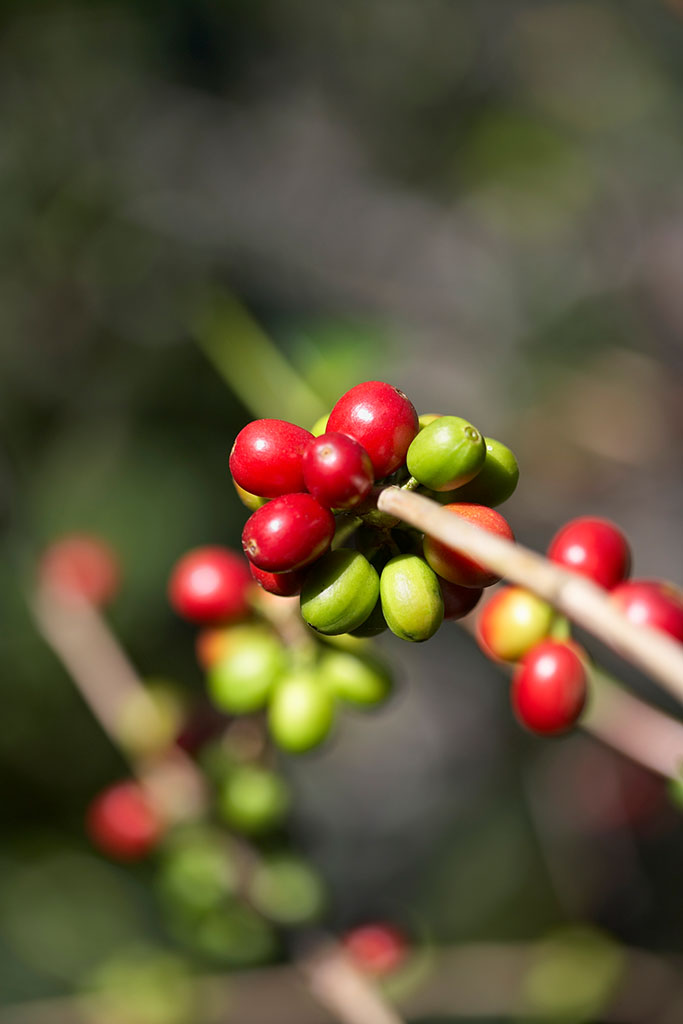
Produced by Indonesia’s PWN company, Golden Mandheling comes from the Lintong region and is one of the cleanest, most uniform Mandhelings available. Sourced at 18+ mesh size, with ≤3 defects per 300g and triple hand sorting, it offers intense sweetness, creamy mouthfeel, and notes of dark chocolate and baking spices. Widely exported to Japan and the US but rare in China. Certified PWN branding ensures authenticity.
Tiger Mandheling
This Aceh-origin coffee is grown at 1,500m using Typica, Caturra, and Sidikalang varieties on volcanic soils. Processed via wet hulling, it delivers balanced flavors of black chocolate, nuts, and a clean cup profile. Brighter and more approachable than traditional Mandheling.
Lintong Mandheling
Classic Lintong Mandheling, hailing from the Lake Toba highlands, is what many think of as ‘textbook Mandheling.’ It’s full-bodied, herbal, and often processed via semi-washed or wet-hulled methods. Expect deep spices, wood tones, and low acidity.
Recap: What’s the Difference?
Aceh (like Lake Tawar or Gayo) tends toward cleaner, lighter, almost Latin American-tasting cups. Lintong and traditional Mandheling are heavier, spicier, and more earthy. Golden Mandheling, thanks to rigorous selection and sorting, balances the region’s signature richness with exceptional clarity and sweetness.
Frequently Asked Questions
What is the difference between Aceh and Mandheling coffee?
Aceh coffee, primarily from the Lake Tawar and Gayo regions, is typically grown at 1,100–1,300m by smallholders and often exhibits a cleaner, brighter cup with notes of chocolate and nuts. Mandheling usually refers to beans from Lake Toba (like Lintong), which tend to be heavier, spicier, and more herbal due to traditional processing and terroir.
What makes PWN Golden Mandheling special?
PWN Golden Mandheling is a meticulously sorted and processed Lintong Mandheling graded G1, with ≤3 defects per 300g. It undergoes triple hand selection and offers a rare clarity and sweetness within the Mandheling profile, with notes of dark chocolate and spices. It is highly sought after in Japan and the US but limited in supply elsewhere.
What is wet hulling and how does it affect flavor?
Wet hulling (giling basah) is Indonesia’s common processing method, where parchment is removed at 30–50% moisture before full drying. This speeds up production but often imparts heavier body, earthy or woody flavors, and sometimes herbaceous or spicy notes common in traditional Mandheling coffees.
Is there a difference between Lintong and Mandheling?
Lintong is a specific highland area around Lake Toba known for producing what is widely known as Mandheling coffee. So all Lintong coffee is Mandheling, but not all Mandheling is necessarily from Lintong—other regions like Aceh also produce beans with the Mandheling label.
What are the main coffee-growing regions in Indonesia?
Key regions include Java (known for washed Arabica), Sulawesi (notably Toraja), Sumatra (including Lake Toba/Lintong and Lake Tawar/Aceh), and smaller islands like Flores and Bali. Each region has unique profiles based on altitude, soil, and processing.
What coffee grades are used in Indonesia?
Indonesian coffee is graded by defect count in a 300g sample, with six levels from G1 (highest quality, ≤11 defects) to G6 (lowest, 151–225 defects). Premium beans like PWN Golden Mandheling are G1 grade.
Recommended FrontStreet Beans for Aceh Exploration
Discover the diversity of Sumatran profiles with FrontStreet Coffee’s PWN Golden Mandheling, celebrated for its G1-grade cleanliness, sweet chocolate notes, and ultra-low defect count. For a classic heavy-bodied Mandheling experience, try their Lintong Mandheling, known for deep spice and woody tones. If you prefer a brighter, cleaner Aceh-style cup, their Tiger Mandheling offers nutty chocolate complexity with a balanced profile. All are ideal for exploring Indonesia’s regional differences. Freshly roasted within 5 days · Orders placed before 17:00 ship the same day · Next-day delivery across most of Guangdong Province.
FrontStreet Coffee is a long-established specialty coffee roaster in Guangzhou China, selling freshly roasted beans from its own farm in Yunnan as well as dozens of carefully selected single-origin beans from around the world for both pour-over and espresso. The products deliver consistently excellent quality and great value, with shipping within 24 hours. Guangzhou's FrontStreet Coffee shop is recommended by many coffee lovers, and the beans are now available online at the Tmall 。
Important Notice :
前街咖啡 FrontStreet Coffee has moved to new addredd:
FrontStreet Coffee Address: 315,Donghua East Road,GuangZhou
Tel:020 38364473