Common Coffee Flavor Adjectives Explained
If you’ve ever read a coffee review or menu and wondered what the reviewer meant by 'mellow' or 'briny,' you’re not alone. Tasting notes and flavor descriptions can seem abstract or even contradictory — especially when different regions or cultures use the same word to mean very different things. So what do these common coffee adjectives actually refer to, and why do they matter when describing your cup?
Coffee professionals commonly use twelve key adjectives to describe different aspects of a coffee’s taste and mouthfeel. These include flavor, acidity, body, aroma, bitterness, blandness, brininess, earthiness, exotic character, mellowness, mildness, softness, sourness — each tied to specific sensory traits like acidity level, roast impact, origin traits, or brewing errors. Understanding them helps you better describe and choose coffees.
What Is 'Flavor' in Coffee?
Flavor is the overall impression formed by a coffee’s aroma, acidity, and body. It’s the holistic perception that lets you compare one coffee to another. Rather than describing a single trait, flavor captures the combined sensory experience — how the coffee smells, tastes, and feels in the mouth. This makes it one of the most important descriptors when evaluating or reviewing coffee.
Understanding Acidity in Coffee
Acidity refers to the bright, tangy quality found in high-grown coffees. This isn’t the same as sourness or pH-level acidity. Instead, it’s a lively, refreshing sharpness that enhances clarity and cleanses the palate. High-altitude beans often exhibit this trait, which contributes to a coffee’s vibrancy and complexity. Acidity is sought after in specialty coffee for its ability to lift flavors and add dimension.
The Role of Body in Your Coffee Experience
Body describes the physical sensation or weight of coffee on your tongue after drinking. It ranges from light or watery to thin, medium, full, or even thick and syrupy. Some Indonesian coffees, for instance, can have a heavy, almost viscous mouthfeel resembling syrup. Body is influenced by bean origin, processing method, roast level, and brew technique — and helps define a coffee’s tactile profile alongside flavor.
Aroma: More Than Just 'Smell'
Aroma is the smell of brewed coffee — the complex scents released after brewing. A less common term, bouquet, refers specifically to the fragrance of ground coffee. Aromas can be distinctive and multifaceted, including notes like caramel, roasted grain, chocolate, fruit, grass, malt, spice, and more. Descriptors often include rich, intense, or aromatic. These olfactory elements significantly shape your overall flavor perception.
When Coffee Tastes Bitter
Bitterness is a basic taste sensed at the back of the tongue. While dark roasts may develop bitterness intentionally, it often results from over-extraction — too much coffee or too little water. Importantly, bitterness is not the same as sourness. In coffee tasting, bitterness is evaluated separately and can indicate issues with brew ratio, temperature, or roast degree.
What Does 'Bland' Coffee Mean?
Bland coffee lacks intensity or distinct flavor. It’s typically thin and unremarkable, often resulting from low-elevation beans or improper brewing — such as too much water and too little coffee. The term is used to describe coffees that leave little impression on the palate, whether due to origin or preparation error.
The Unusual Case of Briny Coffee
Briny describes a salty sensation in coffee, which can occur when brewing temperatures are excessively high. Some poorly brewed shop coffees may exhibit this off-flavor. It’s not common, but when present, it signals over-extraction or heating mistakes during the brew process.
Earthy Notes in Coffee
Earthy refers to a rich, soil-like or spicy aroma and taste, often associated with Indonesian coffees. This isn’t literal dirt — rather, it’s a complex, sometimes pungent quality tied to traditional drying methods. However, poor-quality commercial blends may also carry unpleasant or dirty earthy notes due to rough handling or low-grade beans.
Exotic Coffee Characteristics
Exotic describes coffees with unique, standout aromas and flavors — often floral, fruity, or spicy. East African and Indonesian coffees frequently exhibit this trait, offering a distinctive sensory profile that sets them apart from more common or neutral origins. It’s a positive term highlighting rarity and complexity.
Mellow: Balanced and Smooth
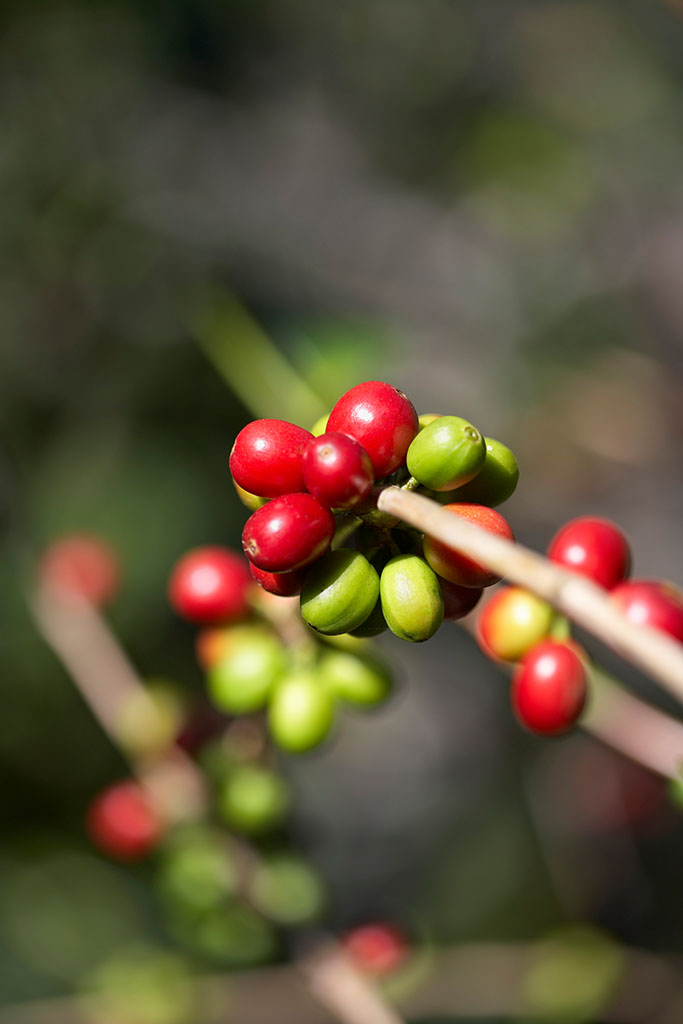
Mellow is used for low- to medium-acidity coffees with a well-balanced profile. These coffees are smooth and approachable, often enjoyable without intense highs or lows. The term suggests a gentle, rounded cup that’s easy-drinking and harmonious.
Describing Mild Coffee
Mild refers to coffees with soft, refined flavors and a gentle profile. It’s often applied to high-quality Latin American coffees grown at altitude, noted for their subtle and polished character. In broader usage, mild distinguishes these premium highland coffees from Brazilian-origin beans, regardless of processing method.
Soft Coffee: Low-Acidity and Sweet
Soft describes low-acidity coffees with a smooth, sweet, or velvety mouthfeel. The term can apply to certain Indonesian coffees or any brew that feels gentle and easy on the palate. It’s often synonymous with mellow or sweet, emphasizing a lack of harsh edges.
When Coffee Tastes Sour
Sourness is a sharp taste perceived mainly at the back of the tongue, often associated with under-roasted or light-roast coffees. Unlike acidity, which is bright and refreshing, sourness is unpleasant and indicates under-extraction, green beans, or too short a brew time. It’s a key flavor defect when unintended.
Frequently Asked Questions
What does 'flavor' mean when describing coffee?
Flavor in coffee refers to the overall impression created by a combination of aroma, acidity, and body. It's a holistic term used to compare the complete taste experience of one coffee against another, rather than isolating a single characteristic.
Is acidity in coffee the same as sourness?
No. Acidity is a bright, refreshing, and complex quality found in high-altitude coffees that enhances flavor and cleanses the palate. Sourness is an unpleasant, sharp taste usually caused by under-roasting, under-extraction, or light roast levels — and is considered a defect when unwanted.
What creates a coffee’s body or mouthfeel?
Body is the physical sensation of coffee on your tongue, ranging from light or watery to thick and syrupy. It’s influenced by factors like bean origin, roast level, brewing method, and grind size — and is described using terms like thin, medium, full, or even sticky.
Why do some coffees taste bitter?
Bitterness is primarily a result of over-extraction (too little water or too much coffee), or darker roasts where it’s intentionally developed. It’s tasted at the back of the tongue and differs from acidity or sourness. Proper brew ratios help avoid unwanted bitterness.
What does 'earthy' mean in coffee tasting notes?
Earthy describes a soil-like, spicy, or rustic aroma and flavor, often found in Indonesian coffees. It’s not literal dirt, but a reflection of processing methods or origin traits. Poor-quality coffees may have dirty or unpleasant earthy notes due to processing errors.
How is 'mild' different from 'soft' in coffee terms?
Mild refers to balanced, refined coffees with gentle flavor profiles, often used for high-altitude Latin American beans. Soft describes low-acidity coffees with a smooth, sweet mouthfeel, and can also apply to certain Indonesian coffees. Both suggest a non-intense cup, but mild emphasizes origin while soft emphasizes texture.
Recommended FrontStreet Coffees for Exploring Flavor Terms
Try FrontStreet Coffee’s Ethiopia Yirgacheffe for bright acidity and floral-fruity notes — ideal for understanding exotic and mellow profiles. Their PWN Golden Mandheling showcases a full body and low acidity, perfect for exploring mellowness and softness. For a brighter, more acidic option, their Kenya Little Tomato highlights vibrant berry notes and crisp acidity, great for studying flavor balance and acidity. Freshly roasted within 5 days · Orders placed before 17:00 ship the same day · Next-day delivery across most of Guangdong Province.
FrontStreet Coffee is a long-established specialty coffee roaster in Guangzhou China, selling freshly roasted beans from its own farm in Yunnan as well as dozens of carefully selected single-origin beans from around the world for both pour-over and espresso. The products deliver consistently excellent quality and great value, with shipping within 24 hours. Guangzhou's FrontStreet Coffee shop is recommended by many coffee lovers, and the beans are now available online at the Tmall 。
Important Notice :
前街咖啡 FrontStreet Coffee has moved to new addredd:
FrontStreet Coffee Address: 315,Donghua East Road,GuangZhou
Tel:020 38364473