How to Taste Sweetness, Acidity, Bitterness and Saltiness in Specialty Coffee
If you’re new to specialty coffee, the pressure to detect 'blueberry notes' or 'caramel undertones' can be overwhelming. But most everyday drinkers don’t start there. So where should you begin? The answer is simpler—and more sensory—than you think.
To understand specialty coffee, start with the four basic tastes: sweet, sour, bitter, and salty. These are the foundation of your palate, and mastering them makes complex flavors easier to discover later.
Why Bitterness Isn’t the Enemy
Most people assume coffee is supposed to be bitter—and they’re not entirely wrong. No matter how skilled the roaster, some bitterness always comes through because our taste buds are highly sensitive to bitter compounds. That doesn’t mean all bitterness is bad. Just like the bite in whiskey, a certain level of bitterness contributes to coffee’s character. The key is learning to distinguish between harsh, astringent bitterness and pleasant, balanced bitterness. With practice, you’ll start noticing subtle differences in how bitterness presents itself across different coffees.
Acidity: More Than Just Lemon Zest
Thanks to the third-wave coffee movement, bright, acidic coffees have become mainstream—especially among lighter roasts. Acidity adds liveliness and complexity, but not all acids are created equal. As a beginner, don’t worry about identifying specific acids like malic or citric. Instead, train your palate to recognize the difference between unpleasant, sharp acidity (which can taste sour or even medicinal) and pleasant, juicy acidity that enhances the cup. Think of it like tasting citrus: some acids feel refreshing, others just sting.
Sweetness: Subtle, Not Sugary
When coffee enthusiasts rave about a cup being 'sweet enough to cry,' take it with a grain of salt. True coffee sweetness isn’t like table sugar—it’s more muted. You might perceive hints of honey-like richness, sugarcane freshness, or the dry warmth of molasses, but these are delicate. The SCAA flavor wheel describes coffee sweetness as 'mild' or 'gentle.' That subtlety is what makes sweetness so effective: it rounds out bitterness and lifts acidity without overpowering the cup. And while 'back-end sweetness' or 'aftertaste sweetness' gets discussed, it’s rarely as dramatic as people claim.
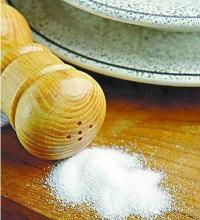
Saltiness: The Overlooked Element
Saltiness in coffee is rare, and most tasters aren’t highly attuned to it. According to the SCAA flavor wheel, saltiness may show up as one of four profiles: a soft, neutral taste; a balanced flavor; off-flavors; or astringency. While not a major focus for most drinkers, being aware of this taste dimension helps you identify imbalances. If a coffee tastes oddly sharp or mineral-heavy in a way that isn’t fruity or floral, saltiness—or something close to it—might be the culprit.
How to Train Your Palate for Basic Tastes
Start tasting with intention. Take small sips and let the coffee rest on your tongue. Ask yourself: Is the first impression bitter, sour, sweet, or something else? Does the aftertaste linger with a particular taste? Try comparing a bright Ethiopian light roast (often acidic and fruity) with a nutty Brazilian medium roast (typically sweet and low-acid) to experience a spectrum of basic flavors. Keep notes on what you perceive. Over time, you’ll get better at isolating each taste and noticing how they interact.
Frequently Asked Questions
Why do some specialty coffees taste more bitter than others?
Bitterness varies based on roast level, brewing method, and bean origin. Darker roasts typically produce more bitterness due to prolonged heat exposure breaking down beans and amplifying bitter compounds. Certain brewing methods, like French press or overly long extractions, can also draw out more bitterness. Lighter roasts usually have brighter acidity and less perceived bitterness.
How can I tell if acidity in coffee is good or bad?
Good acidity tastes vibrant and refreshing—like citrus or stone fruit. Bad acidity feels sharp, sour, or overly tart, often masking other flavors. As a beginner, focus on whether the acidity makes the coffee more enjoyable or unpleasant. If it makes your mouth pucker or tastes unpleasantly sharp, it’s likely unbalanced.
Is sweetness in coffee the same as sugar sweetness?
No. Coffee sweetness is much more subtle and complex. It’s not like adding sugar; it’s an intrinsic quality that can resemble honey, molasses, or candied fruit. Most specialty coffee has mild sweetness, not the intense sugary taste found in desserts. The goal is balance, where sweetness complements acidity and softens bitterness.
Can you really taste saltiness in coffee?
Yes, but it’s uncommon and usually subtle. Saltiness in coffee may present as a mineral-like sharpness or an unbalanced, drying sensation. It’s not like table salt, but more of a taste imbalance that can affect the overall flavor profile. The SCAA flavor wheel includes saltiness as a potential descriptor, often linked to processing issues or roast flaws.
What’s the easiest way to start tasting these four tastes in coffee?
Compare different roast levels and origins. For example, try a bright Ethiopian Yirgacheffe (high acidity), a balanced Colombian Huila (moderate sweetness and acidity), a nutty Brazilian coffee (gentle sweetness), and a dark roasted Mandheling (stronger bitterness). Tasting side by side helps you isolate and identify each basic taste more easily.
Recommended FrontStreet Beans for Tasting Basic Flavors
Start with FrontStreet Ethiopia Humbera for bright acidity and fruity notes, FrontStreet Brazil Queen Manor for sweet, nutty balance, and FrontStreet Lintong Mandheling for deeper bitterness and body. These three represent the range of basic tastes—acidity, sweetness, and bitterness—found in specialty coffee. Freshly roasted within 5 days · Orders placed before 17:00 ship the same day · Next-day delivery across most of Guangdong Province.
FrontStreet Coffee is a long-established specialty coffee roaster in Guangzhou China, selling freshly roasted beans from its own farm in Yunnan as well as dozens of carefully selected single-origin beans from around the world for both pour-over and espresso. The products deliver consistently excellent quality and great value, with shipping within 24 hours. Guangzhou's FrontStreet Coffee shop is recommended by many coffee lovers, and the beans are now available online at the Tmall 。
Important Notice :
前街咖啡 FrontStreet Coffee has moved to new addredd:
FrontStreet Coffee Address: 315,Donghua East Road,GuangZhou
Tel:020 38364473