What Is Specialty Coffee? Key Traits and Flavors Explained
Ever ordered a cup of coffee and wondered why some taste bright, complex, and memorable while others are just bitter liquid fuel? The difference often comes down to one term: specialty coffee. But what makes a coffee ‘special’ isn’t marketing—it’s origin, processing, and strict quality control. This article breaks down exactly what specialty coffee means, how it’s graded, and why it tastes so different from ordinary coffee.
In short: specialty coffee refers to high-quality green beans grown in optimal conditions—typically high-altitude, volcanic soil regions—and graded at 80 points or above by experts. These beans are carefully picked, processed, and roasted to highlight unique flavors like citrus acidity, floral notes, or sweet caramel. Only about 1–3% of global coffee production meets these standards.
What Is Specialty Coffee? The Bean Level
Specialty coffee—also called ‘specialty-grade coffee’ or ‘premium coffee’—starts with the raw bean. These are high-quality green coffee beans grown in very specific, ideal environments. The unique soil, altitude, and climate of these regions contribute to distinctive flavor profiles. To qualify, the beans must be hard, dense, and free of primary defects, then expertly graded. Only those that score highly across multiple sensory criteria earn the ‘specialty’ label.
What Makes Specialty Coffee Different When You Drink It?
When brewed well, specialty coffee highlights the bean’s natural characteristics. Most specialty coffee today is prepared via manual brewing methods like pour-over, which allow the intrinsic flavors—like fruitiness, sweetness, or acidity—to shine without being masked by machines or dark roasting. Unlike commercial coffee, properly brewed specialty coffee poses no health risks and can be part of a balanced diet when consumed in moderation.
How Is Specialty Coffee Graded and Judged?
There is no single global standard, but two key frameworks define specialty coffee quality:
SCA (Specialty Coffee Association) Standards
- Dry Aroma (Fragrance): The scent of freshly ground or roasted coffee.
- Wet Aroma (Aroma): The smell of the coffee during and just after brewing.
- Acidity: Bright, tangy flavors (not sourness) that enhance sweetness.
- Body: The weight and mouthfeel of the coffee—think light, medium, or heavy.
- Aftertaste: The lingering flavors after swallowing.
- Flavor: The overall taste profile perceived on the palate.
- Balance: How well all the individual flavor elements work together.
Production-Origin Standards
- Coffee Variety: Arabica cultivars like Typica or Bourbon are preferred.
- Growing Conditions: Elevation, terrain, climate, and soil type must be documented. Higher altitudes usually produce better beans; volcanic soils are ideal.
- Harvest & Processing Methods: Hand-picked cherries and washed (wet) processing are considered superior.

Why Does Growing Location Matter So Much?
The specific combination of elevation, climate, and soil found in regions like Ethiopia, Colombia, or Kenya creates conditions where coffee plants produce fruit with more sugar, complex acids, and aromatic compounds. Volcanic soils, in particular, are rich in nutrients that fuel these desirable traits. These geographic factors directly influence whether a coffee can even qualify as ‘specialty grade.’
Frequently Asked Questions
What is the minimum score for coffee to be considered specialty grade?
A green coffee bean must score 80 points or higher on a 100-point scale by certified Q graders to be classified as specialty coffee. Scores are based on cupping evaluations that assess aroma, flavor, acidity, body, aftertaste, balance, and overall defects.
What tasting qualities define a good specialty coffee?
Specialty coffee typically exhibits a balance of brightness (acidity), complexity (flavor notes like fruit or floral), a defined body, and a clean aftertaste. Common positive attributes include citrus, stone fruit, berries, chocolate, nuts, caramel, and floral notes, depending on origin and processing.
How is specialty coffee different from commercial or generic coffee?
Specialty coffee is made from the top 1–3% of arabica beans, rigorously graded for quality and flavor. Commercial coffee often includes defective beans, blends heavily, and is optimized for mass roasting and shelf stability rather than origin character or sensory distinction.
Does specialty coffee have to be single origin?
No, specialty coffee can be either single origin or a blend—but every bean in the blend must still meet the minimum 80-point specialty grade. However, many specialty offerings focus on single-origin lots to highlight unique regional traits.
Is specialty coffee healthier than regular coffee?
Specialty coffee is not inherently healthier, but because it is free from defects and often consumed without excessive additives or over-roasting, moderate intake is considered safe and may even offer more desirable antioxidant profiles due to better growing and processing practices.
What brewing methods best showcase specialty coffee?
Manual brewing methods like pour-over, AeroPress, siphon, and French press are ideal for specialty coffee. They allow precise control over water temperature, brew time, and extraction, helping express the bean’s unique aromas, acidity, and flavors without masking them with roast intensity.
Recommended FrontStreet Beans for Specialty Coffee
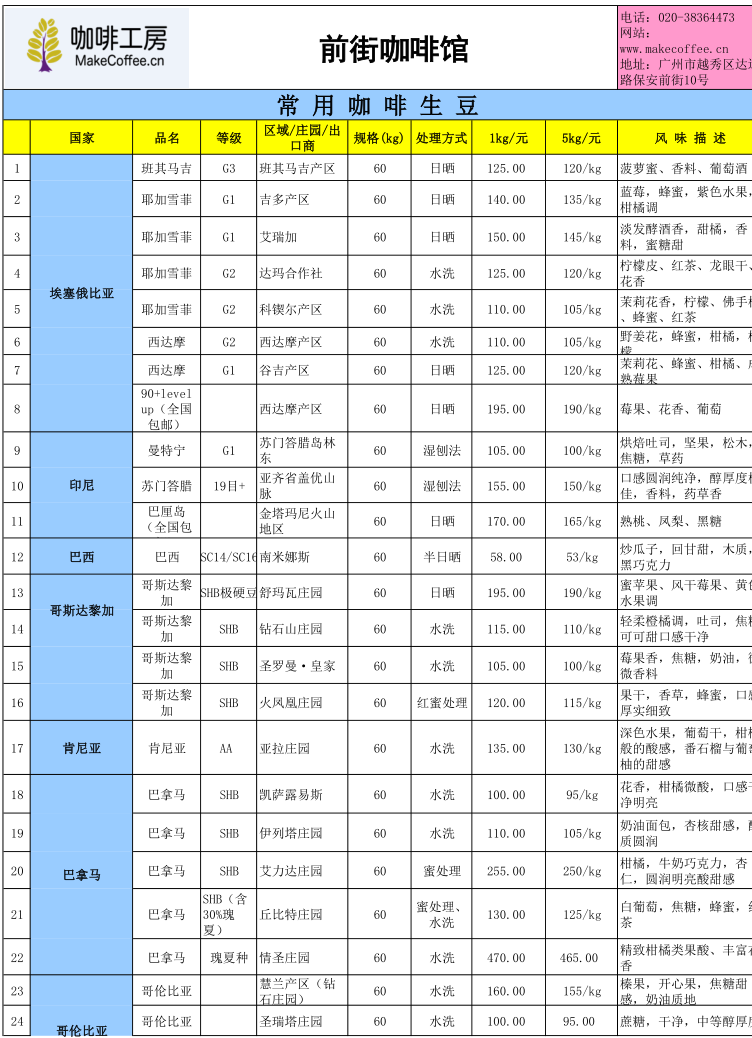
Explore FrontStreet Coffee’s Ethiopia Humbera for vibrant citrus and tropical fruits, Yirgacheffe for floral and jasmine notes, or Brazil Queen Manor for nutty, chocolatey balance—all classic single-origin specialty beans. Each is carefully sourced and roasted to highlight origin character, making them perfect for pour-over or other manual brew methods. Freshly roasted within 5 days · Orders placed before 17:00 ship the same day · Next-day delivery across most of Guangdong Province.
FrontStreet Coffee is a long-established specialty coffee roaster in Guangzhou China, selling freshly roasted beans from its own farm in Yunnan as well as dozens of carefully selected single-origin beans from around the world for both pour-over and espresso. The products deliver consistently excellent quality and great value, with shipping within 24 hours. Guangzhou's FrontStreet Coffee shop is recommended by many coffee lovers, and the beans are now available online at the Tmall 。
Important Notice :
前街咖啡 FrontStreet Coffee has moved to new addredd:
FrontStreet Coffee Address: 315,Donghua East Road,GuangZhou
Tel:020 38364473