
"Forest"
12345 article(s) found

Production and processing of coffee Sidamo guji coffee beans
At present, about 25% of the Ethiopian population directly or indirectly depends on coffee production for a living. The majority of farmers use traditional planting methods. Artificial care of coffee trees, the use of organic fertilizers, do not use harmful pesticides and herbicides, etc. Therefore, most of the coffee produced by Ethiopia is organic coffee. Due to different planting methods, coffee can be divided into forest-semi-forest coffee (Forest or semi-f).

Yega Sheffield Sun treatment Class in Ethiopia Coffee producing area Magi BenchMaji Esseobi
Ethiopia coffee producing area mainly has eight major coffee producing areas: Ekempti, Limu, Illubabor, Djimma, Harrar, Teppi/Bebeka, Sidamo, Yirgacheffe. Ethiopian coffee is highly rated in Taiwan, especially when compared with Ethiopia's Harrar, Sidamo and Yirgacheffe.

Sidamo Lion King hand Chong parameters temperature grindability Powder / Water ratio recommended Flavor and taste description
For professional baristas, please follow the coffee workshop (Wechat official account cafe_style) Ethiopian name: Ethiopia location: East African Capital: Adis Abba Addis Ababa Religion: Christian main language: Amharic time Zone: GMT+3 Metrics: metric (Metric) currency: bill Birr (1 $20 birr) Agricultural products (Export): coffee, Flowers,
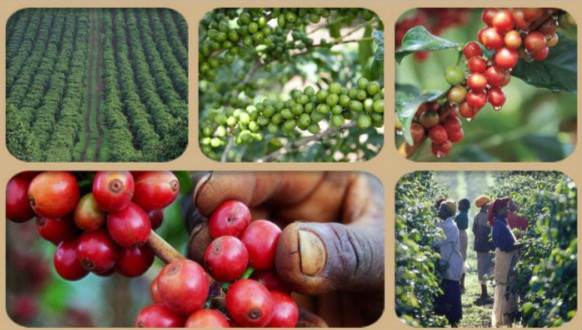
Where can I buy coffee beans online? Where can I buy coffee beans? Yega Xuefei Solar treatment of Bancimaji
1. When buying beans online, you should pay attention to the production date, shelf life, packaging and sealing, the roasting degree of coffee beans, the types of coffee beans, and your utensils to determine what kind of beans you want. If you use blue mountain beans to make ESP, it is indeed a maverick way, but it is also too unprofessional and expensive, and the taste is not very good. The production date must be at least

Characteristics of several major coffee producing areas in Ethiopia introduction of varieties describing the flavor of manor beans
Ethiopian coffee bean flavor description taste Yilu Babo (bulk commercial bean producing area): 1350-1850 above sea level | Forest / semi-forest coffee system | this area is located in the west of Ethiopia, bordering Sudan, and is the most convenient producing area in the west. the complexity of coffee gene is only lower than that in Kafa forest, and the bean grain is significantly larger than Yerjasuffi and Sidamo, with low acidity and good viscosity.

Detailed Analysis of four cultivation Systems in Coffee producing areas of Ethiopia
Forest coffee (Forest Coffee): wild coffee, which accounts for 10% of Ethiopia's national output, is distributed in the wild coffee forest areas of the west and southwest, also known as the Kafa forest. The dense trees here provide the most natural shade for coffee trees and do not need manual care. Mother Earth is in charge of birth, aging, sickness and death, and coffee farmers can go directly to the woodland to harvest. Hansen
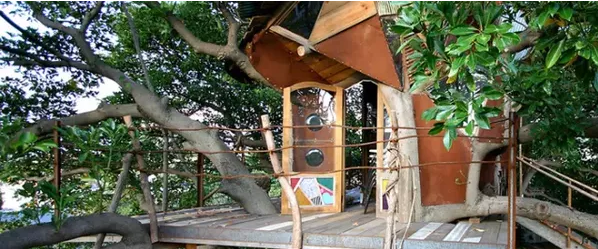
Surrounded by the aroma of forest and coffee, the seven most healed tree house coffee in Japan
When I was a child, I always fantasized about building a wooden house on a tree, which was a secret base with my friends. Even when I grow up, I still can't help yearning for the tree house. There are seven tree houses in Japan, the comfortable environment surrounded by forest trees, with a slightly bitter aroma of coffee, is the most healing. ① / Yokohama / Yokohama (Yokohama) / Yokohama (Yokohama)

Description of flavor, taste and aroma of Ethiopian Kafa sun-cured coffee beans
Professional barista communication please pay attention to the coffee workshop (Wechat official account cafe_style) is located in the most primitive forest in Ethiopia, the forest coffee beans are part of the wild forest ecology, while mountain and rainforest trees under the protection of natural growth, and litter is the best natural organic fertilizer, in the Kafa forest there are large wetlands along the steep

Ethiopian Coffee Manor Flavor Description Grind Treatment Price Taste Introduction
Currently, about 25 percent of Ethiopia's population depends directly or indirectly on coffee production for their livelihood. Farmers using traditional farming methods predominate. Artificial care of coffee trees, use organic fertilizer, do not use harmful pesticides and herbicides, etc. Most of the coffee produced in Ethiopia is organic. Coffee can be classified as Forest or Semi-Forest Coffee due to different cultivation methods.

The history, culture, stories and allusions of Banci Magi Coffee
For the exchange of professional baristas, please follow the history, culture, stories and allusions of the coffee workshop (Wechat official account cafe_style) Banchi Magi Coffee single Bean. There are mainly eight major producing areas of Ethiopian coffee: Ekempti, Limu, Illubabor, Djimma, Harrar, Teppi/Bebeka, Sidamo, Yirgacheffe. Ethiopian coffee is highly rated in Taiwan.

The Black Forest Manor in Nicaragua introduces the characteristics of coffee and the flavor of coffee beans.
Professional coffee knowledge exchange more coffee bean information please follow the coffee workshop (Wechat official account cafe_style) Nicaragua is a famous coffee producing area, coffee lovers travel to Nicaragua, will be big coffee

Description of Ethiopian Coffee Flavor with soft Fruit Acid an introduction to the characteristics of the varieties in the producing area
60% of the coffee belongs to forest-semi-forest coffee. In such a wild coffee forest, pesticides are not used at all, but biological methods are used to control pests. 35% of the coffee is courtyard coffee. In this kind of coffee garden, the planting is three-dimensional. Coffee is located in the lower layer and gets a suitable growth environment in the shade of other crops. Fertilizers are mainly fallen leaves, withered grass and animal manure. five

Banci Magi Coffee single Bean varieties, Brand recommendation and Manor introduction
For the exchange of professional baristas, please pay attention to Coffee Workshop (Wechat official account cafe_style) Banchi Magi Coffee single Bean varieties, Brand recommendation and Manor introduction-Banchi Maggie-Banchi Manor G3 is located in a small village in southwestern Ethiopia, the Gesha Mountains in the northwest is the original origin of geisha. The owner of Gashaw Farm carefully chooses mature coffee.
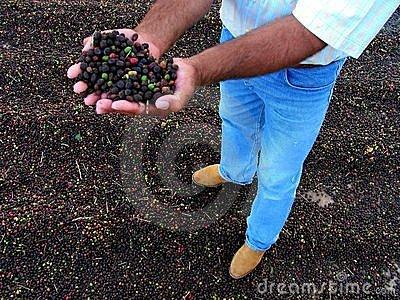
Taste description of Brazilian South Minas Coffee in Tropical Rain Forest region
Taste description of Brazilian South Minas Coffee in Tropical Rain Forest region Brazilian producing areas can also be divided into five grades according to this standard: extremely supple: South Minas, Serrado platform in the central and western part of Minas / Mojiana / Bahia Diamond Plateau in the northeast of Sao Paulo province: slightly higher in the Bahia / Minas southeast forest / Parana / Espiritu (hills) / S ã o Paulo

The difference, distinction and award-winning situation of single bean of Bankimaji coffee
For the exchange of professional baristas, please pay attention to the difference, distinction and award-winning situation of individual beans in coffee workshop (Wechat official account cafe_style). There are mainly eight major producing areas of Ethiopian coffee: Ekempti, Limu, Illubabor, Djimma, Harrar, Teppi/Bebeka, Sidamo and Yirgacheffe. Ethiopian coffee is highly rated in Taiwan.

Classification, price, raw beans and baking curve of single bean of Bankimaji coffee
The exchange of professional baristas please pay attention to the coffee workshop (Wechat official account cafe_style) Banqi Maggie coffee single bean classification, price, raw beans and baking curve this batch is the sun class its Maggie Bebeca estate geisha is a plantation coffee, is a very rare single manor. G3 is the highest grade of the old sun, Bankimaji (Bench Maji)

What are the coffee producing areas of Ethiopian coffee forest? Harald coffee producing area of Ethiopia
Professional coffee knowledge exchange more coffee bean information please follow the coffee workshop (Wechat official account cafe_style) what are the coffee forest coffee producing areas in Ethiopia? Description of the flavor and taste of Harald coffee beans in Ethiopia coffee producing area? The coffee producing area of Ethiopia is divided into east and west walls by the East African Rift Valley, which evolves separately. West Ethiopia: Lake Tana (Lake

Description of Bankimaji single-product Bean Flavor introduction to the manor of the planting and development history of the producing area
There are eight major coffee producing areas in Ethiopia: Ekempti, Limu, Illubabor, Djimma, Harrar, Teppi/Bebeka, Sidamo and Yirgacheffe. Ethiopian coffee is highly rated in Taiwan, especially for Ethiopian Harrar, Sidamo and Yirgacheffe.

Background story of coffee manor in Rosa Village how much is a cup of coffee in Rose Village
Professional coffee knowledge exchange more coffee bean information please follow the coffee workshop (Wechat official account cafe_style) the best and most original coffee-Gesha Village Rosa Village Coffee Manor background story Gesha Village trip began in 2007, when Mr. Adam Overton and Miss Rachel Samuel were making information about Ethiopian coffee for the Ethiopian government.

The introduction of the nine boutique producing areas in Ethiopia, the parameters of the Lion King hand Chong in Xidamo
Ethiopian name: Ethiopia location: East African Capital: Adis Abba Addis Ababa Religion: Christian main language: Amharic time Zone: GMT+3 Metrology: metric (Metric) currency: bill Birr (1 $20 birr) Agricultural products (export): coffee, flowers, sesame are the main cash crops export port: Djibouti, now