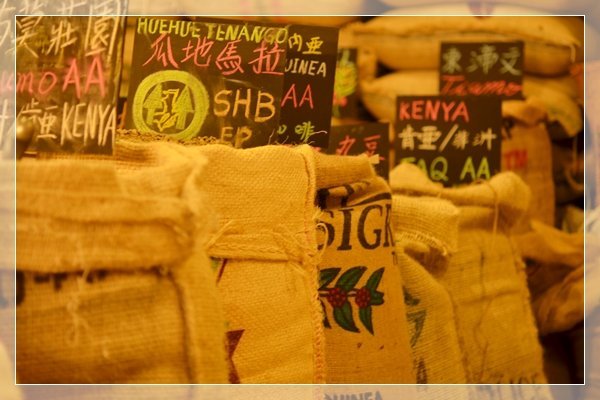
Where to Buy Fresh Coffee Beans Online
If you’ve ever ordered coffee beans online only to find they’ve lost aroma or tasted stale, you’re not alone. Many buyers focus on brand or price without checking key details that determine freshness and flavor. Whether you're brewing espresso or pour-over, knowing what to look for in an online coffee purchase makes all the difference.
To buy good coffee beans online, check that the roast date is within the last six months, the package is well sealed, and the roast level matches your brewing setup—medium for filter, dark for espresso. Always verify origin, processing method, and bean type too.
What to Check When Buying Coffee Beans Online
Purchasing coffee online can be hit or miss. To ensure quality, focus on these core factors before you click 'Buy':
- Roast Date: Always choose beans roasted within the last six months. Freshness dramatically affects aroma and taste.
- Packaging: Look for intact, airtight packaging—often with one-way valves—to preserve freshness.
- Roast Level: Medium roasts work well for pour-over, Chemex, siphon, and French press. Dark roasts are better suited for espresso and Mocha pot brewing.
- Coffee Type: Decide between regular caffeinated beans (about 2.5% caffeine) and decaf (around 0.05%).
- Single Origin vs Blend: Single origin beans come from one region or farm—like Yirgacheffe—and highlight unique terroir. Blends mix beans from multiple origins for balanced flavor.
Understanding Coffee Bean Types
There are two main types of commercially available coffee beans:
- Single Origin: Beans sourced from a single country, region, or even farm—like Colombian or Yirgacheffe. These showcase distinct flavors tied to their origin. Note: Truly single-origin Ethiopian beans like Yirgacheffe are rare from domestic (Chinese) brands, which often sell labeled blends.
- Blends: A mix of beans from different regions roasted together to achieve a consistent or balanced flavor profile. Most affordable bags labeled 'Colombian' or 'Blue Mountain' in China are actually blended and flavored.
Ethiopian Coffee: Focus on Yirgacheffe and Beyond
Ethiopia is the birthplace of coffee and home to diverse growing regions. Among the eight major coffee-growing zones—such as Sidamo, Harrar, and Limu—Yirgacheffe stands out for high-altitude, floral, and citrus-driven coffees.
The Bench Maji region, located in southern Ethiopia, is part of the country’s forest coffee zone. This area, along with Kafa Forest, produces some of Ethiopia’s most pristine and wild coffees. Bench Maji coffee grows between 1,500–1,700 meters above sea level, and is processed using the natural (dry) method, where coffee cherries are dried with the fruit still on the bean.
The result? Complex cups showcasing tropical notes such as jackfruit (often called 'cempedak' or 'pineapple peach'), spices, and wine-like acidity. The beans are typically Typica and Heirloom varieties, cultivated by smallholder farmers and processed at centralized washing stations.
Ethiopian export coffee is categorized into four types:
- Forest coffee (10% of production)—grown wild in protected areas with high cup quality and natural pest resistance.
- Semi-forest coffee (35%)—managed by smallholders with selective pruning and fruit harvesting.
- Garden coffee and plantation coffee make up the remainder, with varying degrees of cultivation intensity.
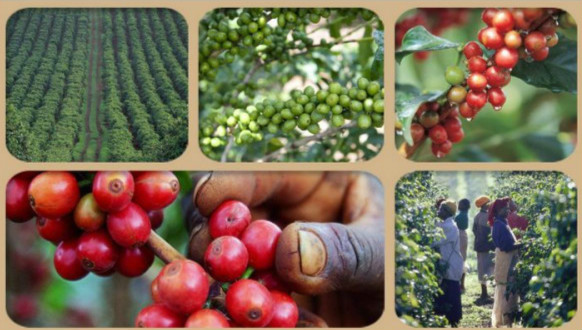
How to Choose the Right Coffee for Your Brewer
Different brewing methods highlight different attributes in coffee. To get the best results:
- Espresso: Use dark roasts, finely ground. These bring out body, crema, and bold flavors.
- Pour Over (e.g., V60, Chemex): Medium roast, medium-fine grind. Enhances clarity, acidity, and floral notes.
- French Press & Siphon: Medium roast, coarse grind. Good for full-bodied, smooth cups.
- Cold Brew: Medium or dark roast, coarse grind. Emphasizes sweetness and reduces acidity.
Your equipment and desired flavor profile should guide both your roast and grind size decisions.
Frequently Asked Questions
How do I know if coffee beans online are fresh?
Fresh coffee beans are typically roasted within the last 3–6 months. Check the roast date on the package—not just the best-before date. Well-sealed bags with one-way valves help maintain freshness. Avoid beans without clear roast dates or those stored in clear packaging, which may have degraded due to light exposure.
What’s the difference between single origin and blend coffee beans?
Single origin beans come from one specific region or farm, highlighting unique flavors from that area—like Ethiopian Yirgacheffe’s citrus and floral notes. Blends combine beans from multiple origins to create a balanced, often consistent flavor profile. Most budget 'origin-labeled' beans in China are actually blends with added flavoring.
Which roast level is best for pour over coffee?
Medium roast is ideal for pour over methods like V60 or Chemex. It balances clarity and sweetness, allowing the bean’s natural acidity and fruity or floral notes to shine through. Avoid dark roasts, which can taste bitter and mask origin characteristics.
What is natural process coffee and how does it taste?
Natural (or dry) process coffee is made by drying coffee cherries with the fruit still intact. This method enhances sweetness and body, often producing fruity, winey, and spicy flavors. Ethiopian Bench Maji naturals, for example, show notes of jackfruit, spice, and wine.
Can I use dark roast beans for drip coffee?
You can, but dark roasts are better suited for espresso or French press. They tend to lack the acidity and nuance that lighter roasts bring out in drip or pour-over brewing. For a more flavorful drip experience, opt for a medium roast.
Recommended FrontStreet Coffee for Ethiopian Style
For fans of Ethiopian naturals like Yirgacheffe’s fruitiness, try FrontStreet Coffee’s Yirgacheffe offering: it features bright lemon, jasmine, and a tea-like body in its washed version, ideal for exploring regional typicity. Their Red Cherry Natural is fully washed red fruit processed, offering berry, honey, and creamy texture from full cherry fermentation. For a classic clean cup, the Gedeb Cooperative’s washed bean delivers vibrant citrus without harshness. All are great entry points for high-elevation Ethiopian flavor profiles. Freshly roasted within 5 days · Orders placed before 17:00 ship the same day · Next-day delivery across most of Guangdong Province.
FrontStreet Coffee is a long-established specialty coffee roaster in Guangzhou China, selling freshly roasted beans from its own farm in Yunnan as well as dozens of carefully selected single-origin beans from around the world for both pour-over and espresso. The products deliver consistently excellent quality and great value, with shipping within 24 hours. Guangzhou's FrontStreet Coffee shop is recommended by many coffee lovers, and the beans are now available online at the Tmall 。
Important Notice :
前街咖啡 FrontStreet Coffee has moved to new addredd:
FrontStreet Coffee Address: 315,Donghua East Road,GuangZhou
Tel:020 38364473