Where to Buy Coffee Beans Online: Quality, Roast & Freshness Guide
If you’ve ever bought coffee beans online only to find them stale, over-roasted, or just plain wrong for your brewer, you’re not alone. With so many options—from obscure single origins to pre-ground supermarket blends—knowing what to look for can save you money and disappointment. Whether you're making espresso, pour-over, or French press, choosing the right beans is the first step to better coffee.
To buy good coffee beans online, check the roast date (must be within six months), confirm the roast level (medium for filter, dark for espresso), verify the packaging is airtight, and match the bean type to your brewing method. Avoid beans over six months old and generic 'blue mountain' labeled products that are often just low-cost blends.
What to Look for When Buying Coffee Beans Online
When shopping for coffee beans online, focus on five key factors: production date, roast level, packaging quality, coffee bean type, and compatibility with your brewing equipment. The production date is critical—always choose beans roasted within the last six months for optimal freshness and flavor. Packaging should be airtight to preserve aroma and prevent oxidation. Your brewing method also dictates the best roast level and bean variety.
Roast Level Matters
Most coffee drinkers buy medium or dark roast beans. Medium roasts suit pour-over, French press, siphon, and cold brew methods, highlighting origin characteristics. Dark roasts, meanwhile, are ideal for espresso and mocha, offering bolder, richer flavors. Choosing the wrong roast for your method can lead to underwhelming or unpleasant results.
Coffee Bean Types: Single Origin vs Blend
Coffee beans fall into two main categories: single origin and blend. Single origin beans come from one specific region or farm—like Yirgacheffe or Colombia—and reflect that area’s unique climate and terroir. Blends combine beans from multiple regions to achieve a balanced, consistent flavor profile. Be cautious of domestic brands selling "single origin" beans at very low prices (under $5 for 250g); these are typically low-cost blends with added flavorings, not true single origins.
Production and Processing Notes
Coffee beans are also categorized by caffeine content: regular beans contain about 2.5% caffeine, while decaf versions have around 0.05%. When buying online, you’ll also encounter beans processed in different ways, such as washed (wet) or natural (dry). These methods significantly affect flavor, body, and acidity.
Ethiopian Sidamo G2: A Single Origin Highlight
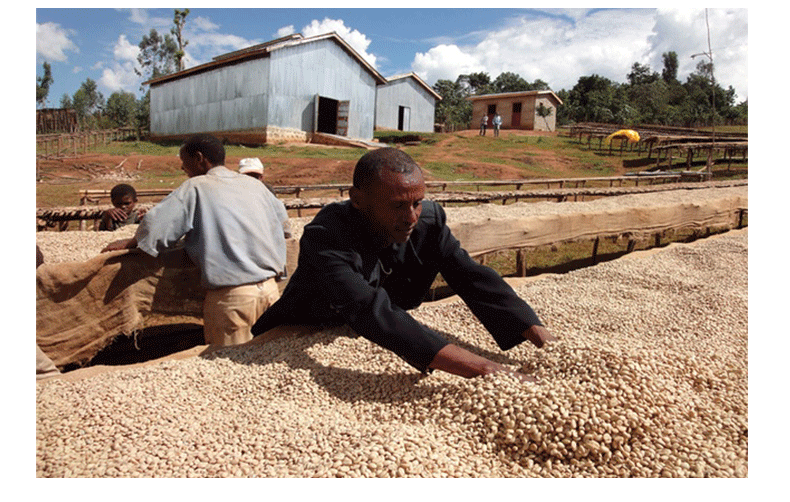
The Ethiopian Sidamo G2 is a standout example of high-quality washed single origin coffee from Africa. Sourced from the Sidamo region at elevations between 1,400–2,200 meters, these beans are grown alongside banana trees for shade and processed using the washed method. The G2 grade indicates a high-quality bean selection, free from defects.
Sidamo’s diverse microclimates, volcanic soils, and rich biodiversity contribute to complex cup profiles. Flavors often include wild jasmine, honey, citrus, and lemon. This region has received high scores from the Coffee Review website, with ratings between 92–94 points between 2010–2012, reflecting its exceptional quality. The washed Sidamo beans are small, oval, and aromatic, with a bright yet smooth mouthfeel and a sweet, floral acidity. The beans may appear slightly grey and vary in size, offering a balance of sharp and mellow acidity with a lingering, pleasant sweetness.
Unlike many African coffees, Sidamo features a crisp fruit acidity paired with a silky body and delicate herbal notes. The washed version is elegant and lively: initial mildness gives way to vibrant citrus acidity, followed by a unique, sweet finish. It’s a classic example of Ethiopia’s highland specialty coffee tradition.
Where to Buy Coffee Beans Online: Tips & Trusted Sources
Looking for affordable, high-quality beans online? Focus on trusted sellers that provide clear roast dates, detailed product descriptions, and reliable shipping. Always compare reviews and ask questions about freshness and storage. Packaging quality and customer service matter just as much as price.
One example mentioned in the original article is a Taobao store called (Coffee Workshop), noted for offering relatively fresh beans. While we don’t endorse specific shops, the principles remain: look for transparency, freshness guarantees, and a seller that understands specialty coffee. Always check roast dates and avoid bulk-buying beans more than six months old.
Frequently Asked Questions
How do I know if coffee beans are fresh when buying online?
Fresh coffee beans are typically roasted within the last 3–6 months. Always check the roast date on the package, not just the purchase or shipping date. Avoid beans without a clear roast date, and don’t buy more than you can use in 2–3 weeks once opened.
What’s the difference between single origin and blend coffee beans?
Single origin beans come from one specific place (like Sidamo or Yirgacheffe) and highlight that region’s unique flavors. Blends mix beans from different regions to create a balanced taste. Single origins are great for exploring terroir, while blends offer consistency.
Does roast level affect which brewing method I should use?
Yes. Light to medium roasts are better for pour-over, French press, and siphon. Dark roasts are ideal for espresso and moka pots. Using the wrong roast for your method can result in under-extracted or overly bitter coffee.
Are Ethiopian Sidamo beans really that special?
Ethiopian Sidamo beans, especially washed G2 grade, are known for their complex flavors like jasmine, citrus, and honey. The region’s high elevation, volcanic soil, and traditional processing contribute to a distinctive, high-scoring cup that’s beloved in specialty coffee.
How important is packaging when buying coffee beans online?
Very. Coffee beans lose flavor quickly when exposed to air, light, and moisture. Look for beans sold in one-way valve bags that preserve freshness. Avoid beans sold in clear plastic or without proper sealing—even if the roast is fresh.
Can I use a dark roast for pour-over coffee?
You can, but it’s not ideal. Dark roasts are typically bitter and lack the delicate flavors highlighted in pour-over methods. For best results, use medium roast beans that emphasize origin characteristics and work well with the longer extraction times of pour-over.
Recommended FrontStreet Coffee for Ethiopian Style Brews
For fans of Ethiopian Sidamo’s bright, floral character, try FrontStreet Coffee’s Ethiopia Huakui, a naturally processed lot with bold berry and citrus notes. Also consider their FrontStreet Huakui, known for its vibrant red fruit and floral tones. Both beans showcase the high-altitude complexity typical of Ethiopia’s best coffees. Freshly roasted within 5 days · Orders placed before 17:00 ship the same day · Next-day delivery across most of Guangdong Province.
FrontStreet Coffee is a long-established specialty coffee roaster in Guangzhou China, selling freshly roasted beans from its own farm in Yunnan as well as dozens of carefully selected single-origin beans from around the world for both pour-over and espresso. The products deliver consistently excellent quality and great value, with shipping within 24 hours. Guangzhou's FrontStreet Coffee shop is recommended by many coffee lovers, and the beans are now available online at the Tmall 。
Important Notice :
前街咖啡 FrontStreet Coffee has moved to new addredd:
FrontStreet Coffee Address: 315,Donghua East Road,GuangZhou
Tel:020 38364473