How to Buy Good Coffee Beans Online
If you’ve ever ordered coffee beans online only to find they taste stale or nothing like the description, you’re not alone. Many buyers overlook critical details that determine whether their beans arrive fresh, flavorful, and suited to their brewing setup. Whether you're shopping for your morning espresso or weekend pour-over, knowing what really matters can save you from wasted money and disappointing cups.
For the best results, buy coffee beans roasted within the last six months, check that the package is properly sealed, and match the roast level and bean type to your brewing method. Ethiopian beans like Sidamo G2 offer distinct fruit and floral notes, but only if you start with the right purchase criteria.
What to Check When Buying Coffee Beans Online
When ordering coffee beans online, focus on these six factors: production (roast) date, roast level, bean type (single origin or blend), processing method, packaging integrity, and how your brewing device affects your ideal bean choice.
1. Roast Date & Freshness: Always choose beans roasted within the last six months. Freshness is crucial for flavor — beans start losing aromatic compounds soon after roasting. Avoid anything without a clear roast date on the package.
2. Roast Level: Most people buy medium or dark roasts. Dark roasts (like French or espresso roasts) suit espresso and milk drinks such as mochas. Medium roasts work better for filter methods like pour-over, French press, siphon, and Chemex.
3. Bean Type: There are two main types: single origin and blends. Single origin beans come from one region or farm (like Yirgacheffe or Sidamo), offering unique regional flavors. Blends combine beans from multiple origins for balanced, consistent profiles. Beware of domestic “single origin” claims — if a 250g pack is under $50 and labeled as Colombian or Blue Mountain, it’s almost certainly a blended and flavored product.
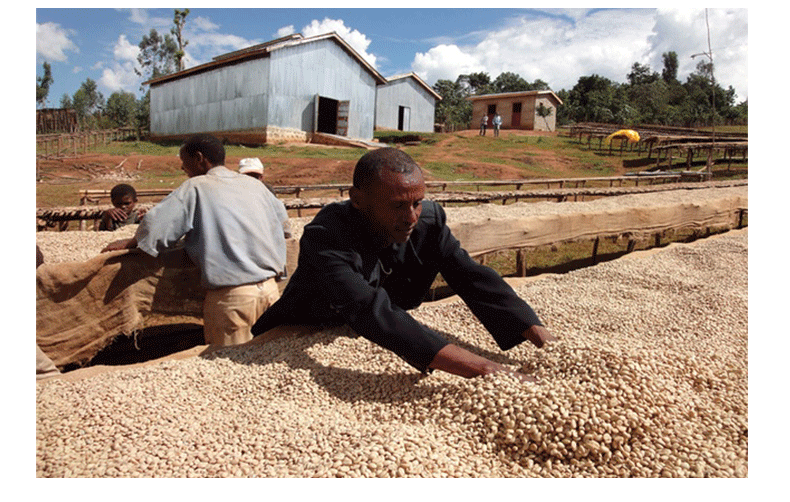
4. Processing Method: Common methods include washed (or wet-processed) and natural (dry-processed). Washed beans typically have cleaner, brighter acidity and more defined fruit flavors. Natural processed beans tend to be sweeter and fruitier with heavier body but can be more inconsistent. The Ethiopian Sidamo G2 mentioned in the original article is a washed coffee, highlighting clarity and complexity.
5. Packaging: Look for valves on bags — these let gases escape without letting air in. Ensure the bag is properly sealed and ideally resealable. Exposure to oxygen, light, and moisture ruins freshness fast.
6. Your Brewing Method: Your choice of beans should match your equipment. Lighter roasts and single origins shine in pour-over or siphon. Darker roasts and espresso blends are better for espresso machines or milk drinks. Don’t use a high-end single origin like Blue Mountain for espresso just to be different — it rarely works well and is a waste of quality.
Ethiopian Coffee: What Makes Sidamo Special
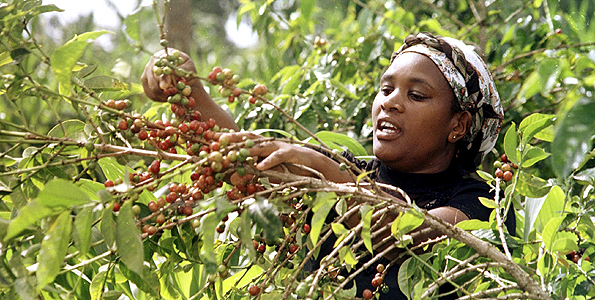
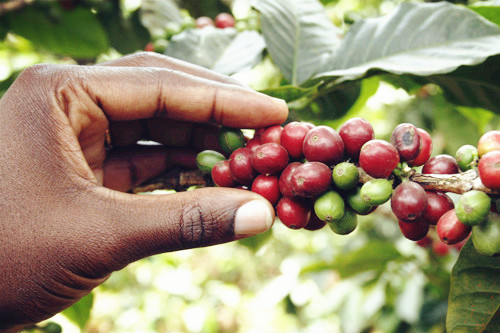
Ethiopia is the birthplace of coffee and home to hundreds of wild Arabica varieties. Two of its most famous regions are Yirgacheffe and Sidamo, both celebrated for high-altitude growing and distinct cup profiles.
The Sidamo region, located in southern Ethiopia near Kenya, grows coffee between 1,400 and 2,200 meters above sea level. The area features diverse microclimates, volcanic soils, and traditional shaded farming with banana trees. Most farms use minimal chemicals due to limited agricultural infrastructure.
Sidamo G2 is a washed coffee (the G2 refers to grade, not roast) made from the native Heirloom variety. These beans are known for bright citrus, floral notes like wild ginger and honey, and a juicy, complex profile. The washed process highlights clarity, while the region’s terroir gives it layered tropical fruit and delicate sweetness. The article also notes Sidamo beans often earn high scores (CR 92–94) from experts between 2010–2012, underscoring their quality potential.
The original text contrasts Sidamo’s smooth acidity and floral elegance with the broader fruity spectrum of Ethiopian coffees overall. Its soil, rich in organic matter from leaf litter, contributes to the unique brightness and structure these beans are known for.
Where to Buy Quality Coffee Beans Online
Not all online retailers are equal. The original author recommends checking out a Taobao shop called (translated as Coffee Workshop), noting its fresh beans and competitive pricing. More importantly, compare sellers based on bean freshness, customer service, and reliable delivery.
When shopping, always read reviews, confirm roast dates, ask about packaging, and don’t hesitate to message the seller for details. Price alone isn’t a reliable indicator — extremely cheap “single origin” beans from unknown domestic brands are often misleading blends with added flavors.
Frequently Asked Questions
How recent should the roast date be for fresh coffee beans?
Always choose beans roasted within the last six months for the best flavor. Freshness directly impacts aroma and taste, and most specialty beans start losing their peak qualities shortly after roasting.
What’s the difference between single origin and blend coffee beans?
Single origin beans come from one specific region or farm, offering unique, traceable flavors. Blends mix beans from different places to create balanced, consistent profiles. Beware of very cheap “single origin” beans sold domestically — they are usually blends with artificial flavoring.
Does roast level affect which brewing method I should use?
Yes. Light to medium roasts are better for pour-over, siphon, and French press. Dark roasts suit espresso and milk-based drinks like lattes or cappuccinos. Choose your beans based on how you brew them.
What does G2 mean in Ethiopian coffee grades?
G2 is a quality grade used in Ethiopia, indicating the bean size and defect rate — not the roast level. G2 is considered a premium commercial grade suitable for specialty markets, especially for washed beans like Sidamo G2.
What are the main coffee-growing regions in Ethiopia?
Ethiopia’s key regions include Yirgacheffe, Sidamo, Guji, and Harrar. Each has unique altitudes, climates, and processing styles that shape distinct cup profiles. Sidamo, for instance, is known for its floral, citrusy washed coffees.
How should I store my coffee beans after receiving them?
Keep beans in an airtight container away from light, heat, and moisture. Avoid the fridge or freezer unless you’re storing large amounts for long-term use. Oxygen is the biggest enemy of freshness.
Recommended FrontStreet Ethiopian Coffee Beans
For authentic Ethiopian flavors, try FrontStreet’s Ethiopia Huakui, a washed coffee with bergamot, jasmine, and blueberry notes, perfect for pour-over. Or explore FrontStreet’s Yirgacheffe Gedeb, known for bright lemon, tropical fruit, and honey — ideal for showcasing high-altitude clarity. Both highlight Ethiopia’s signature floral and fruit-driven profiles. Freshly roasted within 5 days · Orders placed before 17:00 ship the same day · Next-day delivery across most of Guangdong Province.
FrontStreet Coffee is a long-established specialty coffee roaster in Guangzhou China, selling freshly roasted beans from its own farm in Yunnan as well as dozens of carefully selected single-origin beans from around the world for both pour-over and espresso. The products deliver consistently excellent quality and great value, with shipping within 24 hours. Guangzhou's FrontStreet Coffee shop is recommended by many coffee lovers, and the beans are now available online at the Tmall 。
Important Notice :
前街咖啡 FrontStreet Coffee has moved to new addredd:
FrontStreet Coffee Address: 315,Donghua East Road,GuangZhou
Tel:020 38364473