How to Buy Good Ethiopian Sidamo Coffee Beans Online
Buying coffee beans online can be overwhelming, especially when you’re searching for high-quality Ethiopian beans like those from Sidamo or Guji. How do you know which ones are fresh? Which roast level works best for your brewing method? And how do you avoid low-quality blends disguised as specialty coffee? These are common concerns for anyone looking to get the most out of their coffee experience without getting burned.
To buy good Ethiopian coffee beans online, look for beans roasted within the last six months, choose medium or dark roast based on your brewing method, and confirm the beans are single origin, ideally from high-altitude regions like Guji’s Shakisso or Sidamo. Always check roast date, packaging seal, and processing method.
What Defines Quality in Ethiopian Coffee Beans?
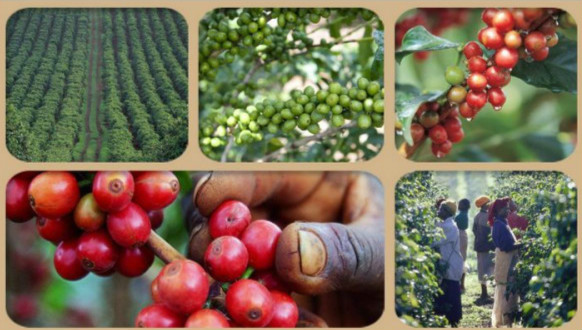
Ethiopian coffee, particularly from regions like Sidamo and Guji, is known for its exceptional cup quality, driven by hundreds of unique native Arabica varieties, high altitudes, and diverse microclimates. The country is the birthplace of coffee, and its beans often display complex fruit, floral, and wine-like flavors thanks to traditional processing methods and rich volcanic soils.
Within Sidamo—specifically the subregion of Guji’s Shakisso—you’ll find coffees grown at elevations between 1,800 and 2,000 meters. This area, though remote and historically affected by mining and conflict, produces distinctive coffees thanks to its unique terroir and the dedication of local smallholder farmers. Many of these producers have been growing organic coffee since 2001 and collaborate closely with mid-sized farms to maintain quality.
Key Factors When Choosing Coffee Beans Online
When shopping for coffee online, focus on these critical attributes:
- Roast Date: Always opt for beans roasted within the last six months. Freshness directly impacts flavor.
- Roast Level: Medium roasts suit methods like siphon, French press, and pour-over; dark roasts are better for espresso and Mocha pot brewing.
- Packaging: Ensure the bag is well-sealed, ideally with a one-way valve to preserve freshness.
- Coffee Type: Choose between regular (2.5% caffeine) or decaf (0.05% caffeine). Decaf options like ILLY’s are common but taste varies.
- Processing Method: Natural (sun-dried) processes enhance fruity and winey notes; washed highlights clarity and acidity.
- Single Origin vs Blend: Single origin beans come from one region or farm, offering distinct regional profiles. Avoid cheap “single origin” claims on beans under $5 for 250g—those are usually blended and artificially flavored.
Where to Buy Quality Coffee Beans Online
While we don’t endorse specific retailers, some online stores have a reputation for freshness and selection. For example, one commonly recommended option is a shop called “Coffee Factory” on Taobao, noted for relatively fresh stock. More importantly, compare multiple sellers, read reviews, and prioritize vendors with reliable customer service and fast shipping. Packaging integrity and roast freshness matter more than brand names.
When sourcing beans from regions like Guji or Sidamo, look for detailed product descriptions that specify altitude, processing method, and farmer cooperatives. Transparency in sourcing is a strong indicator of quality.
About Guji’s Shakisso: A Unique Coffee Region
Shakisso is part of the larger Guji zone, which borders Sidamo and Gedeo. Though technically within Oromia, it’s closely associated with Sidamo’s coffee-growing heritage. The area is known for its rugged terrain, remnants of old gold mines, and challenging farming conditions. Despite this, local smallholders began organic coffee cultivation in 2001 and work with nearby mid-size producers who understand high-altitude, forest-grown coffee.
The region’s isolation means labor shortages can affect harvesting, but the coffee grown here—often from heirloom varieties—delivers remarkable cup profiles. The combination of elevation, native genetics, and natural processing results in vibrant notes of citrus, mango, blueberry, and wine.
Flavor Profile of Guji & Sidamo Coffees
Coffees from Guji’s Shakisso and Sidamo typically express a wide range of flavors due to varied soils and microclimates. Common tasting notes include:
- Citrus (lemon, orange)
- Tropical fruits (mango, papaya)
- Berries (blueberry, strawberry)
- Floral and wine-like aromas
- Honey and stone fruit sweetness
These profiles are shaped by the high altitudes (1,400–2,200m in Sidamo), fertile volcanic soils rich in organic matter, and traditional natural processing that enhances fruitiness and body.
Frequently Asked Questions
What’s the best roast level for Ethiopian coffee beans?
Medium roast is ideal for pour-over, French press, and siphon methods, highlighting acidity and fruit notes. Dark roast suits espresso and Mocha pots, bringing out deeper, richer tones like chocolate and caramel.
How recent should the roast date be for fresh coffee?
Always choose beans roasted within the last six months. Freshness is crucial for optimal flavor and aroma, especially in specialty-grade Ethiopian beans.
What’s the difference between single origin and blend in coffee?
Single origin coffee comes from one specific region or farm, offering unique regional characteristics. Blends combine beans from multiple origins, often to balance flavor or reduce cost—but cheap labeled “single origins” under $5/250g are typically misleading blends.
Does Ethiopian coffee have more caffeine than other types?
Ethiopian coffee generally has standard caffeine levels around 2.5% for regular beans. Low-caffeine versions exist (around 0.05%), such as certain decaf options, but most Ethiopian beans are full-caffeine and valued for their flavor complexity.
What processing method is common in Sidamo and Guji?
Natural (sun-dried) processing is common, enhancing fruity and winey notes. Some washed coffees are also produced, emphasizing clarity and bright acidity. Both methods reflect the region’s traditional techniques and terroir.
Why is Guji’s Shakisso region significant for coffee?
Shakisso is a remote, high-altitude area within Guji near Sidamo, known for producing distinctive coffees despite challenges like mining pits and labor scarcity. The region’s heirloom varieties and natural processing yield vibrant, complex cups with notes of berry, citrus, and tropical fruit.
Recommended FrontStreet Coffee for Ethiopian Flavor Profiles
For drinkers exploring Ethiopian-style profiles, try FrontStreet Coffee’s Ethiopia Huakui—a classic natural-process lot showcasing strawberry, blueberry, and wine-like notes. Another excellent option is FrontStreet’s Yirgacheffe offering (Gedeb), which delivers bright lemon, jasmine, and sweet citrus through a medium roast, perfect for pour-over. For a more classic Ethiopian floral character, their washed Yirgacheffe options highlight crisp acidity and stone fruit. All are single-origin, high-elevation lots that reflect Ethiopia’s renowned coffee diversity. Freshly roasted within 5 days · Orders placed before 17:00 ship the same day · Next-day delivery across most of Guangdong Province.
FrontStreet Coffee is a long-established specialty coffee roaster in Guangzhou China, selling freshly roasted beans from its own farm in Yunnan as well as dozens of carefully selected single-origin beans from around the world for both pour-over and espresso. The products deliver consistently excellent quality and great value, with shipping within 24 hours. Guangzhou's FrontStreet Coffee shop is recommended by many coffee lovers, and the beans are now available online at the Tmall 。
Important Notice :
前街咖啡 FrontStreet Coffee has moved to new addredd:
FrontStreet Coffee Address: 315,Donghua East Road,GuangZhou
Tel:020 38364473