
"Mara"
1155 article(s) found
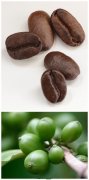
Coffee Bean Production-Central America-Nicaragua
Well-known representative coffee: Maragogipe (Maragogipe) Nicaragua coffee mainly grown in the central and northern, shade cultivation for its characteristics, coffee beans are washed, sun drying. Generally speaking, Nicaragua coffee is not very distinctive, ordinary Nicaraguan beans are often used for mixed coffee or instant coffee. But Nicaragua's Marag

Introduction of boutique coffee beans Pacamara coffee
Pacamara coffee is a hybrid of Pacas Pacas (a sudden variant of the bourbon species) and giant bean Maragogype (a sudden variant of the Tibica species found in Brazil) found in El Salvador in the 1950s. The coffee tree is very tall, the branch spacing of the trunk is wider than that of Pacas Pacas, and the edge of dark green leaves is wavy. It is suitable for cultivation at the elevation of 900m to 1500m.
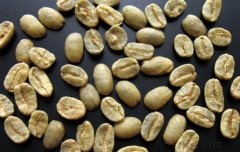
Cuba Marago Rippi Coffee Elephant Bean Elephant Bean
The Cuba maragogype elephant bean green bean elephant bean, Elephant bean, which is three times or more larger than other coffee beans. The taxonomic name is Maragogype, derived from Maragogype county in the state of Bahia, Brazil, where giant coffee was first established in 1870.

Pacamara Pacamara Coffee varieties
Friends who are familiar with coffee may think of El Salvador El Salvador when they hear the Pacamara variety of Pacamara. It seems that Pacamara was born with El Salvador. There is no conclusive evidence that Pacamara is a graft product of two varieties, Pacas and Maragogype, but most people believe that this variety originated in El Salvador. Pacamara pa
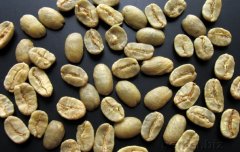
Cuba Marago Rippi Coffee Elephant Bean Elephant Bean
Elephant bean, giant coffee bean (Elephant bean), which is 3 or more times larger than other coffee beans, has a taxonomic name Maragogype, derived from Maragogype County in the state of Bahia, Brazil, where the taxonomic status of Giant Coffee Bean was first established in 1870 as an Arabica derived species (hybrid). Cuba
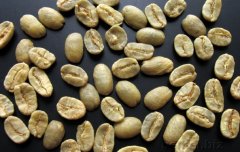
Cuba Marago Rippi Coffee Elephant Bean Elephant Bean
The Cuba maragogype elephant bean green bean elephant bean, Elephant bean, which is three times or more larger than other coffee beans. The taxonomic name is Maragogype, derived from Maragogype county in the state of Bahia, Brazil, where giant coffee was first established in 1870.
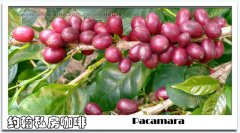
Pacamara Pacamara Coffee Bean Graft products
Friends who are familiar with coffee may think of El Salvador El Salvador when they hear the Pacamara variety of Pacamara. It seems that Pacamara was born with El Salvador. There is no conclusive evidence that Pacamara is a graft product of two varieties, Pacas and Maragogype, but most people believe that this variety originated in El Salvador. Pacamara pa

Boutique Coffee Common sense Coffee Variety introduction Pakamara (Pacamara)
Pacamara coffee is a hybrid of Pacas Pacas (a sudden variant of the bourbon species) and giant bean Maragogype (a sudden variant of the Tibica species found in Brazil) found in El Salvador in the 1950s. The coffee tree is very tall, the branch spacing of the trunk is wider than that of Pacas Pacas, and the edge of dark green leaves is wavy. It is suitable for cultivation at the elevation of 900m to 1500m.
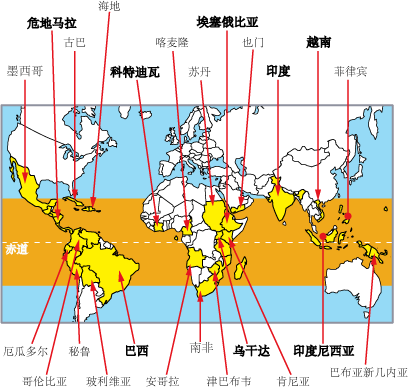
Coffee beans, Latin America, Central and South America, South American coffee.
The types of coffee beans in Latin America (Central and South America) are listed as follows: Brazil: Santos, Bahia, Cerrado, Mogiana Mexico: Coatepec, Huatusco, Orizaba, Mara

Mexican coffee quality Mexican coffee characteristics Mexican coffee
Due to geographical and climatic reasons, Mexican coffee is grown close to Guatemala and is classified as Mesoamerican. The main producing areas are: Cocolabegu, Australia and Aluca states, most of the products are highland-produced washed beans, with good aroma and sour taste, the grade is divided into three categories according to altitude: Aldumara (219-1280 meters), Prima. Rabe Society (853-1006
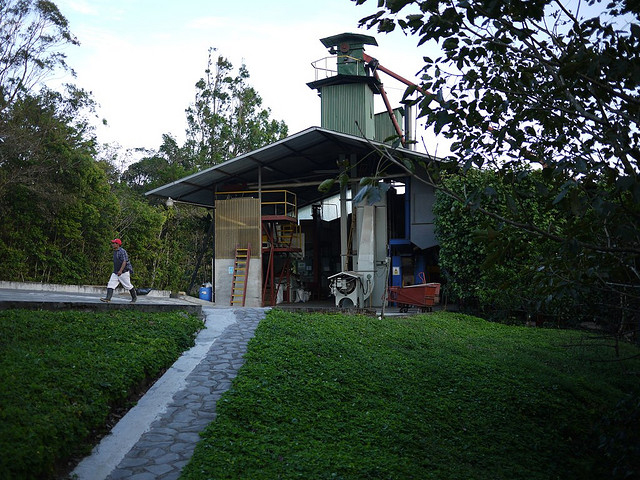
El Salvador Coffee Pacamara Pacamara El Ataisi Manor
Introduction to Pacamara: Pacamara varieties are artificially cultivated varieties of Pacas and Maragogipe. It was first cultivated by researchers in El Salvador in 1958. Pacamara is an excellent variety under rare artificial breeding, which is better than blue, and perfectly inherits the advantages of the mother plant. It not only has the excellent taste of Pacas, but also inherits the big head of Maragogipe.

El Pacamara Central America is known as the "country of volcanoes" to harvest coffee by hand.
Country: El Salvador Grade: SHG production area: Izalco area, Sonsonate Province, planting height: 1800 m picking season: January treatment: washing fermentation, sun drying varieties: Pacamara Manor: Finca Ataisi flavor: nut chocolate, passion fruit, cream, strawberry El Salvador is located in Central America, bordering Guatemala and Honduras in the north and west.

Pacamara boutique coffee introduces bourbon coffee beans and fruit coffee.
Pacamara is a combination of El Salvador bourbon dwarf Pacas and elephant beans (pacas x Maragogype), with sour and sweet fruit, sometimes biscuit, sometimes fruit, good firmness and smoothness, suitable for eosinophiles, and the overall flavor is much better than that of elephant beans. Its most important feature is its high viscosity and greasy sensation. The acidity of shallow baking is similar to that of green apples.
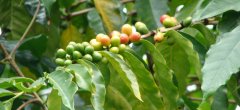
Ataisi Manor Pacamara single Black Coffee in El Salvador
Coffee in El Salvador is grown mostly by small farmers, who grow it in the traditional way: almost 100% shade. The coffee harvest lasts from November to March. The fresh fruit of coffee is picked by hand. On the whole, Salvadoran coffee inherits the mild quality of Sino-American coffee, which is soft, slightly sour and beautiful.
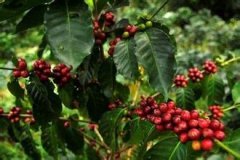
Ataisi Manor Pacamara American Fine Coffee in El Salvador
Coffee in El Salvador is grown mostly by small farmers, who grow it in the traditional way: almost 100% shade. The coffee harvest lasts from November to March. The fresh fruit of coffee is picked by hand. On the whole, Salvadoran coffee inherits the mild quality of Sino-American coffee, which is soft, slightly sour and beautiful.

What kind of coffee does Incht Manor produce?
Incht Manor, the famous coffee farm in Vivetta Nan Fruit producing area, learn about the Pacamara coffee (Pacamara). Pacamara is a hybrid. Mom-Pacas and dad-Maragogype are both ordinary people in the coffee world, but Pakamara definitely inherits the essence of his parents' genes. He has both his father Mara.

Incht Manor-Pacamara Top Manor
There are more than 10,000 coffee farms around the world, including coffee farms for popular coffee beans, high-quality coffee bean farms and rare coffee bean farms. Incht Manor is Guatemala's top coffee estate, located in Guatemala's famous producing area of Vivette South Fruit Plateau, under the control of the Aguirre family, since 1900 began to grow coffee, the manor name El

It is adjacent to Mexico's Chabas Chispa: Chiapas Caf é to the north of Guatemala.
Mexico Chabas Chispa: Chiapas is located in the southernmost coffee growing area of Mexico, adjacent to the tiny south producing area north of Guatemala, and both belong to the high quality coffee producing areas. Chabas is also one of the most praised coffee producing areas in Mexico. Chabas coffee has a moderate consistency, mild taste but sweet flavor, with a little banana and dry aroma.

Excellent quality Salvadoran: Pakmara Coffee Introduction
In El Salvador, Cusca-Bapa produces the finest coffee beans, which are slightly lighter in weight, aromatic, pure and slightly acidic. Like Guatemala and Costa Rica, coffee in El Salvador is graded according to altitude, with the higher the altitude, the better the coffee. The best brand is Pip, whose quality has been recognized by the American Organic Certification Society. other

El Ataisi Estate Pacamara Cooked Bean Boutique Coffee
Coffee cultivation in El Salvador is mostly smallholder, with farmers following traditional methods: almost 100 per cent shade cultivation. The coffee harvest lasts from November to March. All are hand-picked to harvest fresh coffee. Overall, Salvadoran coffee inherits the mild qualities of Central American coffee, overall soft, slightly sour, with a nice