
"Monsooned"
260 article(s) found

How did the Indian wind stain treatment come from? What are the characteristics of Malaba coffee?
Professional coffee knowledge exchange more coffee bean information Please follow the coffee workshop (Wechat official account cafe_style) it is said that a long time ago, when raw coffee beans were shipped from India to Europe, changes were caused by high temperatures and moisture in the Indian Ocean, and this is where "wind stains" came from. In addition to the expansion and enlargement of the size of the raw beans after wind-soaked, the color of the raw beans is also changed from green to green.

A brief introduction to the history and culture of the origin and development of Kaha, a coffee farm in Java, Indonesia.
There are usually two harvest seasons in Indonesia, the main harvest season (main crop) occurs from September to October, and the second harvest season (fly crop) occurs from May to June. Arabica will be hand-picked, and hand-picked workers will enjoy a minimum wage. On this basis, there will be performance pay in Java, the oldest coffee producing area. Java Coffee is famous from Indonesia in the 18th century.
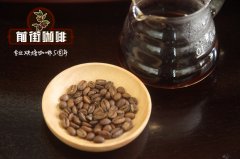
Which brand of Indian coffee is better? What are the recommendations of Arabica coffee beans in India?
Professional coffee knowledge exchange more coffee bean information please follow the coffee workshop (Wechat official account cafe_style) Indian coffee flavor introduction flavor: very little coffee from India, usually only two kinds: wind-stained Malaba and Masojin bricks. The raw beans of the wind-soaked Malaba are dry, yellow and sweet, but a little monotonous because they are placed in a ventilated warehouse for the Indian Ocean
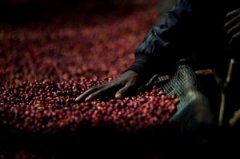
Boutique Indian coffee wind-stained Malaba coffee beans
Indian coffee style stained Malaba coffee beans our mysterious impression of India is not only its coffee, but also tea, temples, yoga, sitaqin, or even the more negative abnormal big cities, and so on. The reason why there are so many kinds of Indian beans on the market today must be attributed to the indomitable Indian coffee expert and importer Dr. Joseph Johns. Past 10

Asian Indian coffee wind-stained Malaba coffee beans
Our mysterious impression of India is not only its coffee, but also tea, temples, yoga, sitar, or even the more negative abnormal big cities, and so on. The reason why there are so many kinds of Indian beans on the market today must be attributed to the indomitable Indian coffee expert and importer Dr. Joseph Johns. Over the past 10 years, he has made eye-catching press releases and websites

Indian coffee wind-stained Malaba coffee beans
Indian Coffee style stained Malaba Coffee beans Indian Coffee-enigmatic Coffee in a mysterious country our mysterious impression of India is not only in its coffee, but also in tea, temples, yoga, sitaqin, or even the more negative abnormal big cities. The reason why there are so many kinds of Indian beans on the market today must be attributed to the indomitable Indian coffee experts and imports.

Flavor and taste of Indonesian Coffee Manor Coffee beans in Wahana Manor, Indonesia
The prosperity of coffee in Indonesia was not sustainable, coffee production was fatally hit at the end of the 18th century, and leaf rust, originally found in West Java, spread rapidly, destroying the Arabica coffee estate in Indonesia. The leading position of the coffee trade was replaced by the American producing countries. However, it is worth mentioning that the leaf rust disaster did not affect the eastern Indonesian producing areas, namely, Flores Island and Timor, today.

What is Indian Malaba coffee? What is the way to handle Indian coffee? Malaba coffee
Professional coffee knowledge exchange more coffee bean information please follow the coffee workshop (Wechat official account cafe_style) India's wind-stained Malaba coffee, is one of the world's most famous boutique coffee beans, also known as monsoon coffee beans in Taiwan, named after its English name Monsoon (monsoon), his treatment is very complicated and strange, mainly through the earth.

Introduction of Indonesian Coffee Flavor characteristics of manors in Indonesian coffee producing areas Kahayang Gan Manor
The prosperity of coffee in Indonesia was not sustainable, coffee production was fatally hit at the end of the 18th century, and leaf rust, originally found in West Java, spread rapidly, destroying the Arabica coffee estate in Indonesia. The leading position of the coffee trade was replaced by the American producing countries. However, it is worth mentioning that the leaf rust disaster did not affect the eastern Indonesian producing areas, namely, Flores Island and Timor, today.

What are the coffee producing countries in Asia? the spread history of coffee in Asia
Professional coffee knowledge exchange more coffee bean information please follow the coffee workshop (Wechat official account cafe_style) Front Street-A brief introduction to Asian coffee producing areas although Arabs prohibit the export of coffee seeds, they are indeed very open inside. The first coffee houses known as Calvin Kahn opened in Mecca, and for the first time in human history, there was such a place, no matter who it was, only
What are the characteristics of Arabica coffee grown in India
Professional coffee knowledge exchange more coffee bean information please follow Coffee Workshop (Wechat official account cafe_style) Front Street-about Indian coffee there is very little coffee from Arabica, India, usually there are only two kinds of coffee: wind-stained Malaba and Maso gold bricks. The raw beans of the wind-soaked Malaba are dry, yellow and sweet, but a little monotonous because they are placed in a ventilated warehouse for the Indian Ocean
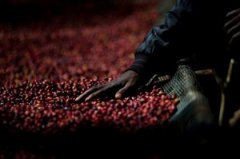
Mysterious country's mystery coffee boutique Indian coffee wind-stained Malaba coffee beans
Indian coffee style stained Malaba coffee beans our mysterious impression of India is not only its coffee, but also tea, temples, yoga, sitaqin, or even the more negative abnormal big cities, and so on. The reason why there are so many kinds of Indian beans on the market today must be attributed to the indomitable Indian coffee expert and importer Dr. Joseph Johns. Past 10
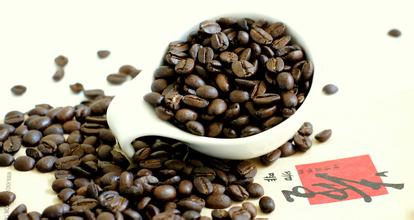
Flavor description of Java coffee beans in Indonesia introduction to the taste of grinding scale variety treatment
Indonesia Java coffee bean flavor description grinding scale variety treatment taste introduction Java, the oldest producing area, Java coffee continues from the glorious era of Indonesian coffee in the 18th century. Java coffee is still reminiscent of high quality and delicious, and the most famous blend at that time was Java coffee with Yemeni mocha. In addition, there is a very famous Chen in Java.
Introduction to Grade Classification of Coffee varieties in Indonesian Coffee production area description of G1 flavor and taste of Mantenin coffee bean
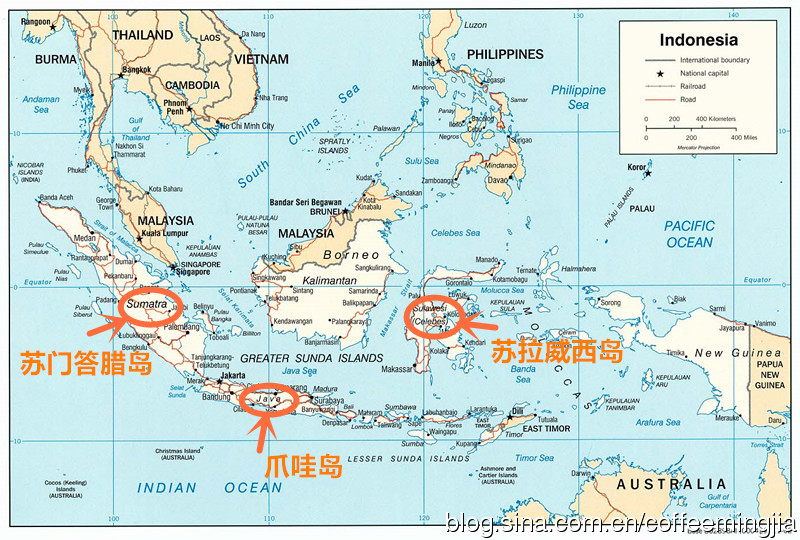
Profile of coffee producing countries: Indonesia Indonesia country Indonesia, the country of Thousand Islands, is the country with the largest number of islands in the world. When it comes to Indonesia, the most familiar is probably the resort island of Bali. A brief History of Coffee in 1696, the then Governor of the Netherlands in Malabar, India

Brief introduction of Arabica Coffee Bean varieties Mantenin belongs to iron pickup? reveal the secret of life experience
Professional coffee knowledge exchange more coffee bean information please follow the coffee workshop (Wechat official account cafe_style) front street-Mantenin variety introduction the world's coffee beans are mainly divided into two categories: small seed coffee beans Arabica (Arabica) and medium seed coffee beans Robusta (Robusta), small seed coffee beans grow in the temperate climate of Haiba 600-2000 meters, the taste is rich and delicate

What is the best Arabica coffee in India? what is the Arabica coffee grown in India?
Professional coffee knowledge exchange more coffee bean information please follow the coffee workshop (Wechat official account cafe_style) Indian Arabica coffee flavor introduction: there is very little coffee from Arabica, India, usually there are only two kinds: wind-stained Malaba and Masojin bricks. The raw beans of the wind-soaked Malaba are dry, yellow and sweet, but they are a little monotonous because they are put on the pass.

Characteristics of wind-stained coffee in Malabar, India
For more information on coffee beans, please follow the coffee workshop (official account cafe_style of Wechat). When it comes to Asian coffee, most people will first think of Indonesian gold Manning or Toraya, or Vietnamese coffee or Lao coffee, as well as recently rammed up Taiwan coffee, China Yunnan coffee and so on. Indian coffee has a long history, and it also has a long history.

Strange coffee with wheat flavor: Malabar style-stained coffee in India
When it comes to Asian coffee, most people will first think of Indonesian gold Manning and Toraya, or Vietnamese coffee or Lao coffee, as well as Taiwan coffee and Yunnan coffee, which have been rammed up recently. Indian coffee has a long history, and it is also the first country in Asia to grow coffee. It has always had a place in the coffee world.

What's the difference between fresh coffee beans and old beans?
Professional baristas Please follow the Coffee Workshop (official Wechat account cafe_style) Coffee enthusiasts gather at the shop every Friday night to taste the new coffee that comes on the shelves next week. Tonight, a self-baking enthusiast brought a handletter. This bag of 2012 Ethiopian Aricha coffee beans is a treasure that I have been reluctant to drink. I know you open baking every Friday.

How to make Malaba Coffee and drink Malaba Coffee? what are the famous coffee estates in famous producing areas?
Professional coffee knowledge exchange more coffee bean information please pay attention to the coffee workshop (Wechat official account cafe_style) wind-stained coffee is inadvertently created a new flavor. In the 17th and 18th centuries, India shipped coffee beans to Europe by sailboat, which took six months. The raw beans were placed on the bottom of the barn and absorbed the moisture and salty taste from the sea surface. The raw beans arrived in Europe and went bad in color.