
"Nutritious"
1444 article(s) found
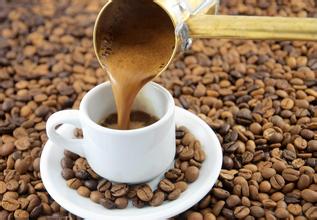
Boutique coffee Panamanian coffee producing area Baru volcano coffee coffee bean coffee machine
The microclimate of the Panamanian highlands is the most important resource that makes Panamanian coffee unique. The most important resource that makes Panamanian coffee unique is its microclimate. The east-west environment of the Republic of Panama allows cold air to flow through the Central Mountains and converge above 6500 feet, creating a variety of microclimates in the Boquete and Volcn Candela regions.

Panamanian Coffee Coffee Origin Coffee introduction Panamanian coffee taste
Panamanian coffee editor this entry lack of business card map, add relevant content to make the entry more complete, but also can be quickly upgraded, hurry up to edit it! The microclimate of the Panamanian highlands is the most important resource that makes Panamanian coffee unique. The most important resource that makes Panamanian coffee unique is its microclimate. The environment of the Republic of Panama from east to west allows cold air

Boutique coffee Panamanian coffee origin Panamanian coffee coffee beans
Panamanian coffee editor this entry lack of business card map, add relevant content to make the entry more complete, but also can be quickly upgraded, hurry up to edit it! The microclimate of the Panamanian highlands is the most important resource that makes Panamanian coffee unique. The most important resource that makes Panamanian coffee unique is its microclimate. The environment of the Republic of Panama from east to west allows cold air

Panamanian Coffee processing method Honey treatment and traditional washing
Panamanian coffee editor this entry lack of business card map, add relevant content to make the entry more complete, but also can be quickly upgraded, hurry up to edit it! The microclimate of the Panamanian highlands is the most important resource that makes Panamanian coffee unique. The most important resource that makes Panamanian coffee unique is its microclimate. The environment of the Republic of Panama from east to west allows cold air

Introduction to the flavor and taste of Panamanian Coffee Manor
The American Fine Coffee Association (SCAA) ranked No. 1 in the World Coffee Cup Test in 2005, 2006 and 2007, while the Tropical Rain Forest Conservation Group ranked No. 1 in 2004, 2006 and 2007. Panama Coffee is grown in the western part of the country, near Costa Rica and the Pacific Ocean. Bockett, Chiriki Chiriqui province (
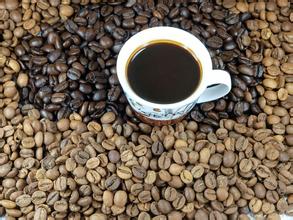
Boutique coffee Panamanian coffee origin Panamanian coffee practice coffee beans characteristics of coffee beans
The microclimate of the Panamanian highlands is the most important resource that makes Panamanian coffee unique. The most important resource that makes Panamanian coffee unique is its microclimate. The east-west environment of the Republic of Panama allows cold air to flow through the Central Mountains and converge above 6500 feet, creating a variety of microclimates in the Boquete and Volcn Candela regions.

Boutique coffee Panamanian coffee features Panamanian coffee introduction coffee beans
Panamanian coffee editor this entry lack of business card map, add relevant content to make the entry more complete, but also can be quickly upgraded, hurry up to edit it! The microclimate of the Panamanian highlands is the most important resource that makes Panamanian coffee unique. The most important resource that makes Panamanian coffee unique is its microclimate. The environment of the Republic of Panama from east to west allows cold air

Variety of Honduran Lompilla Coffee beans description of hand-brewed Coffee beans after washing in Honduras
Professional coffee knowledge exchange more coffee bean information Please follow the coffee workshop (Wechat official account cafe_style) Lempira is a Timorese subbreed in Honduras with genes from the Kaddura pedigree. This Arabica coffee plant is small and can grow up to 3 feet tall, making it very easy to pick. In nutrient-rich acidic soils and

Introduction of Panamanian coffee producing areas introduction of Panamanian coffee beans, flavor, taste, fine coffee beans
The appropriate microclimate, soil, temperature and height of these highlands are suitable for sowing, planting and harvesting a variety of unique coffees. These coffees have jasmine, citrus, ripe fruit, berries, caramel, special sweetness, vanilla, chocolate and other flavors. The unique coffee endemic to Panama is divided into small batches, classified and numbered, and small batches are designed to have a small capacity to
High-quality coffee the main uses of coffee grounds
Coffee grounds are the dregs left over from the extraction of coffee, isn't it? In fact, every 100 grams of coffee beans are rich in 12.6 grams of protein, 9 grams of cellulose, 4.2 grams of ash, 120 milligrams of calcium, 170 milligrams of phosphorus, 42 milligrams of iron, 3 milligrams of sodium, 0.12 grams of vitamin B2, 3.5 milligrams of niacin, 1.3 grams of caffeine and 8 grams of tannins. It can be said that the coffee grounds after extraction are nutritious and comprehensive.

The main origin of Mexican coffee, the description of Mexican coffee flavor
Following Cafe Review (official Wechat account vdailycom) found that Mexico has opened a small shop of its own. Mexico is one of the top consumers of soft drinks in the world, but it ranks last in terms of coffee consumption. This is undoubtedly ironic to Mexico, which ranks fifth in coffee production in the world. Almost all the coffee plantations in the world were developed by colonists.

Rich fragrant Puerto Rican coffee producing area manor Larez Yaoke Coffee
Features of Puerto Rico coffee: Yaocote is a fascinating coffee with a complete flavor, no bitterness, nutritious, fruity and worth tasting. Even Thales in Harrogate, UK, has imported 50 bags of Yaoke specialty coffee. Flavor: full granule, full flavor, rich aroma suggested baking method: medium baking ★★★

A brief introduction to the cultivation of Panamanian Flint Manor Coffee with fertile soil
Elida Manor has a total area of 65 hectares, more than half of which are located within the Baru Volcano National Park, 30 hectares of the estate are planted with coffee trees, and the remaining 35 hectares are virgin forests. The Baru volcano has an altitude of more than 11400 feet, and the land around it is rich in nutritious and fertile soil, providing sufficient conditions for the sowing and cultivation of coffee endemic to Panama.

Panamanian Coffee beans Coffee introduces how the origin of coffee was discovered
Panama is a small country located in the center of the American continent. The waters of the Atlantic and Pacific oceans flood its beaches. Panama is located at 9 degrees north latitude, the meeting point of the Central Mountains, where Mount Baru, one of the highest volcanoes in Central America, is located. Baru volcano has an altitude of more than 11400 feet, and the land around it is rich in nutritious and fertile soil, which is unique to Panama.
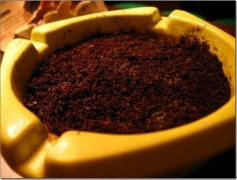
A detailed explanation of the use of Coffee grounds
Coffee grounds are the dregs left over from the extraction of coffee, isn't it? In fact, every 100 grams of coffee beans are rich in 12.6 grams of protein, 9 grams of cellulose, 4.2 grams of ash, 120 milligrams of calcium, 170 milligrams of phosphorus, 42 milligrams of iron, 3 milligrams of sodium, 0.12 grams of vitamin B2, 3.5 milligrams of niacin, 1.3 grams of caffeine and 8 grams of tannins. It can be said that the coffee grounds after extraction are nutritious and comprehensive.

Anemic people should drink less coffee, preferably no coffee, less tea and less milk.
Professional barista communication Please pay attention to the coffee workshop (Wechat official account cafe_style) anemia do not drink coffee we all know that most anemic patients are caused by the lack of iron in the blood. On the other hand, we need to know that coffee contains polyphenols, which are easy to combine with iron and form a salt that is difficult to decompose.

Panamanian Coffee, the King of Coffee Price ratio in Central America
Growing environment Panama is a small country located in the center of the American continent. The waters of the Atlantic and Pacific oceans flood its beaches. Panama is located at 9 degrees north latitude, the confluence of the mountains, where Mount Baru, one of the highest volcanoes in Central America, is located. The Baru volcano has an altitude of more than 11400 feet, and the land around it is rich in nutritious and fertile soil for Bana.

The main use of coffee grounds can be deodorization, deodorization and cosmetology.
Coffee grounds are the dregs left over from the extraction of coffee, isn't it? In fact, every 100 grams of coffee beans are rich in 12.6 grams of protein, 9 grams of cellulose, 4.2 grams of ash, 120 milligrams of calcium, 170 milligrams of phosphorus, 42 milligrams of iron, 3 milligrams of sodium, 0.12 grams of vitamin B2, 3.5 milligrams of niacin, 1.3 grams of caffeine and 8 grams of tannins. It can be said that the coffee grounds after extraction are nutritious and comprehensive.

The characteristics of Panamanian coffee beans the price of Panamanian coffee beans the flavor of Panamanian coffee beans
The microclimate of the Panamanian highlands is the most important resource that makes Panamanian coffee unique. The most important resource that makes Panamanian coffee unique is its microclimate. The east-west environment of the Republic of Panama allows cold air to flow through the Central Mountains and converge above 6500 feet, creating a variety of microclimates in the Boquete and Volcn Candela regions.
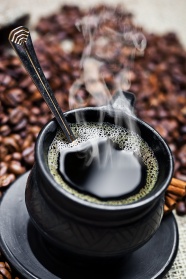
The characteristics of Panamanian coffee beans the price of Panamanian coffee beans the flavor of Panamanian coffee beans
The microclimate of the Panamanian highlands is the most important resource that makes Panamanian coffee unique. The most important resource that makes Panamanian coffee unique is its microclimate. The east-west environment of the Republic of Panama allows cold air to flow through the Central Mountains and converge above 6500 feet, creating a variety of microclimates in the Boquete and Volcn Candela regions.