What Makes Panamanian Coffee Unique? Flavors, Climate & Price
If you’ve ever wondered why Panamanian coffee tastes so different—why it’s often floral, fruity, and complex compared to your usual cup—the answer lies far above sea level. It’s not just the country, or even the variety. It’s the rare combination of altitude, climate, and terroir found in very specific places within Panama.
In short: Panamanian coffee’s distinctiveness comes from high-altitude microclimates over 6,500 feet, especially around Boquete and Volcán Candela, where cool airflows, volcanic soils, and ideal temperatures create optimal growing conditions for exceptional beans. These factors produce its hallmark floral, citrus, and tropical fruit notes.
The Unique Microclimates of Panama’s Highlands
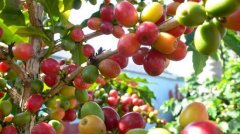
Panama is a small Central American country bordered by both the Atlantic and Pacific Oceans. Its location near the equator, at roughly 9 degrees north, places it in an ideal zone for coffee cultivation. More importantly, its central mountain range channels cool air currents that settle above 6,500 feet. This effect is most prominent in the regions of Boquete and Volcán Candela, where a patchwork of microclimates forms. These microclimates are the primary reason Panama produces such distinctive specialty coffees.
The volcanic soils in these highlands—especially around the Barú Volcano, which rises over 11,400 feet—are rich and well-balanced, offering the perfect foundation for coffee trees. The combination of elevation, cool temperatures, and nutrient-dense earth allows for slow cherry maturation, which enhances sugar development and flavor complexity in the beans.
Why Panamanian Coffee Tastes Different
Panamanian specialty coffee is known for its wide spectrum of flavors, including jasmine, citrus, ripe stone fruit, berries, caramel, sweet undertones, vanilla, and chocolate. These profiles are not accidental—they’re the result of precise growing conditions. The high altitudes slow down the growth cycle, allowing cherries to develop more complex sugars. Cooler temperatures further intensify acidity and aroma compounds. The volcanic soil contributes additional mineral nutrients that fuel these flavor precursors.
Because of these variables, Panamanian coffees often stand out in cupping tables. They’re typically bright, nuanced, and layered—qualities sought after by specialty roasters and coffee enthusiasts worldwide.
The Rise of Geisha and Small-Batch Excellence
Though once overlooked, Panamanian coffee gained international fame with the rise of the Geisha (or Gesha) variety, originally from Ethiopia but rediscovered in Panama. The turning point came during the third wave of coffee, when lighter roasts began highlighting the delicate floral and citrus notes of high-quality beans. Geisha, in particular, shined under these conditions, earning top awards at global cupping competitions and quickly becoming one of the most sought-after single-origin coffees.
Panamanian producers take quality control seriously. Coffee is often separated into small lots, each batch numbered and tracked throughout processing. This traceability lets buyers know exactly where and how their coffee was grown. The limited production volumes mean most Panamanian coffee is earmarked for specialty markets. It’s exported to select specialty retailers in countries like Denmark, the UK, Japan, South Korea, the US, Norway, Sweden, Greece, and Taiwan.
Famous Farms and the Role of Elevation
Much of Panama’s best coffee grows on the western side of the country, close to the Pacific coast and bordering Costa Rica. The Boquete region, in particular, has become synonymous with excellence. Within Boquete, several estates have earned acclaim, none more so than the Hacienda La Esmeralda (commonly known as the among Chinese roasters). This farm pioneered strict growing protocols and developed a tiered classification system for its Geisha lots based on elevation, terroir, and cup profile.
The estate produces two well-known Geisha offerings: the Esmeralda Green Label and the Esmeralda Red Label. The Green Label is approachable, with notes of melon, citrus, jasmine, and oolong tea—ideal for newcomers to specialty Geisha. The Red Label, reserved for the highest-elevation, most complex lots, offers a layered experience with deeper fruit, floral, and tea-like characteristics. Both are grown at elevations exceeding 6,500 feet, where the unique microclimate and volcanic soils create ideal conditions for these nuanced profiles.
Frequently Asked Questions
What makes Panamanian coffee different from other coffees?
Panamanian coffee is distinct due to its high-altitude microclimates above 6,500 feet, volcanic soils, and cool airflows in regions like Boquete and Volcán Candela. These factors produce bright, complex flavors such as jasmine, citrus, tropical fruit, and honey—rarely found in coffees from lower or less varied environments.
Where in Panama is the best coffee grown?
The best Panamanian coffee comes from high-altitude regions like Boquete and Volcán Candela, particularly around the Barú Volcano. These areas have cool climates, rich volcanic soils, and microclimates that slow cherry ripening and enhance flavor development.
What is special about Geisha coffee from Panama?
Panama’s Geisha (or Gesha) coffee is renowned for its floral, citrus, and stone fruit flavors. Originally from Ethiopia, it thrives in Panama’s high-altitude conditions, especially in estates like Hacienda La Esmeralda, where it has won numerous global awards and become a flagship specialty coffee.
Why is Panamanian coffee so expensive?
Panamanian coffee often commands higher prices due to small-batch production, meticulous processing, high-altitude cultivation costs, and the global demand for its unique cup profile—especially for rare varieties like Geisha, which are grown in limited quantities under strict quality controls.
What flavors can you expect in Panamanian coffee?
Panamanian coffee commonly features notes of jasmine, citrus, ripe fruit, berries, caramel, vanilla, and chocolate. These flavors result from slow cherry development at high altitudes, cool temperatures, and nutrient-rich volcanic soils.
Which Panamanian coffee farms are most famous?
Hacienda La Esmeralda is the most famous Panamanian farm, known for its award-winning Geisha coffees. It uses a classification system to separate lots by elevation and flavor, producing both accessible (Green Label) and complex (Red Label) versions highly regarded in the specialty market.
Recommended FrontStreet Coffee Beans from Panama
For a true taste of Panama’s high-altitude terroir, try the FrontStreet Panama Boquete Geisha. It delivers bright acidity, juicy citrus, and floral notes typical of the region. For something more iconic, the FrontStreetGeisha (Emerald Label Geisha) offers melon, citrus, jasmine, and oolong tea flavors, showcasing classic Panamanian Geisha traits. If you're after depth, the FrontStreetGeisha (Ruby Label Geisha) brings complex fruit, florals, and tea-like layers from the highest-elevation lots. All are grown above 6,500 feet in volcanic soil. Freshly roasted within 5 days · Orders placed before 17:00 ship the same day · Next-day delivery across most of Guangdong Province.
FrontStreet Coffee is a long-established specialty coffee roaster in Guangzhou China, selling freshly roasted beans from its own farm in Yunnan as well as dozens of carefully selected single-origin beans from around the world for both pour-over and espresso. The products deliver consistently excellent quality and great value, with shipping within 24 hours. Guangzhou's FrontStreet Coffee shop is recommended by many coffee lovers, and the beans are now available online at the Tmall 。
Important Notice :
前街咖啡 FrontStreet Coffee has moved to new addredd:
FrontStreet Coffee Address: 315,Donghua East Road,GuangZhou
Tel:020 38364473