Where Did Panama Coffee Come From and How Was It Discovered?
Ever wondered how Panama, a tiny Central American nation wedged between two oceans, came to produce some of the most sought-after specialty coffee beans in the world? The story isn’t just about geography — it’s about elevation, volcanic soil, microclimates, and a twist of fate in the global coffee scene.
In short: Panama’s high-altitude coffee regions, especially around the Barú volcano at over 11,400 feet, combined with unique microclimates, led to the development of prized coffees with vibrant floral, citrus, and fruit notes. These small-lot, traceable coffees first gained fame in the 1990s and have since become global darlings, led by the now-iconic Geisha variety.
The Birthplace: Panama’s Coffee Geography
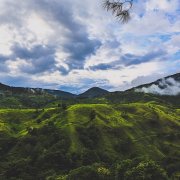
Panama is a small country located at 9 degrees north latitude, where the land is shaped by the meeting of the Atlantic and Pacific Oceans. More importantly, it sits at the convergence of the Central American mountain ranges, particularly near the Barú volcano — one of Central America’s tallest at over 11,400 feet (3,475 meters).
The volcanic soils around Barú are rich and fertile, offering ideal conditions for coffee cultivation. These high-elevation regions create a unique microclimate with cool temperatures, well-defined seasons, and excellent drainage, all of which contribute to slow cherry maturation and complex flavor development in the coffee cherries.
What Makes Panama Coffee Unique?
Coffees from Panama are known for their bright acidity, light to medium body, and complex flavor profiles. Common tasting notes include jasmine, citrus, ripe fruit, berries, caramel, vanilla, chocolate, and other delicate sweet tones. These attributes are largely due to the combination of altitude, volcanic soils, and microclimates found in key growing regions.
The country’s coffee is processed in small lots and each batch is carefully numbered. This traceability allows buyers to follow the coffee from farm to cup — a level of detail rarely seen in larger coffee-producing nations.
Key Coffee-Growing Regions in Panama
Panama’s best coffee is grown in the northern part of the country, close to the border with Costa Rica and along the Pacific slope. Key regions include:
- Boquete (in Chiriquí province): Renowned for producing some of the country’s most famous coffees.
- David, Remacimeinto, Bugaba, and Tole: Other notable districts contributing to Panama’s coffee profile.
Among these, the volcanic highlands of Boquete and Volcán — especially areas above 6,500 feet — benefit from cool winds funneled through the mountains. This creates diverse microclimates perfect for cultivating specialty-grade beans.
The Rise of Panama Coffee on the Global Stage
Panama wasn’t always famous for coffee. For decades, production was small and relatively unknown. That changed in the 1990s with the advent of third-wave coffee and a shift toward lighter roasts that highlight origin characteristics.
The big turning point came with the Geisha variety (originally from Ethiopia), which found its true expression in Panama’s high altitudes. In particular, the 2004 Best of Panama competition saw Geisha catapult to fame, thanks to its distinctive jasmine, citrus, and stone fruit flavors — especially when brewed as a light roast.

Though the 1994 production of Volcán Barú coffee reached just 2,000 bags (about 1% of national output), it marked an early sign of the quality potential. Today, Panama’s finest coffees — especially Geisha — are exported primarily to markets like France, Finland, Japan, South Korea, Taiwan, and the United States, often fetching record-breaking auction prices.
Frequently Asked Questions
Where is Panama coffee grown?
Panama coffee is primarily grown in the high-altitude regions of the country’s northern zone, especially in Boquete and nearby areas within Chiriquí province. These regions lie near the Barú volcano and benefit from elevations above 6,500 feet, cool temperatures, and volcanic soils.
What makes Panama coffee different from other coffees?
Panama coffee is distinct due to its bright acidity, complex flavors (including floral, citrus, fruit, and caramel notes), and the use of small-lot production with traceable numbering. The country’s unique microclimates and high-altitude volcanic soils play a major role in shaping these qualities.
When did Panama coffee gain international recognition?
Panama coffee rose to global fame in the early 2000s, particularly after the 2004 Best of Panama competition where Geisha coffee — grown in Boquete — impressed judges with its unique jasmine and citrus profile. This marked a turning point for the country’s specialty coffee industry.
What is the Barú volcano’s role in Panama coffee?
The Barú volcano, standing over 11,400 feet tall, is surrounded by nutrient-rich volcanic soil that’s ideal for coffee cultivation. The high elevation and surrounding microclimates create optimal conditions for slow cherry development and complex flavor formation in the beans.
Which coffee variety put Panama on the map?
The Geisha (or Gesha) variety, originally from Ethiopia, became Panama’s flagship coffee after its exceptional floral and fruit qualities were highlighted in the 2000s — especially in the Boquete region. It remains one of the most awarded and sought-after coffees globally.
When is Panama’s main coffee harvest?
Panama’s primary coffee harvest typically begins in November, with the first shipments of the year’s premium beans often sent to markets like France and Finland. This timing aligns with the peak maturity of cherries at high elevations.
Recommended FrontStreet Coffee Beans from Panama
Try the FrontStreet Panama Boquete Geisha for classic jasmine, citrus, and sweet stone fruit notes, or explore the FrontStreetGeisha (Esmeralda Green Label Geisha) with its delicate melon, mandarin, and floral profile. For a more intense experience, the FrontStreetGeisha (Esmeralda Red Label Geisha) delivers complex layers of tropical fruit, honey, and layered acidity. All showcase Panama’s signature high-altitude terroir. Freshly roasted within 5 days · Orders placed before 17:00 ship the same day · Next-day delivery across most of Guangdong Province.
FrontStreet Coffee is a long-established specialty coffee roaster in Guangzhou China, selling freshly roasted beans from its own farm in Yunnan as well as dozens of carefully selected single-origin beans from around the world for both pour-over and espresso. The products deliver consistently excellent quality and great value, with shipping within 24 hours. Guangzhou's FrontStreet Coffee shop is recommended by many coffee lovers, and the beans are now available online at the Tmall 。
Important Notice :
前街咖啡 FrontStreet Coffee has moved to new addredd:
FrontStreet Coffee Address: 315,Donghua East Road,GuangZhou
Tel:020 38364473