
"Plants"
12393 article(s) found

Kenya AA FAQ Atomboya #8231;Mutwewathi #8231;Gakuyuin
Professional barista communication, please pay attention to coffee workshop (Weixin Official Accounts cafe_style) This batch is the latest production season in 2017. Three highly famous treatment plants in Kenya are responsible for the production of raw bean water treatment. The names of their water treatment plants are as follows: Gatomboya Coffee factory Mutwewathi coffee factory Gakuyuini coffee factory The first

Panamanian Poquet Flower Butterfly Coffee beans with unique Flavor
There are three ways of plantation: sunshine plantation, full shade plantation and semi-shade plantation. Plantations with more than 50 plants per hectare are fully shaded plantations, 25-50 plants are semi-shaded plantations, and less than 25 plants are called sunshine plantations. What is the effect of shading and shading on coffee in the plantations of the two neighbors with the same planting conditions? Shade plantations can slow down coffee

Mexican wet process coffee beans flavor characteristics Mexican coffee industry existing environmental problems
One of the driving forces of the economy in southeastern Mexico is agriculture. In Soconusco, Chiapas, coffee is one of the main agricultural products and is traded on international markets. Coffee grown in this area is wet-processed for commercialization as green coffee. Water is an essential resource in beneficio (coffee processing plant) and needs to be used in large quantities (Matuk et al., 1

Does coffee taste better when grown in an active volcano? How does active volcano coffee taste?
Around the world, volcanic soils are generally considered more fertile for crops, including coffee. But why? There are 800 million people living within 100 km of the world's 1,400 active volcanoes, almost 10 per cent of the world's population. Active volcanoes, despite their destructive power, also attract millions of visitors each year and provide geothermal energy that can be used to support local communities. this

Kenya coffee Kenya New Ngariama cooperative Kamwangi processing plant introduction.
Professional coffee knowledge exchange more coffee bean information please follow the coffee workshop (Wechat official account cafe_style) Kamwangi processing plant (washing plant) is one of the two processing plants under the "New Ngariama Co-operative", located in the Kirinyaga region of Central Kenya. Kirinyaga is located on the hillside of Mount Kenya, near Nieri, with a strong, rich and tasty taste.

Panamanian Esmeralda Manor Panamanian Emerald Manor Rose Summer Baru Volcano Panamanian Coffee Manor
Here, there are three ways to popularize plantations: sunshine plantations, full shade plantations and semi-shade plantations. Plantations with more than 50 plants per hectare are fully shaded plantations, 25-50 plants are semi-shaded plantations, and less than 25 plants are called sunshine plantations. What is the effect of shading and shading on coffee in the plantations of the two neighbors with the same planting conditions? Shade planting

FAQ Certification Kenya AA level SL28/SL34 | Gatongboya Gatomboya\ Mutwewathi\ Gaku
For more information on coffee beans, please refer to Coffee Workshop (Wechat official account cafe_style) FAQ certification Kenya AA SL28/SL34 | Kadonboya Gatomboya\ Mutwewathi\ Gakuyuini selected batches? Three well-known treatment plants in Kenya are responsible for the production of raw bean water treatment. The name of the water treatment plant is as follows: Gato

Description of coffee flavor in Panamanian jadeite manor; introduction to the characteristics and prices of varieties in producing areas
There are three ways of plantation: sunshine plantation, full shade plantation and semi-shade plantation. Plantations with more than 50 plants per hectare are fully shaded plantations, 25-50 plants are semi-shaded plantations, and less than 25 plants are called sunshine plantations. What is the effect of shading and shading on coffee in the plantations of the two neighbors with the same planting conditions? Shade plantations can slow down coffee

Panamanian Coffee Flavor and Taste introduction to Caisan Louis Manor Baru Volcano
There are three ways of plantation: sunshine plantation, full shade plantation and semi-shade plantation. Plantations with more than 50 plants per hectare are fully shaded plantations, 25-50 plants are semi-shaded plantations, and less than 25 plants are called sunshine plantations. What is the effect of shading and shading on coffee in the plantations of the two neighbors with the same planting conditions? Shade plantations can slow down coffee

Flavor description characteristics of Panamanian long-tailed cuckoo coffee beans
Flavor description characteristics of Panamanian long-tailed cuckoo coffee beans taste treatment method introduces three ways of plantation: sunshine plantation, full shade plantation and semi-shade plantation. Plantations with more than 50 plants per hectare are fully shaded plantations, 25-50 plants are semi-shaded plantations, and less than 25 plants are called sunshine plantations. The plantation shade and shade of the two neighbors with the same planting conditions.

Comparison of the taste of Phoenix Dancong and Wuyi rock tea Why is it bitter when Phoenix Dancong comes out? Is Wudi's Phoenix single fir a high-end Phoenix single fir?
Generally speaking, compared with Wuyi oolong tea, this kind of tea has not been recognized globally in the tea market. Phoenix Dancong Oolong and Wuyi Oolong belong to the same family. Daffodils are tea varieties found in both Wuyi and Fenghuang Mountains. Since the distance between Fenghuang Mountain and Wuyi Mountain is not very far, it is speculated that the tea of Fenghuang Mountain is about 40.
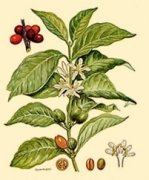
There are about 60 species of coffee plants in the world.
There are about 60 species of coffee in the world, of which only 25 species are cultivated to make coffee, of which only 4 species are used as commercial coffee: large fruit coffee (Coffea liberica), medium fruit coffee (Coffea canephora), small fruit coffee (Coffea arabica) and high yield coffee (Coffea dewevrei). These are botanical names. Coffee in the world at present

How's the Costa Rican coffee? Introduction of Carnett Manor in Costa Rica
In the past, farmers in Costa Rica sold coffee berries to large processing plants, but now they invest in setting up micro-processing plants that use various treatments (sun and honey treatments) to produce small batches of raw beans, which are often heard as "micro batches" and then sold to high-quality international buyers. The traditional mode of coffee production used to be coffee producers in Costa Rica

The clean and fresh fruit flavor of Caesar Louis Manor in Bogut, Panama.
There are three ways of plantation: sunshine plantation, full shade plantation and semi-shade plantation. Plantations with more than 50 plants per hectare are fully shaded plantations, 25-50 plants are semi-shaded plantations, and less than 25 plants are called sunshine plantations. What is the effect of shading and shading on coffee in the plantations of the two neighbors with the same planting conditions? Shade plantations can slow down coffee
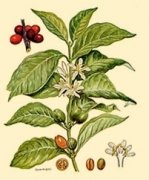
Coffee beans. There are about 60 species of coffee plants in the world.
There are about 60 species of coffee in the world, of which only 25 species are cultivated to make coffee, of which only 4 species are used as commercial coffee: large fruit coffee (Coffea liberica), medium fruit coffee (Coffea canephora), small fruit coffee (Coffea arabica) and high yield coffee (Coffea dewevrei). These are botanical names. Coffee in the world at present

Coffee processing in Vietnam Coffee prices have fallen continuously
In the field of coffee processing, there have been some dilapidated processing plants since 1975, and there are several processing plants in northern Tongjiao, Fukui and other places, whose equipment was made in East Germany from 1960 to 1962. In the south, the old factories left by former landowners such as ROSSI,DELPHANTE are also small. While expanding the planting area of coffee, it also began to build new coffee processing plants, initially producing some

Rwanda boutique coffee beans in the western province of Monseha and Musui processing plants work together to batch sunburn bourbon
Professional coffee knowledge exchange more coffee bean information please follow the coffee workshop (Wechat official account cafe_style) Rwanda boutique coffee beans in the western province of Monseha and Mushoi processing plants in the sun bourbon flavor and taste characteristics? Monseh Hamuyi processing plant in the western province of Rwanda cooperated with batches of sunburn bourbon species Rwanda West Province Mashesha CWS Bo

Vietnamese boutique coffee bean flavor taste manor production area introduces Vietnamese coffee brands
In the field of coffee processing, there have been some dilapidated processing plants since 1975, and there are several processing plants in northern Tongjiao, Fukui and other places, whose equipment was made in East Germany from 1960 to 1962. In the south, the old factories left by former landowners such as ROSSI,DELPHANTE are also small. While expanding the planting area of coffee, it also began to build new coffee processing plants, initially producing some
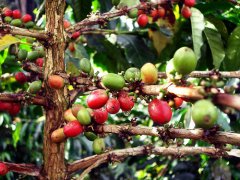
Plant classification of coffee beans
Green trees and Rubiaceae plants have been dominated by plants with special effects since ancient times, such as quinine tree, which is regarded as a specific drug for malaria, and Dugen, which is used to treat amigellosis. Coffee is positioned as the most unique alkaloid drinking plant group. Usually after sowing for two to three years, coffee trees can grow to a height of about five to ten meters, but to prevent coffee beans from losing their aroma and taste, and