
"Sana'a"
150 article(s) found

How much is the Yemeni Sanani mocha coffee bean? the characteristics of the Yemeni Sanani mocha coffee bean story
Professional coffee knowledge exchange more coffee bean information please follow the coffee workshop (Wechat official account cafe_style) Yemeni coffee mocha Sanani | Yemen Mocha Sanani coffee produced in the capital of Yemen-Sanani, is in the high altitude of 1000m1300m, in the high temperature and dry climate of coffee cultivation. Varieties include iron pickup and bourbon, Yemeni coffee

Current situation of coffee industry in Yemen
First, the history of Yemeni coffee (1) the origin of mocha coffee is in Yemen, the origin of mocha coffee is very wide, these coffees have their own characteristics and differences from quality to taste, but because these coffees have been shipped and exported from the port of Mocha in Yemen to markets around the world, they are collectively called mocha coffee. The port of Mocha is located along the Red Sea north of the Mande Strait.

Yemen Mocha Mattari Information Coffee Growing Process Flavor Features Introduction
Professional barista exchanges, please pay attention to coffee workshop (Weixin Official Accounts cafe_style). As long as Yemeni coffee is mentioned, it is immediately reminiscent of thick and wild sun beans. Yemeni coffee has a long history. Arabica beans were introduced from the Hara region of Ethiopia in the 6th century. Since ancient times, Yemeni coffee farmers have been following the ancient methods handed down by their ancestors. Due to the terrain,

What are the characteristics of Mattarimoka beans in Yemen? What are the planting characteristics and types?
Professional coffee knowledge exchange more coffee bean information please follow the coffee workshop (Wechat official account cafe_style) the characteristics of Yemen Matari mocha beans? What are the planting characteristics and types? The producing area is located in the Bani Mattar district west of the capital Sanaa. The variety is Matari (Arabica adzuki bean), which is an older Arabica species and should have been introduced from Ethiopia. Growth
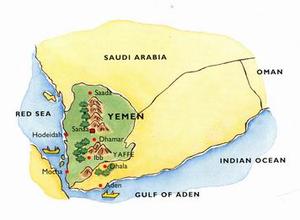
Details of coffee producing areas: the development status of coffee industry in Yemen
First, the history of Yemeni coffee (1) the origin of mocha coffee is in Yemen, the origin of mocha coffee is very wide, these coffees have their own characteristics and differences from quality to taste, but because these coffees have been shipped and exported from the port of Mocha in Yemen to markets around the world, they are collectively called mocha coffee. The port of Mocha is located along the Red Sea north of the Mande Strait.

Yemeni boutique coffee has a strong taste, typical Yemeni mocha flavor, Shana, the capital of Yemen.
Boutique coffee is fresh coffee. Whether it's food or drink, of course, the fresh the better, and so is boutique coffee. High-quality coffee should keep the coffee beans fresh before making, including the preservation of baked beans, and grind the coffee beans into powder before making, which is also to retain its original and best flavor. And the way of making hand-made coffee is such a way to make high-quality coffee.

Mocha coffee in the best Yemeni Matali characteristics of taste how to drink
Professional coffee knowledge exchange more coffee bean information please follow the coffee workshop (Wechat official account cafe_style) country: Yemeni product name: Yemen Madali production area: Matali handling method: sun altitude: 20002400 meters variety: Arabica whenever Yemeni coffee immediately reminds people of thick and wild sun-dried beans, Yemeni coffee farmers have been since ancient times

The reason why Yemeni coffee grows terraced coffee what are the characteristics of how Yemeni mocha coffee is grown?
Professional coffee knowledge exchange more information about coffee beans please follow the coffee workshop (Wechat official account cafe_style) Yemen is one of the driest countries in the world. Economically, the country currently relies on oil exports for three-quarters of its income, but the World Bank predicts that the country's stocks will be used up around 2017. In a country that was once self-sufficient in farming, it now relies on imports for 80% of its crops

A brief introduction to the characteristics of coffee planting environment in Yemen is it suitable for coffee cultivation in Yemen
Professional coffee knowledge exchange more information about coffee beans please follow the coffee workshop (Wechat official account cafe_style) Yemen is one of the driest countries in the world. Economically, the country currently relies on oil exports for three-quarters of its income, but the World Bank predicts that the country's stocks will be used up around 2017. In a country that was once self-sufficient in farming, it now relies on imports for 80% of its crops

Why Yemeni Coffee is also called Coffee Queen Yemeni Coffee has its own taste and flavor
Professional coffee knowledge exchange more coffee bean information please follow the coffee workshop (Wechat official account cafe_style) Yemeni coffee mocha Matali as soon as Yemeni coffee reminds people of thick and wild sun beans Yemeni coffee has a long history. Arabica beans were introduced from the Hara region of Ethiopia in the 6th century. Yemeni coffee farmers have been following since ancient times.

Yemeni farmers abandon coffee
Experts point out that if the trend of farmers abandoning coffee and planting Carter grass is not improved, Yemeni coffee will have no tomorrow. Experts concluded that the reasons for the disadvantages of coffee crops are as follows: drought and water shortage, lack of advanced irrigation systems, increased planting costs, serious diseases and insect pests, cheaper imported coffee and better profits than coffee. It seems that the problem is very complicated. It may be difficult to increase coffee production in Yemen in a short period of time.
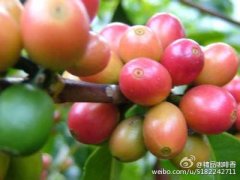
Yemeni farmers abandon coffee
Experts point out that if the trend of farmers abandoning coffee and planting Carter grass is not improved, Yemeni coffee will have no tomorrow. Experts concluded that the reasons for the disadvantages of coffee crops are as follows: drought and water shortage, lack of advanced irrigation systems, increased planting costs, serious diseases and insect pests, cheaper imported coffee and better profits than coffee. It seems that the problem is very complicated. It may be difficult to increase coffee production in Yemen in a short period of time.

Yemeni Mokamadali Coffee how to make Yemeni Mokamada Coffee by hand
Professional coffee knowledge exchange more coffee bean information please follow the coffee workshop (Wechat official account cafe_style) country: Yemeni product name: Yemen Madali production area: Matali handling method: sun altitude: 20002400 meters variety: Arabica whenever Yemeni coffee immediately reminds people of thick and wild sun-dried beans, Yemeni coffee farmers have been since ancient times

Mocha matari is produced in the northern part of Yemen and has a strong sour taste.
Although Yemen is located in the Middle East with the Arabian Peninsula, it can actually be said that it is almost closely connected to the African continent located opposite the Red Sea. This geographical contiguity is also illustrated by the way Ethiopian coffee travels through Yemen. Ethiopian coffee processed naturally is still known as mocha. As for coffee exports, due to the complexity of the circulation process,

How to use mocha coffee beans _ introduction of characteristics of mocha coffee beans _ brand recommendation of mocha coffee beans
Professional coffee knowledge exchange more coffee bean information please follow the coffee workshop (Wechat official account cafe_style) Yemen Matalee Mocha Coffee Bean (Yemen Mattari Mocca) production area is located in the Bani Mattar district west of the capital Sanaa, the variety is Matali (Arabica adzuki bean), is an older Arabica species, should be passed down from Ethiopia

What are the famous mocha coffee producing areas in Yemen? Why are Yemen mocha coffee big countries becoming marginal producing countries?
Professional coffee knowledge exchange More coffee bean information Please pay attention to coffee workshop (Weixin Official Accounts cafe_style)

The mystery of Yemeni mocha coffee varieties what is the Yemeni Udini Udaini coffee variety?
For more information on coffee beans, please follow the coffee workshop (Wechat official account cafe_style) [when did you start growing coffee in Yemen?] Although there are different theories, don't the arguments of the 13th century find it very persuasive? According to Abdar Qadir, an Arab Islamist,

Yemeni mokama big hand brewing coffee parameters suggest _ what coffee beans in Yemen are famous and delicious?
Professional coffee knowledge exchange more coffee bean information please follow the coffee workshop (Wechat official account cafe_style) country: Yemeni product name: Yemen Madali production area: Matali treatment: sun altitude: 20002400 meters variety: Arabica as soon as Yemeni coffee is reminiscent of thick and wild sun-dried beans, one of the Yemeni coffee farmers since ancient times

Yemeni farmers abandon coffee, Omar coffee story, coffee bean price
Experts point out that if the trend of farmers abandoning coffee and planting Carter grass is not improved, Yemeni coffee will have no tomorrow. Experts concluded that the reasons for the disadvantages of coffee crops are as follows: drought and water shortage, lack of advanced irrigation systems, increased planting costs, serious diseases and insect pests, cheaper imported coffee and better profits than coffee. It seems that the problem is very complicated. It may be difficult to increase coffee production in Yemen in a short period of time.

What are the producing areas of Yemeni coffee? where does the Yemeni mocha coffee come from? Asia, Yemen.
For more information on coffee beans, please follow Coffee Workshop (Wechat official account cafe_style) * mocha Martali (MokhaMattari): the most famous coffee market name in Mardali province, west of the Yemeni capital Sanaa (another word is Bany Mattar). It is coffee produced at high altitude and usually has good red wine.