
"Shek"
109 article(s) found
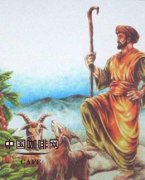
How did you get the coffee beans? The Story of the Shepherd
▼ Legend 1: the Story of the Shepherd around the 10th century AD, in the Ethiopian plateau of Africa, there was a shepherd Karl. One day he suddenly looked very excited and excited when he saw the goat. He thought it was strange, and then after careful observation, he found that the sheep were excited after eating some kind of red fruit. Carl tasted it curiously.

Legends of coffee beans, the raw materials for making coffee.
Arabs began to roast and grind coffee beans, and because drinking was strictly forbidden in the Koran, Arabs consumed a lot of coffee. So religion is actually a big factor in the widespread popularity of coffee in the Arab world. Coffee beans. The story of the shepherd legends that there was a shepherd card on the Ethiopian plateau in Africa around the tenth century AD.
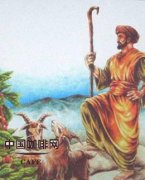
How do coffee beans come from? The story of the Arab monk and the shepherd
Legend 1: The story of the shepherd Legend has it that around the tenth century AD, on the Ethiopian plateau in Africa, there was a shepherd Carl, who one day saw goats suddenly appear extremely excited and excited. He thought it was strange, and after careful observation, he found that these sheep were excited by eating some kind of red fruit. Carl tasted it curiously.

The history of coffee beans is related to the spread of coffee beans.
Legend has it that around the tenth century AD, on the Ethiopian plateau of Africa, a shepherd Carl found sheep excited after eating some kind of red fruit. As a result, Carl distributed this incredible red fruit to the locals, and its magical effect spread. There is also a legend that in 1258 AD, in the mountains of Yemen, people were killed for crimes.

The history of coffee beans originated in Africa. The specific process is as follows.
Legend has it that around the tenth century AD, on the Ethiopian plateau of Africa, a shepherd Carl found sheep excited after eating some kind of red fruit. As a result, Carl distributed this incredible red fruit to the locals, and its magical effect spread. There is also a legend that in 1258 AD, in the mountains of Yemen, people were killed for crimes.
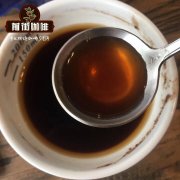
Introduction to the characteristics of Nyamasheke Nimashek Coffee from Rwanda Coffee producing area
Professional coffee knowledge exchange more coffee bean information please follow coffee workshop (Wechat official account cafe_style) Product name: Rwanda Coffee (medium roasting) production area: Nyamasheke altitude: 1500-1800 m Grade: boutique beans: Bourbon Annual rainfall: 1600mm Annual average temperature: 22 degrees Celsius handling method: washing flavor: honey, milk chocolate, orange

Legend of Coffee
Coffee legend coffee is one of the most popular drinks on our planet. A recent study claims that coffee is the most widely distributed and consumed liquid except water in the world. Goat coffee is more than just a drink. She is a memory, a kind of expectation. Coffee originated in Kaffa, Ethiopia, and later spread around the world, using its source.

Looking for Coffee: a long Journey Coffee Culture History
In the early days when coffee was introduced into Europe, most people used traditional dripping or distillation to make coffee. There was no Italian coffee at that time, but coffee went deep into every family and became the best drink in daily life. At the beginning of the 20th century, an impatient engineer in a coffee shop near Napoli, Italy, was impatient with dripping coffee for too long.

The development of coffee beans and the history of the introduction of coffee beans into China
A magnificent epic of human civilization and culture for hundreds of years, coffee has been the most silent and gentle, but the most defenseless way, changing history and making history. Legend has it that around the tenth century AD, on the Ethiopian plateau of Africa, a shepherd Carl found sheep excited after eating some kind of red fruit. So, Carl put this incredible red

Coffee is a historical legend. What are the legends of coffee? when did it begin to be introduced into China?
Overseas Chinese in Indonesia drank coffee every day in the 1960s, and Taiwanese began to drink coffee in the 1970s. It has a history of about 40 years now. Whether Hong Kong introduced coffee earlier needs research, while the mainland began to rise in the late 1990s. At present, many cafes have sprung up, young people have gradually accepted coffee drinks and coffee drinking places are also diversified, including restaurants and coffee.

The origin of coffee beans the story of the shepherd
Coffee bean extract has become coffee, coffee has become one of the most popular drinks in the world, with its unique taste, profound connotation has received the favor of white-collar workers, today I would like to talk about the origin of coffee ~! The earliest Arab way to eat coffee was to chew the whole fruit (Coffee Cherry) to absorb its juice. Then they will grind the coffee beans and animal fat

The long journey of looking for coffee and feeling the romance of people's enthusiasm and adventure
In the early days when coffee was introduced into Europe, most people used traditional dripping or distillation to make coffee. There was no Italian coffee at that time, but coffee went deep into every family and became the best drink in daily life. At the beginning of the 20th century, an impatient engineer in a coffee shop near Napoli, Italy, was impatient with dripping coffee for too long.
The role of Coffee basic knowledge caffeine
Reduced risk according to a new study in the European Journal of Cancer Prevention (European Journal of cancer Prevention), those who drank two or three cups of caffeinated coffee a day were 13% less likely to develop non-malignant skin cancer than those who drank none, and those who drank more than six cups a day were significantly less likely to develop non-malignant skin cancer.

Taipei's eternal literary landmark "Star Cafe"
The "Star Cafe", located near Taipei Station and on Wuchang Street in Taipei, has the same background as the "Taipei people" written by the famous writer Bai Xianyong.
The role of caffeine
Reduced risk according to a new study in the European Journal of Cancer Prevention (European Journal of cancer Prevention), those who drank two or three cups of caffeinated coffee a day were 13% less likely to develop non-malignant skin cancer than those who drank none, and those who drank more than six cups a day were significantly less likely to develop non-malignant skin cancer.

Stories about coffee beans, the most classic shepherd stories and Arab monks
Professional coffee knowledge exchange more coffee bean information Please follow the coffee workshop (Wechat official account cafe_style) Coffee beans, which refer to the plant fruits used to make coffee. In a broad sense, there are two kinds of coffee beans in the world, Arabica beans and Robosta beans. The fruit of coffee consists of two oval seeds opposite each other. The connecting side is a flat joint, which is called flat bean.

The effect of caffeine reduces the likelihood of disease
Reduced risk according to a new study in the European Journal of Cancer Prevention (European Journal of cancer Prevention), those who drank two or three cups of caffeinated coffee a day were 13% less likely to develop non-malignant skin cancer than those who drank none, and those who drank more than six cups a day were significantly less likely to develop non-malignant skin cancer.

Coffee with you Price list Coffee with you Coffee with you Chinese official website
Professional coffee knowledge exchange more coffee bean information please follow the coffee workshop (Wechat official account cafe_style) Korean fever? Caffe bene (Coffee with you), a well-known Korean compound coffee leisure chain, just settled in Taiwan last year. In the past two years, it has opened 13 stores in Kaohsiung, Taichung and Taipei, becoming ramming stores in the eyes of Korean fans, but recently it has been reported that branches in Gaoshi City.
Coffee quotation
At present, coffee has become an indispensable drink in our lives, but in the long journey of looking for coffee, we seem to feel the endless romance of people's enthusiasm and adventure. How on earth did coffee, quietly grown in the depths of the quiet forest, be discovered and widely accepted all over the world? And how did it start to grow? In the legend of countless coffee discoveries

The effect of caffeine on the Chemical composition of Fine Coffee
Reduced risk according to a new study in the European Journal of Cancer Prevention (European Journal of cancer Prevention), those who drank two or three cups of caffeinated coffee a day were 13% less likely to develop non-malignant skin cancer than those who drank none, and those who drank more than six cups a day were significantly less likely to develop non-malignant skin cancer.