
"Subspecies"
526 article(s) found

Boutique Brazilian coffee bean Brazil santos coffee gr
Although Brazil produces 30 to 35% of the world's coffee annually, ranking first in the world, none of the Brazilian beans can be called the top coffee. The mountains are covered with coffee trees in southern Brazil, but Santos is the only one that can be put on the table; most of the other hastily processed beans are used to make instant coffee and easy-to-open coffee. Growth of Santos coffee
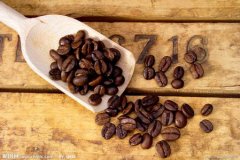
Basic knowledge of coffee beans Brazilian Santos coffee raw beans
Although Brazil produces 30 to 35% of the world's coffee annually, ranking first in the world, none of the Brazilian beans can be called the top coffee. The mountains are covered with coffee trees in southern Brazil, but Santos is the only one that can be put on the table; most of the other hastily processed beans are used to make instant coffee and easy-to-open coffee. Growth of Santos coffee
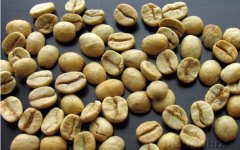
Brazil Santos Coffee Raw Bean Brazil Santos Coffee
Although Brazil produces 30 to 35% of the world's coffee annually, ranking first in the world, none of the Brazilian beans can be called the top coffee. The mountains are covered with coffee trees in southern Brazil, but Santos is the only one that can be put on the table; most of the other hastily processed beans are used to make instant coffee and easy-to-open coffee. Growth of Santos coffee

Brazil Santos Coffee Raw Bean Brazil Santos Coffee
Brazilian coffee raw bean Brazil santos coffee green bean although the annual output of Brazilian coffee reaches 30% to 35% of the world, ranking first in the world, none of the Brazilian beans can be called the top coffee. There are coffee trees all over the mountains, distributed in the south of Brazil, but Santos is the only one that can be put on the table; most of the other beans are handled hastily.
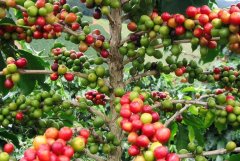
One of the original varieties of Libyan coffee beans
The Liberian species (scientific name Coffea liberica) West Africa is the origin of Liberian coffee. It has a strong adaptability to high or low temperature, humidity or dry environment, but it is not resistant to leaf rust and its flavor is worse than that of Arabica, so it is only traded or planted in some West African countries (Libya, C ô te d'Ivoire, etc.).

What are the varieties of coffee beans in Libya?
The Liberian species, the large-grained species, is native to Liberia in Africa, as well as a few countries such as Malaysia. Its cultivation history is slightly shorter than the other two coffee trees. Liberian coffee trees are suitable for growing in lowlands. Its trunk is high and strong, it is 18 meters high, its leaves are large and tough, and its fruits and coffee beans are also very large. Its seed coat is close to the seed kernel and is scarlet when it is mature. The quotation flavor is strong.
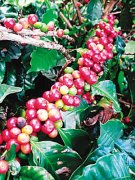
American Columbia Coffee Flavor from Vera Plateau in Huilan, Colombia
Colombia's boutique bean producing areas are mainly in the south, more than 1500 meters above sea level, including San Augustin, Huila in Huilan province, Popayan, Cauca in Cauca province, Nari ñ o province, and Tolima province, all of which have delicate sour and raspberry aromas, caramel aromas and full sweetness. A wave native to the Indian Ocean.
Classification and selection of coffee trees
Arabica Coffee and Variety improvement. What do the so-called families, genera and species of Arabica species mean in biological classification? In terms of biological classification, it is divided into boundary, phylum, class, order, family, genus and species from top to bottom, and the lower part of the species is subdivided into subspecies, varieties and varieties. Arabica coffee is generally thought to originate from the Ethiopian plateau and is widely divided.
Does Kaddura Coffee Bean belong to Arabica? what are the characteristics of Kaddura variety?
Professional coffee knowledge exchange more coffee bean information please follow the coffee workshop (Wechat official account cafe_style) Qianjie Angel Manor Coffee varieties introduction Arabica species Arabica species native in Ethiopia, Ethiopia is known as the cradle of human and coffee, myth Adam stole with Eve

What is the variety of rose coffee beans? does rose belong to Arabica beans? the characteristics of the story of rose summer
Professional coffee knowledge exchange more coffee bean information please follow the coffee workshop (Wechat official account cafe_style)
High-quality coffee common sense coffee tree classification selection
Arabica Coffee and Variety improvement. What do the so-called families, genera and species of Arabica species mean in biological classification? In terms of biological classification, it is divided into boundary, phylum, class, order, family, genus and species from top to bottom, and the lower part of the species is subdivided into subspecies, varieties and varieties. Arabica coffee is generally thought to originate from the Ethiopian plateau and is widely divided.

Colombia Huilan producing area Coffee from the Yellow Bourbon of the Vera Plateau
Colombia's boutique bean producing areas are mainly in the south, more than 1500 meters above sea level, including San Augustin, Huila in Huilan province, Popayan, Cauca in Cauca province, Nari ñ o province, and Tolima province, all of which have delicate sour and raspberry aromas, caramel aromas and full sweetness. A wave native to the Indian Ocean.

Coffee beginners must see: types and characteristics of coffee-how is coffee classified?
Professional coffee knowledge exchange more coffee bean information Please follow the coffee workshop (Wechat official account cafe_style) Coffee has gone through five steps: planting, harvesting, processing, roasting and extraction, from the crops in the mountains to the drinks in our hands. All the classifications we have seen so far are basically based on different factors / methods in these steps.
Introduction to Brazilian Coffee Raw Bean
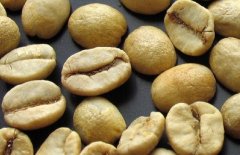
Brazilian coffee raw bean Brazil santos coffee green bean although the annual output of Brazilian coffee reaches 30% to 35% of the world, ranking first in the world, none of the Brazilian beans can be called the top coffee. There are coffee trees all over the mountains, distributed in the south of Brazil, but Santos is the only one that can be put on the table; most of the other beans are handled hastily.

A rare variety of Liberian species, namely large-grained species, native to Liberia in Africa.
The Liberian species, the large-grained species, is native to Liberia in Africa, as well as a few countries such as Malaysia. Its cultivation history is slightly shorter than the other two coffee trees. Liberian coffee trees are suitable for growing in lowlands. Its trunk is high and strong, it is 18 meters high, its leaves are large and tough, and its fruits and coffee beans are also very large. Its seed coat is close to the seed kernel and is scarlet when it is mature. The quotation flavor is strong.

Coffee from Brazil
Although Brazil produces 30 to 35 percent of the world's coffee annually, ranking first in the world, no Brazilian bean is considered top-class coffee. Coffee trees abound in the southern regions of Brazil, but only Santos can be brought to the table; most of the other lightly processed beans are used to make instant coffee and easy-to-open coffee. Santos Coffee

What is coffee? Coffee is a member of the Rubiaceae family.
Coffee is a member of the rubiaceae family. The classification of coffee plants is complex, with many varieties, subspecies and strains. Two of the most representative and commercially useful are Arabica coffee and carnivora coffee, both of which have a large variety. The coffee variety commonly referred to as Robusta is a high-yield variant of carnivora coffee. Other coffee trees
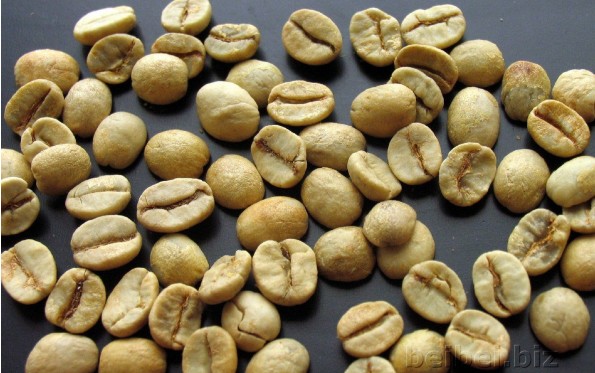
Introduction of world boutique coffee beans: Brazil Santos coffee raw bean Brazil Santos Coffee
Introduction: although the annual output of coffee in Brazil accounts for 30 to 35% of the world's coffee, there is only one kind of Santos that can be put on the table; most of the other hastily processed beans are used to make instant coffee and canned coffee. Brazil Coffee Raw Bean Brazil santos coffee green bean although the annual output of Brazilian coffee reaches 30 to 35% of the world, ranking first in the world, but