
"Vesta"
277 article(s) found

Brazilian Coffee planting time Base Map Flavor description introduction to Variety treatment in producing areas
Brazilian Coffee planting time Base Map Flavor description Variety treatment of producing areas introduction to the Great Economic crisis in 1929 the world consumption of coffee plummeted, which dealt a heavy blow to the Brazilian coffee plantation economy. Since then, the proportion of Brazilian coffee production in export earnings has plummeted. In the past 30 years, with the development of modern Brazilian industry, especially steel, shipbuilding, automobile and aircraft manufacturing,

Palmyra Coffee Bean Flavor description Taste treatment method Grinding scale Variety production area introduction
Palmyra Coffee Bean Flavor description, texture treatment, Grinding scale. Although coffee is diverse, Brazilian coffee is suitable for the taste of the public. For example, coffee produced in the northern coastal areas has a typical iodine taste, reminiscent of the sea after drinking. This coffee is exported to North America, the Middle East and Eastern Europe. There is also a kind of coffee that is interesting and worth looking for.

Introduction to the origin of taste grinding scale of coffee bean varieties in Huangbourne Manor, Queen's Manor, Brazil
Although coffee is diverse, Brazilian coffee is suitable for the taste of the public. For example, coffee produced in the northern coastal areas has a typical iodine taste, reminiscent of the sea after drinking. This coffee is exported to North America, the Middle East and Eastern Europe. Another kind of coffee that is interesting and worth looking for is washed Bahia coffee. This kind of coffee is not easy to find, because after the United States

Introduction to the flavor description and processing method of Brazilian Huangbo single coffee bean price manor region
Brazil is located in the Latin American region of the Western Hemisphere, in the eastern part of South America and on the west coast of the Atlantic Ocean. Brazil is bordered by all countries on the South American continent except Ecuador and Chile. Most of its territory lies between the equator and the Tropic of Cancer and is the most tropical country in the world. Within the territory 1x3

The Flavor of Brazilian Fine Coffee beans with mild fragrance the characteristics of the manor area introduce the flavor of Brazilian coffee.
Old bourbon coffee is grown on some estates in the Serrado district of Minas Greais state in southeastern Brazil. Old varieties of bourbon coffee grown on these estates, such as Capin Branco and Vista Allegre, are also sold on the market. Although they come from the same area, there are different kinds of coffee.
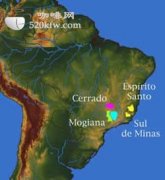
Brazilian coffee beans from the world's fine coffee production area
The low-acidity, moderately roasted coffee beans from the World Coffee Center are vividly compared to the giants and monarchs of the coffee world. There are about 3.97 billion coffee trees there, and small farmers now grow 75% of the country's coffee. The number of coffee producers in Brazil is twice or even three times that of Colombia, the second largest coffee producer in the world. With

Introduction of manor varieties by taste treatment method in the producing area with flavor characteristics of Brazilian yellow bourbon coffee beans
Brazilian yellow bourbon coffee bean flavor characteristics producing area taste treatment manor variety introduction although coffee has diversity, Brazilian coffee is suitable for the taste of the public. For example, coffee produced in the northern coastal areas has a typical iodine taste, reminiscent of the sea after drinking. This coffee is exported to North America, the Middle East and Eastern Europe. Another kind of coffee that is interesting and worth looking for is washed.
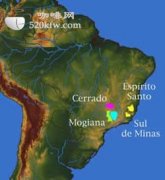
Basic knowledge of Brazilian boutique coffee beans from coffee producing area
The low-acidity, moderately roasted coffee beans from the World Coffee Center are vividly compared to the giants and monarchs of the coffee world. There are about 3.97 billion coffee trees there, and small farmers now grow 75% of the country's coffee. The number of coffee producers in Brazil is twice or even three times that of Colombia, the second largest coffee producer in the world. With

Start with coffee beans (17)-- America-Brazil
Brazil, a low-acidity, moderately roasted coffee bean from the World Coffee Center, is vividly compared to the giant and monarch of the coffee world. There are about 3.97 billion coffee trees there, and small farmers now grow 75% of the country's coffee. The number of coffee producers in Brazil is twice or even three times that of Colombia, the second largest coffee producer in the world.

High-quality coffee bean producing countries introduce Brazilian coffee
Brazil is vividly compared to the giant and monarch of the coffee world. There are about 3.97 billion coffee trees there, and small farmers now grow 75% of the country's coffee. The number of coffee producers in Brazil is twice or even three times that of Colombia, the second largest coffee producer in the world. Coffee production in Brazil: Mi in southeastern Brazil

Introduction to the treatment methods of grinding degree of Brazilian coffee varieties with good quality
Other kinds of Brazilian coffee, such as Rio and Parana, can be produced in large quantities because they do not need too much care. Although they taste rough, they can be regarded as a kind of good and cheap coffee. Because they are distributed all over Brazil and their solid quality varies, they have their own standards (NO.2~NO.8 according to the number of sundries, NO.13~NO.19 according to the size of beans, and six according to taste).
Brazilian coffee is the best coffee in Brazil.
Brazil, a low-acidity, medium-roast coffee bean from the coffee center of the world, has been figuratively compared to the giants and kings of the coffee world. There are about 3.97 billion coffee trees, and small farmers now grow 75 percent of the country's coffee. Brazil has twice or even three times as many coffee producers as Colombia, which is the world's second-largest coffee producer.

The origin of coffee in Brazil the characteristics of Brazilian coffee
Brazil is vividly compared to the giant and monarch of the coffee world. There are about 3.97 billion coffee trees there, and small farmers now grow 75% of the country's coffee. The number of coffee producers in Brazil is twice or even three times that of Colombia, the second largest coffee producer in the world. Coffee production in Brazil: Mi in southeastern Brazil

Coffee beans from the World Coffee Center Brazilian Coffee
Brazil, a low-acidity, moderately roasted coffee bean from the World Coffee Center, is vividly compared to the giant and monarch of the coffee world. There are about 3.97 billion coffee trees there, and small farmers now grow 75% of the country's coffee. The number of coffee producers in Brazil is twice or even three times that of Colombia, the second largest coffee producer in the world.

The "Giants" and "monarchs" of the Coffee World in Brazil
Brazil is vividly compared to the giant and monarch of the coffee world. There are about 3.97 billion coffee trees there, and small farmers now grow 75% of the country's coffee. The number of coffee producers in Brazil is twice or even three times that of Colombia, the second largest coffee producer in the world. Unlike in the past, Brazil's economy is less dependent on coffee.

Introduction to the characteristics of Brazilian boutique coffee flavor manor with mellow taste
The Portuguese expedition established a colony in Pakistan in the 1630s. The Governor was appointed in 1549. The entire colony was then United along the Atlantic coast under Portuguese rule. The French invaded in 1555, occupied the equivalent of present-day Rio de Janeiro, and intended to set up a French colonial stronghold in South America. However, because the French were unable to attract colonists from Europe,

What are the varieties of Brazilian coffee beans and the characteristics of Brazilian coffee beans
Following caf é (Wechat official account vdailycom) found that Beautiful Cafe opened its own small shop, Brazilian Coffee, which generally refers to coffee produced in Brazil. There are many kinds of Brazilian coffee, and like other Arabica coffee, Brazilian coffee is called Brazils to distinguish it from Milds coffee. The vast majority of Brazilian coffee is unwashed and sun-dried, according to the name of the state of origin and the port of transport

Description of Brazilian Coffee Flavor with extremely smooth entrance introduction of varieties with the characteristics of grinding degree
In terms of natural conditions, Brazil is in the tropics, with a tropical rain forest climate in the north, hot and humid all the year round, suitable for tropical crops, coffee trees are sunny crops, and sufficient sunlight is the condition for their growth. Historically, Brazil has been a Portuguese colony for a long time. In order to meet the needs of Western Europe, Brazilian coffee has been growing single crops for a long time and developing tropical plantations.

Brazilian coffee with a hint of grass flavor the characteristics of the manor producing area introduce Brazilian coffee beans
Drinking Brazilian coffee is not like drinking or fruit juice. Moderate Brazilian coffee will not only stimulate the taste, but will not feel greasy after drinking it, but will have a long aftertaste. The right amount of Brazilian coffee can moderately promote the recovery of physical fatigue, refreshing the mind. Brazilian coffee has a strong and weak taste, so you can't drink several cups in succession like tea or cola, but usually drink Brazilian coffee at 80-10.
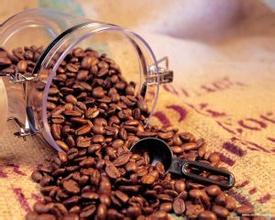
The latest introduction and information of fine coffee beans and Brazilian coffee
Brazilian coffee generally refers to coffee produced in Brazil. There is a wide variety of Brazilian coffee, the vast majority of which are unwashed and sun-dried, classified according to the name of the state of origin and the port of transport. Brazil has 21 states and 17 states produce coffee, but four of them produce the largest, accounting for 98% of the country's total output. Brazilian coffee has a low sour taste, which goes well with coffee.