
"Xincheng"
71 article(s) found

Exquisite Yunnan small grain coffee which brand of Yunnan coffee is better which brand of Yunnan coffee is better
A little knowledge of the fields. Yunnan small-grain coffee, that is, Arabica coffee, now belongs to an awkward position in the international market as well as in China. For example, coffee shops rank low in individual coffee, and the cheapest coffee is Yunnan coffee. This is an issue that cannot be avoided. Since you ask the landlord what is the difference between the main producing areas and the main producing areas, tell me about the varieties.
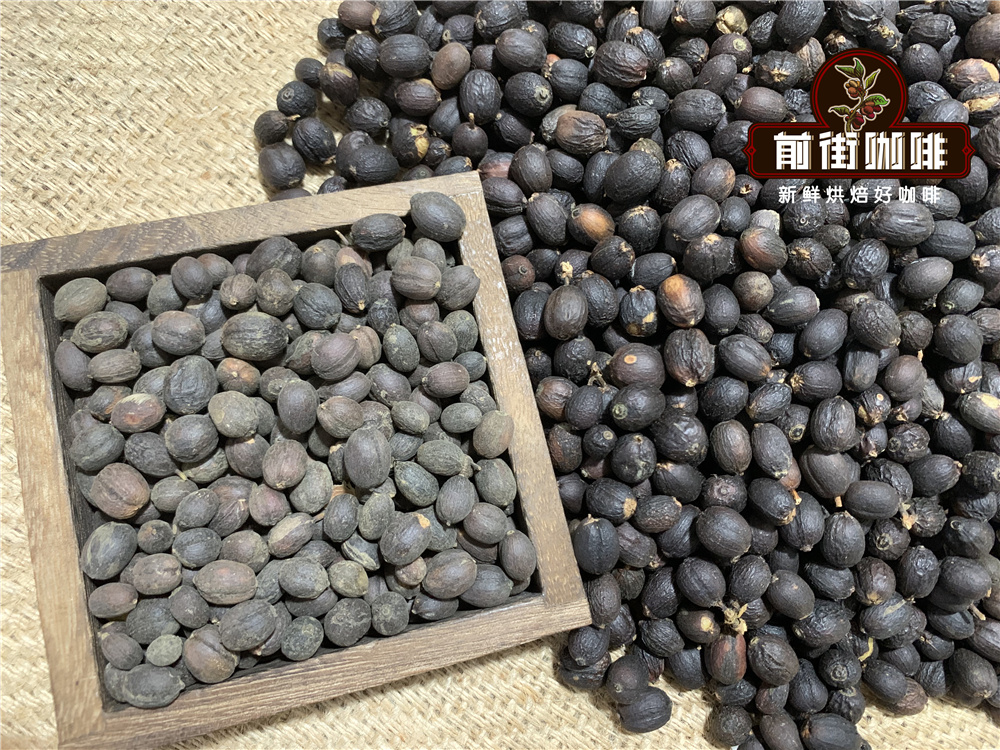
Yunnan Coffee Bean Variety Yunnan Coffee producing area History Story description of flavor and taste characteristics of 2013 small grains of coffee in Qianjie
For the future, local governments in Yunnan have also drawn a blueprint: Dehong is planning to expand the coffee planting area from the current 100000 mu to 200000 mu in the next few years; Lincang plans to expand the existing 20, 000 mu coffee forest by 10 times to 200000 mu in the 12th five-year Plan; Pu'er also plans to expand the 220000 mu coffee forest to
This year, the operation of the coffee shop is a bit "bitter".
Four years ago, European-style cafes appeared on the streets of Wenzhou and grew rapidly in the next two years. In the past two years, the business of the cafe has quietly fallen into silence. A choice is now in front of the operators. After the peak season around the Spring Festival, should the store continue to open or close its business decisively? Do you want to stick to the coffee culture, or will the transformation introduce other themes? Zheng Junjie, a reporter from ■ Wenzhou Metropolis Daily

The bottleneck in the development of Baoshan small-grain coffee is the key to improve the processing level.
It is understood that Baoshan small grain coffee is the earliest product in line with the market and the international market. It has been rated as the best coffee in the world by world-class coffee experts for many years, but now its development has encountered a bottleneck. Since most of the primary processing of peeling and degumming is done by the farmers themselves, it is difficult to unify the technology and quality standards, resulting in different quality of the newly processed coffee beans.

Where to sell coffee in Baoshan _ the development status of Baoshan small-grain coffee industry _ where is there coffee in Baoshan, Yunnan?
Professional coffee knowledge exchange more coffee bean information please follow Coffee Workshop (Wechat official account cafe_style) Yunnan, as a major agricultural province in China, has unique geographical and climatic advantages, and there are countless small resources on Yunnan land. What the editor wants to introduce to you today is coffee, a small resource product that has nothing to do with Yunnan at first glance. Yunnan small grain coffee
Drought or "death of thirst" hidden worries of expansion behind the disorderly competition of ten thousand mu coffee in Baoshan, Yunnan Province
The continuing drought has hit the coffee industry in Baoshan, Yunnan Province, one of China's largest coffee producers. According to a survey data of Longyang District Hot work Station in Baoshan City, at present, only in Longyang District, the affected area of coffee has reached 66395 mu, and 16321 mu of coffee is facing no harvest. In addition to the impact of the drought, the low price of coffee also worries many farmers.

History of introduction and expansion of Coffee in China in the early stage of Coffee Development (5)
1. From the first peak period of the development of China's coffee industry (1952-1961) to the late 1940s, according to recorded figures, there are 2173.33 hectares of rubber plantations in Hainan Island, with a total of 867600 rubber trees, with an annual output of 199,000 tons of dry rubber, and more than 300,000 coffee plants. the annual output of coffee beans is 1 ton. According to a survey in the early 1950s, there was a large amount of coffee left in Fushan area of Chengmai County, with a total of 70,000.

History of introduction and expansion of Coffee in early China (5)
1. From the first peak period of the development of China's coffee industry (1952-1961) to the late 1940s, according to recorded figures, there are 2173.33 hectares of rubber plantations in Hainan Island, with a total of 867600 rubber trees, with an annual output of 199,000 tons of dry rubber, and more than 300,000 coffee plants. the annual output of coffee beans is 1 ton. According to a survey in the early 1950s, there was a large amount of coffee left in Fushan area of Chengmai County, with a total of 70,000.
Coffee planting History of Coffee introduction and expansion in China in the early stage (5)
1. From the first peak period of the development of China's coffee industry (1952-1961) to the late 1940s, according to recorded figures, there are 2173.33 hectares of rubber plantations in Hainan Island, with a total of 867600 rubber trees, with an annual output of 199,000 tons of dry rubber, and more than 300,000 coffee plants. the annual output of coffee beans is 1 ton. According to a survey in the early 1950s, there was a large amount of coffee left in Fushan area of Chengmai County, with a total of 70,000.
The History of Coffee introduction and expansion in China in the early stage (5)
1. From the first peak period of the development of China's coffee industry (1952-1961) to the late 1940s, according to recorded figures, there are 2173.33 hectares of rubber plantations in Hainan Island, with a total of 867600 rubber trees, with an annual output of 199,000 tons of dry rubber, and more than 300,000 coffee plants. the annual output of coffee beans is 1 ton. According to a survey in the early 1950s, there was a large amount of coffee left in Fushan area of Chengmai County, with a total of 70,000.
Development Strategy of Coffee Industry in Yunnan
First, the course of coffee industry in Yunnan (1) A brief history of the introduction of coffee in Yunnan is the product of foreign missionary work. After Burma became a British colony, British missionaries went to the Kachin region of Myanmar to preach, and the missionaries grew coffee for their own use. Then the Jingpo people in this area gradually began to grow coffee. As the Jingpo people live across borders, with the exchange of visiting relatives and friends, intermarriage and exchange, coffee comes in.