
"approximate"
965 article(s) found

Ethiopian cooperatives introduce African boutique coffee beans
Production area of Sigiga Cooperative (1600-2500 m): Gedeo-Kochere Cochel members: 1862 people Land attribute: red Brown soil Certificate: Fair Trade Fair Trade, UTZ Sustainable cultivation, Organic Organic Coffee Finchewan Cooperative (1450-2000 m) production area: Gedeo-Wenago Vina members: 1271 people Land attribute: reddish Brown

Coffee knowledge introduces the distinction between raw beans, new beans and old beans
After dry and wet processing, coffee fruit becomes coffee raw bean (Raw bean/Green bean). The main components of raw beans are: carbohydrates, about 49%; moisture, about 12%; protein. About 11%; chlorogenic acid, about 7.6% alkaloids and trace elements, about 0.4%. According to the length of time, raw beans can be divided into: seasonal beans (Current Cro)

6 Types of Ethiopian Coffee
1. Limu coffee grows between 1400 meters and 2000 meters above sea level. washed coffee. Excellent quality, with intense nutty aromas, moderate acidity and wine intensity. Annual production of 29,000 tons. Gima coffee grows between 1400 and 1800 meters above sea level. Sunburn coffee. Slightly sour, nutty and long finish. Annual production of 70,000 tons. 3. Gambi coffee grows
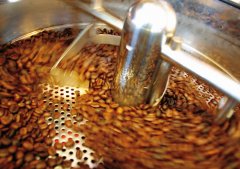
Introduction of six kinds of world-famous Ethiopian coffee beans
1. Limu coffee grows between 1400 meters and 2000 meters above sea level. Wash the coffee. Excellent quality, with strong nut aromas, suitable acidity, with the intensity of wine. The annual output is 29000 tons. 2. Jima Coffee grows between 1400 and 1800 meters above sea level. Sun-baked coffee. Slightly sour, with nutty aromas and a long finish. The annual output is 70000 tons. 3. Growth of Gamby Coffee

General knowledge of boutique coffee six kinds of world-famous Ethiopian coffee
1. Limu coffee grows between 1400 meters and 2000 meters above sea level. Wash the coffee. Excellent quality, with strong nut aromas, suitable acidity, with the intensity of wine. The annual output is 29000 tons. 2. Jima Coffee grows between 1400 and 1800 meters above sea level. Sun-baked coffee. Slightly sour, with nutty aromas and a long finish. The annual output is 70000 tons. 3. Growth of Gamby Coffee
Coffee raw beans: the difference between new beans and old beans
Coffee training knowledge: coffee raw beans: new beans and old beans. After dry and wet processing, coffee fruit becomes coffee raw bean (Raw bean/Green bean).

Boutique coffee beans the world-renowned Essex coffee producing area boutique caffeine
Boutique coffee (specialty coffee) is also called specialty coffee selection coffee. It refers to coffee made from a small number of raw beans with excellent taste grown in an ideal geographical environment. Depending on the special soil and climatic conditions in which they grow, they have outstanding flavor. After strict selection and classification, this kind of coffee is hard in texture, rich in taste and stylish.

Coffee growing place in C ô te d'Ivoire-- Environmental Weather requirements for Coffee cultivation
Ivory Coast Coffee growing area-Coffee planting conditions Weather requires that the development of Ivorian cocoa and coffee industry is basically divided into three stages: the first stage, 1960-1990, is the stage of government monopoly, the government through the national support for agricultural production price stabilization fund CSSPPA (CAISSE DE STABILISATION ET DE SOUTIEN DE PRIX DE PRODUCTION AGRIC)

Introduction to the method of variety treatment in the production area of 90 + Ethiopian coffee beans
90 + Grinding scale production of Ethiopian coffee beans introduction of variety treatment in Ethiopia, coffee grading and quality control system is divided into three levels: producer, regional and national. All coffee is inspected by local inspection agencies before leaving the country of origin, and then re-tested at the coffee inspection and grading centers in Addis and Diredawa to determine its quality grade. Coffee

How is Ethiopian coffee traded? introduction to the price of Ethiopian coffee beans.
For more information on coffee beans, please follow coffee workshops (Wechat official account cafe_style) according to the Ethiopian decree, there are three coffee export systems, (1) the largest privately owned processing plant system for export through competitive ECX, (2) the cooperative system, and (3) the single farm system. In these three systems, cooperatives and single manors are not thorough.
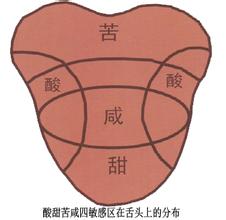
Correct the taste distribution of the tongue Coffee tongue Taste training Coffee Flavor characteristics
Scientists have found that the "tongue taste distribution map" mentioned in the previous cup test textbook needs to be revised. Although these textbooks point out the approximate position where the tongue accepts sweet, sour, salty and bitter taste, this classification may not be suitable for everyone. In fact, the human tongue is actually a receptor for a comprehensive sense of taste, and everyone has a variety of tastes.

Boutique coffee beans common sense Ethiopian mocha coffee beans
Ethiopia (Ethiopia) is one of the major producers of Arab coffee beans in Africa, producing the best Arab mocha beans in the world. It is said that coffee beans were first discovered by shepherds in the Kafa region of Ethiopia, and the name of coffee evolved from Kafa, so Ethiopia is still the hometown of coffee. Production and processing of coffee beans in Ethiopia

A brief introduction to the description of Coffee Flavor and aroma characteristics of Coffee Manor in Ethiopia (Moka)
Due to different planting methods, coffee can be divided into three types: forest-semi-forest coffee (Forest or semi-forest coffee), courtyard coffee (Garden coffee) and plantation coffee (Plantation coffee). 60% of the coffee belongs to forest-semi-forest coffee. In such a wild coffee forest, pesticides are not used at all, but biological methods are used to control pests. 35% of the coffee
Start with coffee beans (30)-Africa-Madagascar
The best is coming. Madagascar (Madagascar) is basically a producer of robusta coffee, but plans to increase the cultivation of Arabica beans. Since 1989, the coffee industry on the island has been privatized and many regulations have been lifted, with a total output of about 1 million bags a year. As Malagasy people like to drink coffee, the domestic consumption of coffee is very high. The

Wikipedia Analysis of the term BARISTA Coffee
Translation material From Wikipedia, "The free encyclopedia" Wikipedia, free encyclopedia. Since approximately 1990, the term barista (the Italian word for bartender-masculine or feminine; plural: baristi (masculine) or bariste (feminine)) has been us

The difference between Arabica and Robusta Coffee Basics
Arabica Coffee Beans Coffea arabica is known as Arabica coffee 70% of the worlds coffee production is from Arabica beans. Arabica coffee is grown in Central and North America, The Carribean, South America, Eastern Africa, Yemen, Papua New

The characteristics of Malagasy coffee
The Malagasy government plans to develop about 2000 hectares of Robbite coffee plantations and about 5000 hectares of Arabica coffee plantations. Therefore, the development of the coffee industry on the island depends on its potential in Arabian coffee, and once successfully developed, this coffee is expected to become the best. The origin of Madagascar coffee: Madagascar (Madagascar) is basically Robbins.

Coffee beans compare the difference between Arabica and Robusta
Arabica Coffee Beans Coffea arabica is known as Arabica coffee 70% of the worlds coffee production is from Arabica beans. Arabica coffee is grown in Central and North America, The Carribean, South America, Eastern Africa, Yemen, Papua New

BARISTA Coffee Noun Boutique Coffee Studies
From Wikipedia, The free encyclopedia. Since approximately 1990, the term barista (the Italian word for bartender - masculine or feminine; plural: baristi (masculine) or bariste (feminine)) has been us

Global Coffee Origin-Madagascar
The Malagasy government plans to develop approximately 2000 hectares of robert coffee plantations and approximately 5000 hectares of arabica coffee plantations. Therefore, the development of the island's coffee industry depends on its potential for Arabica coffee, which, once successfully exploited, promises to be excellent. Madagascar coffee origin: Madagascar (Madagascar) is basically Roscoff