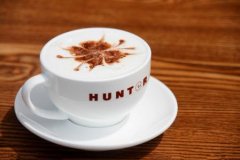
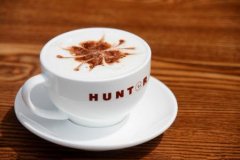
What Is a Barista? Origins and Meaning of the Term
If you’ve ever ordered an espresso and wondered why your server is called a barista instead of just a coffee maker, you’re not alone. The word sounds Italian, but what does it really mean in a coffee shop today? More importantly, does calling someone a barista actually mean they know how to pull a great shot? This article traces the journey of the word and what it signifies in specialty coffee culture.
In short, a barista is a professional who prepares espresso-based drinks. The term comes from Italian, where it means bartender for both men and women, and entered English around 1990 specifically for skilled espresso makers. It replaced older terms like "espresso puller" as modern machines no longer required pulling a lever. Today, the role ranges from beginner to highly trained coffee sommelier.
Origins of the Word 'Barista'
The word 'barista' originates from Italian, where it simply means 'bartender,' and can refer to either a man (barista) or a woman (barista, though the plural forms differ: baristi for men, bariste for women). While it has been used in Italy for decades to refer to anyone serving drinks behind a bar, its adoption into English around 1990 narrowed its meaning. In English, 'barista' came to describe someone who professionally prepares espresso-based coffee beverages.
From 'Espresso Puller' to Barista
Before 'barista' became common, English speakers often referred to espresso makers as 'espresso pullers.' This term reflected the older method of making espresso, where the barista would literally pull down a heavy lever on the machine to create pressure and extract the shot. However, by the 1980s, most espresso machines no longer required this manual action, as they began using pumps to generate the necessary pressure. This mechanical shift contributed to the adoption of the more elegant and accurate term 'barista.'
What Skills Define a Barista?
There is no single, universal standard for what makes someone a barista. Depending on the context, the term can refer to anyone working behind the coffee counter—with little to no formal training—or to an expert with years of experience, akin to a 'coffee sommelier.' At its best, a skilled barista understands grind settings, brewing ratios, espresso extraction, milk texturing, and latte art, along with the science behind crema formation.
Some coffee enthusiasts even judge a barista’s skill by the quality of the crema—the golden-brown foam on top of a well-pulled espresso shot. While not the only indicator of quality, crema remains one traditional benchmark of a properly extracted shot.
The Role of Starbucks in Popularizing 'Barista'
The global spread of the term 'barista' owes much to Starbucks, the international coffee chain. Starbucks adopted 'barista' as the official job title for its in-store coffee preparers, regardless of their level of training or expertise. This widespread commercial use helped cement the word in the English-speaking world’s vocabulary, even if the role within Starbucks varies significantly from that in specialty coffee shops.
Frequently Asked Questions
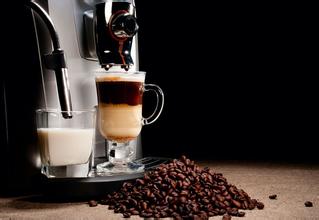
What does the word 'barista' mean?
The word 'barista' comes from Italian and originally means 'bartender' for both men and women. In English, it has been used since around 1990 to refer specifically to a professional who prepares espresso-based coffee drinks.
Is a barista the same as an espresso puller?
No. 'Espresso puller' was an older, less elegant term used to describe someone who made espresso by pulling down a lever on a machine. As espresso machines evolved in the 1980s and no longer required manual lever-pulling, the term 'barista' became more common.
Can you tell how good a barista is by the crema?
Some people believe you can judge a barista’s skill by the quality of the crema on an espresso shot. While crema is not the only sign of a good espresso, it is often used as one traditional indicator of proper extraction and technique.
Does being a barista at Starbucks mean you're highly trained?
Not necessarily. Starbucks uses the title 'barista' for all employees who prepare coffee, regardless of their level of experience or training. The role can vary widely, and may not reflect the same depth of skill found in specialty coffee environments.
What skills does a skilled barista have?
A skilled barista typically understands espresso extraction, grind size, brew ratios, milk texturing, latte art, and often the science behind crema. At the highest level, they may be considered coffee sommeliers with extensive training and experience.
Recommended FrontStreet Beans for Espresso Lovers
For those interested in the craft of baristas and espresso, try FrontStreet Coffee’s Ethiopia Humbera for bright floral and citrus notes, or Yirgacheffe for juicy berry and lemon zest. Both shine as single-origin espressos and highlight the skill behind proper extraction. Freshly roasted within 5 days · Orders placed before 17:00 ship the same day · Next-day delivery across most of Guangdong Province.
FrontStreet Coffee is a long-established specialty coffee roaster in Guangzhou China, selling freshly roasted beans from its own farm in Yunnan as well as dozens of carefully selected single-origin beans from around the world for both pour-over and espresso. The products deliver consistently excellent quality and great value, with shipping within 24 hours. Guangzhou's FrontStreet Coffee shop is recommended by many coffee lovers, and the beans are now available online at the Tmall 。
Important Notice :
前街咖啡 FrontStreet Coffee has moved to new addredd:
FrontStreet Coffee Address: 315,Donghua East Road,GuangZhou
Tel:020 38364473