
"colder"
575 article(s) found

An introduction to the coffee producing areas of Kenya that are suitable for growing Arabica beans.
The first coffee grown in Kenya dates back to 1893. Coffee was later grown on a large scale by the British on the plateau at an altitude of 1400 to 2100 meters, where there is volcanic ash soil rich in organic matter. In fact, most coffee is now grown on the flatter slopes around the snow-capped Mount Kenya (the main peak is 5199 meters high), and all of Kenya is located in the tropical monsoon.

The topographical and climatic conditions in Kenya are very suitable for the growth of high-quality coffee.
Kenyan coffee dates back to 1893. Coffee was later grown on a large scale by the British on the plateau at an altitude of 1400 to 2100 meters, where there is volcanic ash soil rich in organic matter. In fact, most coffee is now grown on the flatter slopes around the snow-capped Mount Kenya (the main peak is 5199 meters high). Kenya is located in the tropical monsoon area.

Introduction to the flavor of Guatemala Antigua coffee beans and Guatemalan coffee manor
Guatemala is located in the tropics, the northern and eastern coastal plains have a tropical rain forest climate, the southern mountains have a subtropical climate, the year is divided into two dry and wet seasons, with the wet season from May to October and the dry season from November to April of the following year. The central plateau is also the cultural center of Guatemala, where temperatures are mild all year round at an altitude of 1300 to 1800 meters, with daily temperatures between 18 and 28 ℃, and higher in January

Nicaraguan Maraka Dura Coffee Flavor description, Grinding characteristics, introduction to the taste of varieties
This is because Guatemala is located in the tropics, the northern and eastern coastal plains have a tropical rain forest climate, and the southern mountains have a subtropical climate, with two dry and wet seasons a year, with the wet season from May to October and the dry season from November to April of the following year. The central plateau is also the cultural center of Guatemala, where temperatures are mild all year round at an altitude of 1300 to 1800 meters, with daily temperatures between 18 and 28 ℃.

The technological process of Humbera coffee beans recommended by Shanquan treatment plant in Esseguji production area
The quality of Qianjie Huakui coffee beans has always been very excellent. The boutique coffee was harvested near the city of Hambella in the Guji region of Ethiopia. The area is more than 2000 meters above sea level. Few plantations are located at this altitude, which is why this naturally processed coffee has a rich fruity flavor and a sweet return of sugar. Huakui in Qianjie is from Shanquan treatment plant.

Do you know? Hot coffee brings better health benefits than cold coffee.
Professional coffee knowledge exchange more coffee bean information Please follow the coffee workshop (Wechat official account cafe_style) for coffee lovers, the change of season often changes the habit of drinking coffee every morning, and the iced coffee in hand gradually heats up into hot coffee as the temperature rises. Of course, both can provide you with much-needed caffeine, but a new study shows

Introduction to the characteristics of Yejia Coffee, Grinding scale, Manor Flavor description
Yega Chuefei coffee features taste grinding scale manor flavor description variety introduction 1. Arabica grows Arabica beans, and the world-famous Blue Mountain Coffee and Mocha Coffee are almost all Arabica varieties. Shape: the shape of the bean is small, the front is long oval, the middle crack is narrow and tortuous, and the arc on the back of the bean is flat, uniform in size and shiny in color. Origin: a

Introduction to the method of variety treatment in the production area of Costa Rican yellow honey coffee flavor description and grinding scale
Costa Rican yellow honey coffee flavor description grinding scale production area variety treatment method introduction aroma: both dry and wet aroma have obvious maple syrup aroma, that is, the sweet feeling of high-quality shallow baked beans pectin fructose is very different from caramel; hot smell is very high, similar to grapefruit, a little cold or diluted to identify melons. Taste: the taste of melon in the mouth is obvious, with a little firmness.

Description of Coffee Bean Flavor by Costa Rica Yellow Honey treatment introduction of Grinding scale in Manor area
Costa Rican honey-treated coffee bean flavor description of the manor area grinding scale introduction high-quality Costa Rican coffee is called extra hard beans, this kind of coffee can grow at an altitude of more than 1500 meters. Altitude has always been a problem for coffee growers. The higher the altitude, the better the coffee beans, not only because higher altitude can increase the acidity of coffee beans and thus increase the flavor.
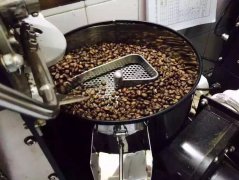
Robusta is one of the most important varieties of coffee in the world.
Robusta species (scientific name Coffee Robusta Linden) is one of the most important coffee tree varieties in the world. The leaf rust-resistant varieties found in Congo in Africa have stronger disease resistance than Arabica. In the general coffee market, many people like to compare robusta and Arabica coffee beans, which is incorrect. In fact, the Robusta species was originally from the Congo.

Introduction to the characteristics of fine coffee beans in taste producing areas of Antigua coffee in Guatemala
Guatemala is a presidential republic in Central America, located in the south of the North American continent. It is bordered by the Pacific Ocean to the west, the Caribbean Sea to the east, Mexico to the north and Honduras and El Salvador to the southeast. Coffee was really introduced into Guatemala in 1750 by Father Jesuit, and the coffee industry was developed by German colonists at the end of the 19th century.

Introduction to the Flavor and Taste Manor production area of Coffee growing area in Guatemala
Guatemala is located in the tropics, the northern and eastern coastal plains have a tropical rain forest climate, the southern mountains have a subtropical climate, the year is divided into two dry and wet seasons, with the wet season from May to October and the dry season from November to April of the following year. The central plateau is also the cultural center of Guatemala, where temperatures are mild all year round at an altitude of 1300 to 1800 meters, with daily temperatures between 18 and 28 ℃, and higher in January

Flavor description and taste treatment of Costa Rican yellow honey coffee beans
Description of the species and flavor of Costa Rican yellow honey coffee beans the taste treatment of Costa Rican coffee has a long history, but in the past 10 years, even more cutting-edge dry treatment has become a trend, collectively known as the new method of honey treatment. the function of using the scraper to adjust the scraping degree of the pulp produces a sense of honey from light to strong with the color from light to dark (white, yellow-red-white, yellow-red-black) and sour.

What are the main types of coffee beans?
The main types of coffee trees: the first species of Arabica is Arabica beans, which account for 70% of the world's output. The world-famous Blue Mountain Coffee and Mocha Coffee are almost all Arabica species. The other is the Robasta species, which is native to the Congo in Africa and accounts for about 20% to 30% of the world's output. Different varieties of coffee beans have different flavors.

The flavor and taste characteristics of Guatemalan coffee manor with rich volcanic soil introduce Latisa Villa.
This is because Guatemala is located in the tropics, the northern and eastern coastal plains have a tropical rain forest climate, and the southern mountains have a subtropical climate, with two dry and wet seasons a year, with the wet season from May to October and the dry season from November to April of the following year. The central plateau is also the cultural center of Guatemala, where temperatures are mild all year round at an altitude of 1300 to 1800 meters, with daily temperatures between 18 and 28 ℃.
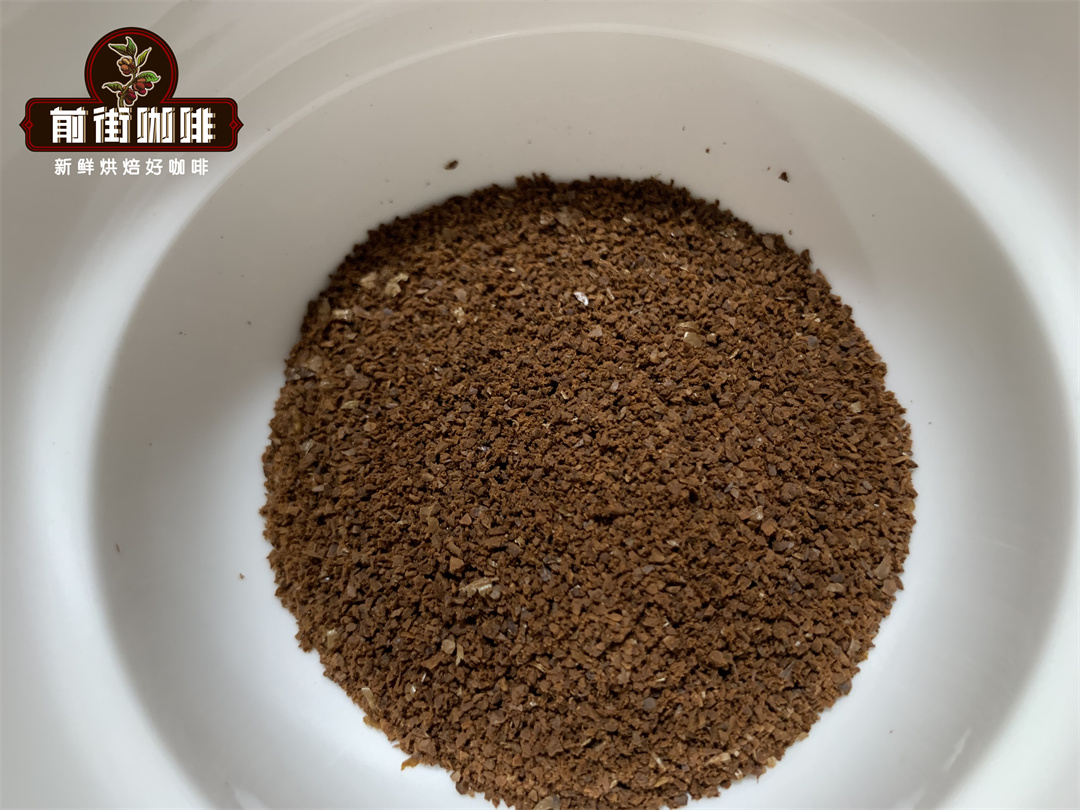
Coffee powder the easiest way to drink coffee beans must be ground into coffee powder before brewing?
Coffee drinkers always say that coffee beans should be ground immediately before making coffee, because once it is ground, it will have more surface area, which oxidizes the delicious things in the coffee. This is just a subtle distinction that only serious coffee snobs will notice, or can anyone notice? After grinding

The Fine Coffee Manor of Guatemala introduces the flavor and taste of Guatemalan coffee
Antigua is the oldest and most beautiful city in America. As early as 1543, Antigua was the capital of all colonial times in Central America, and the Government House of Spain was also set up here. After the great earthquake of 1773, the volcano destroyed the once-prosperous capital in an instant, robbing it of all its prosperity and beauty overnight. Antigua was completely destroyed, so the capital was relocated.

The difference between single Coffee and Italian Coffee does single Coffee have a flavor
Professional coffee knowledge exchange more coffee bean information please follow the coffee workshop (Wechat official account cafe_style) popular science | Coffee variety knowledge, individual coffee type and taste introduction, single bean price if you go to the coffee bean roaster to find coffee, you won't find a mocha or latte because it's seasoned and processed coffee can be found in the coffee roaster.

Guatemala Antigua Flower God Coffee Flavor description characteristics of Grinding degree introduction of Variety producing areas
Guatemala is a presidential republic in Central America, located in the south of the North American continent. It is bordered by the Pacific Ocean to the west, the Caribbean Sea to the east, Mexico to the north and Honduras and El Salvador to the southeast. Coffee was really introduced into Guatemala in 1750 by Father Jesuit, and the coffee industry was developed by German colonists at the end of the 19th century.

What is robusta coffee? One of the most important varieties of coffee in the world
Robusta is one of the most important coffee tree varieties in the world. Robusta species (scientific name Coffee Robusta Linden). The leaf rust-resistant varieties found in Congo in Africa have stronger disease resistance than Arabica. In the general coffee market, many people like to compare robusta and Arabica coffee beans, which is incorrect. In fact, the Robusta progeny