
"declaration"
1866 article(s) found

Interesting German statement on banning Coffee
Frederick the Great of Germany issued a declaration banning coffee in 1777, which made it clear that he was partial to beer. This statement is interesting and worth reading: it breaks my heart to learn that our people's coffee consumption is increasing and our country's money is flowing out. Excessive soaking in coffee all over the world must be strictly prohibited and corrected. Beer is our nation's drink, and our people must not give it up. I, my ancestors and the officials of the whole country all drank.

Coffee ban in History Coffee Culture History
Although coffee has become a necessity of people's life, no one would think that coffee is harmful to the human body, but in history, coffee was regarded as the embodiment of the devil. Let's take a look at the tragic fate of coffee at different historical stages in different countries. 1. Mecca (Saudi Arabia) the ruler of Mecca banned people from drinking coffee in 1511. The authorities believe that drinking coffee will make people do it.

Did you know that delicious coffee was banned once?
Although coffee has become a necessity of people's life, no one would think that coffee is harmful to the human body, but in history, coffee was regarded as the embodiment of the devil. Let's take a look at the tragic fate of coffee at different historical stages in different countries. 1. Mecca (Saudi Arabia) the ruler of Mecca banned people from drinking coffee in 1511. The authorities believe that drinking coffee will make people do it.
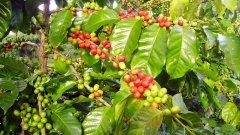
The World Coffee producers Forum calls for immediate and serious action on coffee prices
For more information on coffee beans, please follow the Coffee Workshop (official Wechat account cafe_style) recently, the World Coffee producers' Forum issued an official declaration calling for immediate and serious action on historically low international coffee prices. The declaration lists 13 groups of coffee producers, including the National Coffee Federation of Colombia (FNC). Send it in Colombia

Do you know anything about coffee bans in history?
Although coffee has become a necessity of people's life, no one would think that coffee is harmful to the human body, but in history, coffee was regarded as the embodiment of the devil. Let's take a look at the tragic fate of coffee at different historical stages in different countries. 1. Mecca (Saudi Arabia) the ruler of Mecca banned people from drinking coffee in 1511. The authorities believe that drinking coffee will make people do it.

Having a cup of coffee while having class? The most romantic major will be Yunnan Agricultural University.
Have you ever heard of such a romantic and interesting class in college class, such as identifying coffee beans, learning to taste coffee and making fancy coffee? Yunnan Agricultural University will declare the coffee and coffee project, relying on the Tropical crops College, not only to enable students to master coffee production, consumption, trade and other related knowledge, but also to train students to identify coffee varieties, master coffee services, brew coffee and other specialties.

Deep excavation of the quality characteristics of Pu'er Coffee
In recent years, Yunnan Standardization Institute and Pu'er quality Supervision Bureau have comprehensively excavated the quality characteristics of Pu'er coffee. The relevant personnel visited the production, processing, testing, research and marketing departments and enterprises such as Pu'er entry-exit Inspection and Quarantine Bureau, Pu'er Tea Coffee Bureau, National Coffee key Laboratory, Yunnan Simao Beigui Coffee Co., Ltd., visit local senior coffee experts and hold seminars.
Interesting German "statement on banning Coffee" Common sense of Coffee Culture
Frederick the Great of Germany issued a declaration banning coffee in 1777, which made it clear that he was partial to beer. This statement is interesting and worth reading: it breaks my heart to learn that our people's coffee consumption is increasing and our country's money is flowing out. Excessive soaking in coffee all over the world must be strictly prohibited and corrected. Beer is our nation's drink, and our people must not give it up. I, my ancestors and the officials of the whole country all drank.
Policy Analysis of Coffee Industry in Cafe
According to the relevant laws of China, coffee beans and their peripheral products (except sugar) are free trade goods. The relevant policies and regulations related to the import of coffee beans in China mainly include: (1) the import tax rate and regulatory conditions are related to the import tax rate and regulatory conditions. Professional coffee machine (boiler above 10 liters / excluding 10 liters) can apply for 3C exemption. The label belongs to the scope of commodity inspection, which is stipulated from 2.

Improvement of internationalization level of coffee industry in Pu'er city
Pu'er City actively promotes coffee export, promotes the internationalization level of coffee industry, and establishes a national coffee industry well-known brand demonstration zone. Last year, one coffee enterprise in Pu'er City passed the world fair trade certification, one enterprise passed the ecological origin protection assessment, and coffee was exported to 26 countries (regions). From January to February this year, Pu'er City exported a total of 35 batches and 2254.8 tons of coffee beans.

Flavor description of Arusha Coffee Manor in Tanzania introduction of boutique Coffee in Variety producing area
In 1886, Tanganyika Inland was placed under the German sphere of influence. In November 1917, British forces occupied the whole territory of Tanganyika. In 1920, Tanganyika became a British mandate. In 1946, the United Nations General Assembly adopted a resolution to change it into a British trust. On May 1, 1961, Tanzania achieved internal autonomy. On December 9 of the same year, independence was declared, and the Republic of Tanganyika was established a year later. Zanzibar became a British guarantor in 1890

Analysis of the policy of China's import and export coffee industry the process of coffee bean import
According to the relevant laws of China, coffee beans and their peripheral products (except sugar) are free trade goods. The relevant policies and regulations related to the import of coffee beans in China mainly include: (1) the import tax rate and regulatory conditions are related to the import tax rate and regulatory conditions. Professional coffee machine (boiler above 10 liters / excluding 10 liters) can apply for 3C exemption. The label belongs to the scope of commodity inspection, which is stipulated from 2.

International Coffee Festival that you don't know | takes you to understand the significance of International Coffee Organization
Professional coffee knowledge exchange more coffee bean information please follow the coffee workshop (Wechat official account cafe_style) you love coffee you have drunk a lot of coffee from the producing areas! Do you like the flower and fruit aroma of Ethiopia, the sour and sweet taste of Kenya, the rich flavor of Mantenin or the sweetness of Panama? If you have drunk all these, then I believe you are indeed a coffee glutton. After all, there are only

Coffee short story-German coffee
In 1721, the earliest coffee shop in Germany was born in Berlin. As soon as cafes became popular in Germany, they were restricted by the local authorities. Therefore, compared with other countries, the development of German coffee is relatively simple. It was not until the early 19th century that coffee became one of the best money-making tools at the disposal of Germans. Coffee farming was vigorously developed in Latin America and Central America in the mid-19th century.
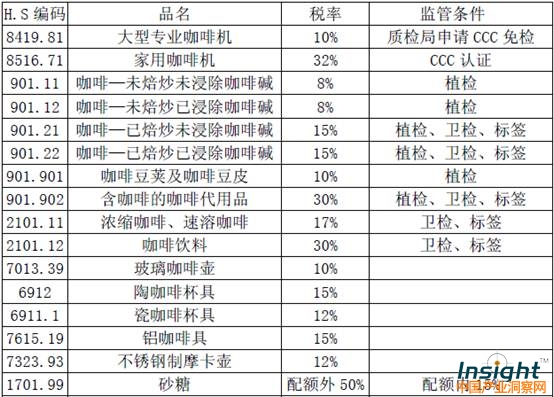
Development trend of Coffee in China Coffee Industry Policy Analysis of Yunnan Coffee in China
According to the relevant laws of China, coffee beans and their peripheral products (except sugar) are free trade goods. The relevant policies and regulations related to the import of coffee beans in China mainly include: (1) the import tax rate and regulatory conditions are related to the import tax rate and regulatory conditions. Professional coffee machine (boiler above 10 liters / excluding 10 liters) can apply for 3C exemption. The label belongs to the scope of commodity inspection, which is stipulated from 2.

Coffee short Story German Coffee Culture History
In 1721, the earliest coffee shop in Germany was born in Berlin. As soon as cafes became popular in Germany, they were restricted by the local authorities. Therefore, compared with other countries, the development of German coffee is relatively simple. It was not until the early 19th century that coffee became one of the best money-making tools at the disposal of Germans. Coffee farming was vigorously developed in Latin America and Central America in the mid-19th century.

Coffee culture story The origin of German coffee
In 1721, Germany's first café was founded in Berlin. Cafes in Germany have just begun to flourish and are subject to many restrictions by local authorities. Therefore, compared with other countries, the development of German coffee is relatively single. It wasn't until the early 19th century that coffee became one of the best money-making tools available to Germans. Coffee growing in Latin and Central America in the mid-19th century

Introduction of Coffee Flavor and Taste characteristics of Congo Manor in Nicaragua
Columbus arrived here in 1502 and reached the east coast of Nicaragua. In 1522, Spanish colonists began to conquer the region. The cities of Granada and Leon were founded in 1524. From then on, Nicaragua became a Spanish colony and came under the jurisdiction of the Governor's Office of Guatemala. The city of Leon developed into a political and cultural center; Granada became a commercial and agricultural center. In the later period of colonial rule

The History of Fine Coffee Culture Coffee Culture in Germany
In 1721, the earliest coffee shop in Germany was born in Berlin. As soon as cafes became popular in Germany, they were restricted by the local authorities. Therefore, compared with other countries, the development of German coffee is relatively simple. It was not until the early 19th century that coffee became one of the best money-making tools at the disposal of Germans. The vigorous development of coffee cultivation in Latin America and Central America in the mid-19th century
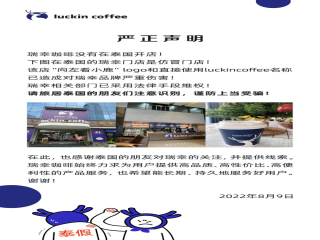
Luckin Coffee rushed out of the country and appeared on the streets of Thailand?! Lucky official clarification: Thai leave!
Luckin Coffee, who has successfully made a comeback, has become a national coffee brand since he was labeled as a disgrace to Chinese stocks at that time. As a wanderer, in a foreign land, if you see the brand of your hometown, you will certainly feel proud and even moved. Recently, a picture of Luckin Coffee in Thailand has been circulated on the Internet. Official Luckin Coffee solemnly declared: