When Coffee Was Banned Around the World
Imagine walking into a coffee shop today and being told you can’t have a cup—not because it’s sold out, but because the government made it illegal. That really happened. Throughout history, coffee triggered fear, suspicion, and outright bans in multiple countries. Rulers, religious leaders, and even kings were convinced it was dangerous. But why?
Over five key historical cases—Mecca in 1511, Italy in the 16th century, the Ottoman Empire in 1623, Sweden in 1746, and Persia in 1777—coffee was banned, regulated, or condemned as a threat to public order, morality, or the beer industry.
1. Mecca Bans Coffee in 1511

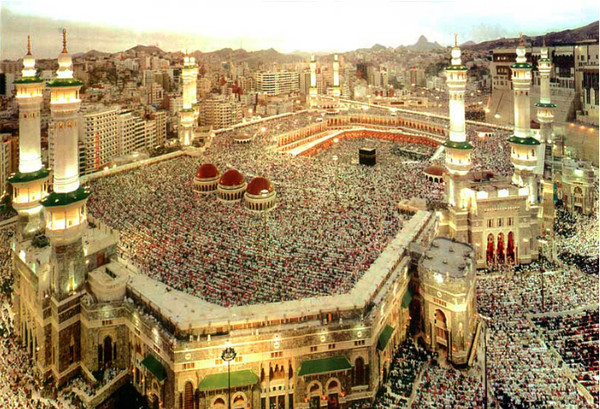
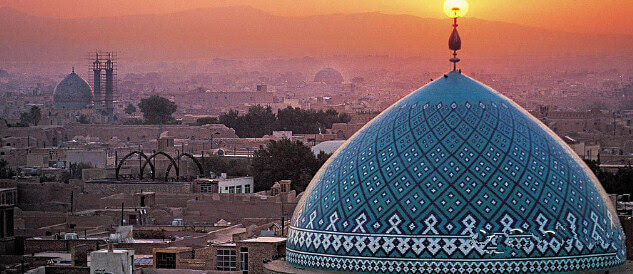
In 1511, the governor of Mecca issued a ban on coffee, fearing it stirred political dissent and moral laxity. Local religious authorities, particularly from the Sufi community, were also concerned. They objected to worshippers drinking coffee before prayers, claiming it affected their focus and amounted to disrespect toward God. The ban reflected broader anxieties about coffeehouses as spaces for uncontrolled discussion and potential rebellion.
2. Early European Skepticism and the Pope’s Verdict
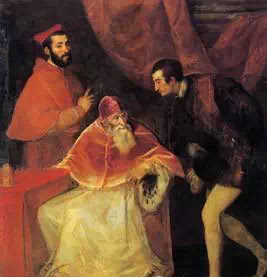
Coffee arrived in Europe in the 16th century, but many countries initially regarded it as a “devil’s drink.” The drink’s foreign origins and stimulating effects aroused suspicion. The turning point came when Pope Clement VIII tasted coffee around 1600. After trying it, he declared coffee acceptable for Christians, even “blessed,” paving the way for coffeehouses to spread across the continent. His approval helped shift public perception and legitimize the beverage among European elites.
3. Murad IV’s Harsh Coffee Laws in the Ottoman Empire
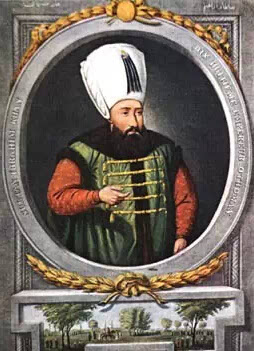
In 1623, Sultan Murad IV of the Ottoman Empire took a severe stance against coffee. Upon ascending the throne, he issued laws banning its consumption. First-time offenders were flogged. Repeat offenders faced a grim punishment: they were sewn into a leather bag and thrown into the Bosphorus Sea. The ban was partly rooted in concerns that coffeehouses were becoming hubs for political dissent and social unrest, threatening the stability of his rule.
4. Sweden’s Failed Experiment with Coffee Prohibition
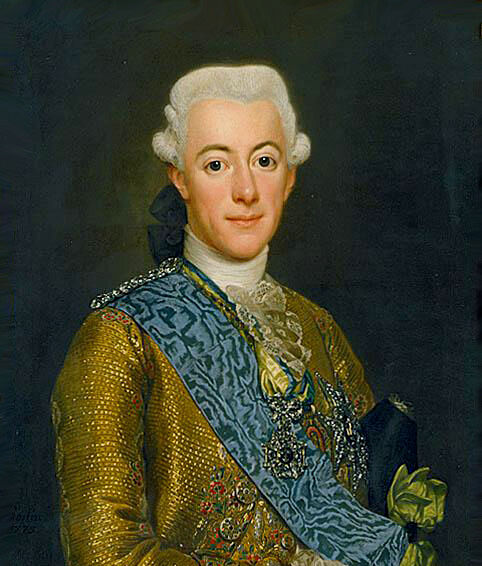
In 1746, King Gustav III of Sweden outlawed coffee and banned all coffee-related utensils, including cups and saucers. The king, supported by his government, was convinced of coffee’s harmful effects. In a bizarre twist, he ordered doctors to conduct experiments on condemned prisoners to determine the fatal dose of coffee. Ironically, the trials became a form of torture for the physicians, not the inmates. The ban reflected early 18th-century Swedish anxieties about foreign influences and public health.
5. Persia Favors Beer Over Coffee in 1777
In 1777, the ruler of Persia (modern-day Iran) proclaimed that beer was preferable to coffee. He argued that excessive coffee consumption hurt beer sales and urged citizens to start their day with beer instead. “Your monarch was raised on beer!” he declared, promoting it as the ideal morning drink. This edict reflected efforts to boost local industries and cultural preferences over what authorities saw as an undesirable foreign habit.
Frequently Asked Questions
Why was coffee banned in Mecca in 1511?
Coffee was banned in Mecca in 1511 because local authorities believed it encouraged radical behaviour, distracted worshippers, and was consumed in coffeehouses that could foster political dissent. Religious leaders, especially from the Sufi community, also objected to coffee being drunk before prayers, saying it affected concentration and reverence.
What did Pope Clement VIII do for coffee in Europe?
Pope Clement VIII tried coffee around 1600 and declared it acceptable for Christians, even calling it “blessed.” His endorsement helped change the European view of coffee from a “devil’s drink” to an acceptable and even respectable beverage, encouraging the growth of coffeehouses across the continent.
How strictly was coffee punished in the Ottoman Empire under Murad IV?
In the Ottoman Empire, Sultan Murad IV banned coffee in 1623. First-time offenders were whipped, and repeat offenders were sewn into a leather bag and thrown into the Bosphorus Sea. The harsh penalties reflected the government’s fear of coffeehouses as centres for rebellion and unrest.
What unusual coffee experiment occurred in Sweden in 1746?
In 1746, Sweden’s King Gustav III ordered doctors to test coffee’s effects on condemned prisoners to find a lethal dose. The goal was to prove coffee was deadly, but the experiments became a torment for the doctors, not the inmates. The law also banned all coffee utensils like cups and saucers.
Why did the Persian ruler prefer beer over coffee in 1777?
In 1777, the Persian ruler claimed beer was better than coffee because coffee hurt beer sales. He encouraged citizens to drink beer in the morning, stating, “Your monarch was raised on beer!” The preference aimed to support local industry and discourage what authorities viewed as a harmful foreign custom.
FrontStreet Coffee Picks for History Lovers
Explore coffee history with FrontStreet’s Ethiopia Humbera, a bright Ethiopian single origin with notes of citrus, jasmine, and tropical fruit—perfect for reflecting on coffee’s roots. Pair it with Yirgacheffe, offering floral tones and lemony brightness, or Brazil Queen Manor, a smooth, nutty blend that shows how coffee evolved globally. All three highlight the diverse flavours coffee has brought to the world. Freshly roasted within 5 days · Orders placed before 17:00 ship the same day · Next-day delivery across most of Guangdong Province.
FrontStreet Coffee is a long-established specialty coffee roaster in Guangzhou China, selling freshly roasted beans from its own farm in Yunnan as well as dozens of carefully selected single-origin beans from around the world for both pour-over and espresso. The products deliver consistently excellent quality and great value, with shipping within 24 hours. Guangzhou's FrontStreet Coffee shop is recommended by many coffee lovers, and the beans are now available online at the Tmall 。
Important Notice :
前街咖啡 FrontStreet Coffee has moved to new addredd:
FrontStreet Coffee Address: 315,Donghua East Road,GuangZhou
Tel:020 38364473