
"fungicides"
225 article(s) found

The difference between plain coffee and instant coffee-coffee review
About the production process, instant coffee is made from coffee beans after baking and grinding, adding fungicides, stabilizers, pigments, flavors and other chemical substances, and then high-pressure pulping and spray drying into powder particles, while the natural coffee in the coffee shop is after the coffee trees are picked, the raw beans are processed by physical processing such as washing or drying, and then roasted. About the taste of instant coffee in
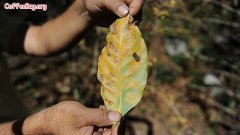
What is the disease of coffee planting that harms coffee leaf rust?
In the past 20 to 25 years, there has been a strong global demand for raw coffee beans. In order to increase production, many coffee farmers in Central America have abandoned the traditional shade planting technique and used sun exposure to grow coffee. Due to the loss of the protective effect of the crown and the reduction of biodiversity, the control of diseases and insect pests can only be more dependent on the use of pesticides and fungicides, which not only destroys the original complex health.
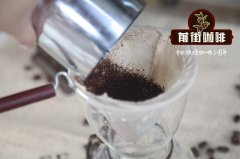
Guatemala Antigua Coffee beans / Powder Azotea Manor SHB Chocolate Sweet Coffee beans recommended
For more information on coffee beans, please pay attention to the Coffee Workshop (official Wechat account cafe_style). Antigua Coffee, Guatemala is located in the middle of North and South America. Antigua Island (Antigua) is a famous producer of coffee. Rich volcanic soil, low humidity, strong sunlight and cool night winds are the Antigua region.

With the continuous change of domestic catering environment, how to break through the tight encirclement of ordinary coffee beans
For a cup of strong espresso, high-quality beans are essential. Caffe Pascucci is very strict with coffee beans, checking everything from the selection of coffee beans to baking. In terms of selection, Caffe Pascucci coffee beans mainly come from Haiti, which has a good climate. Moreover, local people do not use fungicides, insecticides and chemical fertilizers in the planting process, so that

CAFFE PASCUCCI achieves "the most ethical coffee brand in Europe"
As one of the most material-poor countries in the world, Haiti is a world-renowned producer of coffee beans. Most of the coffee produced in Haiti is grown in a purely natural state, which is not intentional but the result of material shortages. The reason is that coffee farmers are too poor to buy fungicides, insecticides and fertilizers. On the contrary, this makes coffee produced in Haiti the most natural.
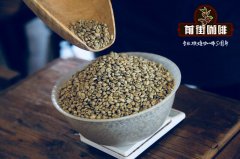
The drop in the price of coffee beans and a bumper harvest of coffee beans is not a good thing.
Professional coffee knowledge exchange more coffee bean information Please pay attention to the drop in coffee bean prices in coffee workshops (Wechat official account cafe_style). The reason is related to the bumper harvests of several major coffee bean producers in the world, such as Brazil and Vietnam, leading to overproduction of coffee beans on the market and prices falling all the way. In addition, Brazil's currency, the real, is depreciating. At present, the real exchange rate is in
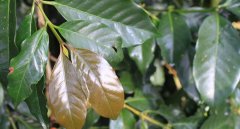
Why is organic coffee expensive? Will organic coffee be a safer coffee?
When it comes to organic coffee, as we often mention, organic tea actually means the same thing, what is the organic definition related to coffee. Then let's go on to learn a little bit more about it. Organic certification of crops, in this case, coffee has four basic components: 1. Do not use synthetic pesticides, herbicides or fungicides.

Fazenda Camocim Manor in Brazil [Yellow bourbon Variety] Coffee flavor characteristics? Brazil Camoc
Professional coffee knowledge exchange more coffee bean information please follow the coffee workshop (Wechat official account cafe_style) Brazil Fazenda Camocim manor [yellow bourbon variety] coffee flavor characteristics? How do you make Brazilian Camocim coffee? Henrique Sloper produces coffee in Fazenda Camocim in a very interesting way. In 1999, Henrique planted in Camocim.
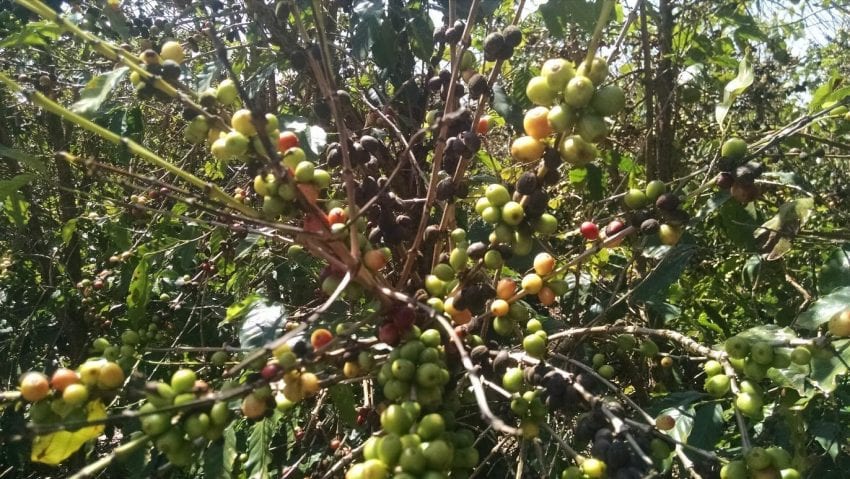
How to monitor and prevent coffee leaf rust? what is coffee leaf rust? What are the hazards of leaf rust
Professional coffee knowledge exchange more information about coffee beans Please follow the coffee workshop (Wechat official account cafe_style) anyone engaged in coffee production may be familiar with the harm of coffee leaf rust. In recent years, devastating outbreaks of this fungus have often made headlines. According to the World Coffee Research report, an outbreak of leaf rust swept through Central America during the 2011 harvest season in Greater 2012.

Grind degree and roasting degree of fine coffee beans in Incht Manor, Guatemala.
Manor introduction: El Injerto Manor, located in the tiny South Fruit Plateau of Guatemala, is one of the most famous coffee farms in the world. Incht Manor has become a world legend for the quality of its coffee, winning a total of 14 awards in the decade of participating in the Cup Of Excellence competition, far more than any other estate in the world. Product name: red Kaduai producing area of Incht Manor

[video as proof] Starbucks has another scandal! Spray disinfectant directly into the ice drink takeout cup!
Exchange of professional baristas Please follow the Coffee Workshop (Wechat official account cafe_style). Not long ago, there were scandals in the UK's three major coffee shop chains Costa, Starbucks and Nero, and bacteria were found in iced coffee. Finally, in the end of Portal News, Costa clarified after the release of the survey results that its own company is quite serious about food hygiene. Recently, the ice has been increased to the staff.
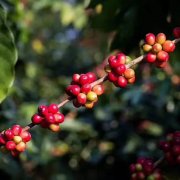
Guatemala El Tambor Drum Manor Flavor describes the biotherapy of leaf rust
Professional barista communication please follow the coffee workshop (Wechat official account cafe_style) basic information farm: El Tambor manor variety: yellow bourbon treatment: washing treatment altitude: 1676-1860 m owner: Victor Calderon town / city: El Durazno area: Palencia flavor description: full-bodied, dark cherry, dark chocolate, cola

Global Coffee Origin-Haiti
Haiti tries to produce some quality coffee despite its well-known problems and fluctuating coffee quality.
Coffee producing area in Haiti
Despite well-known problems and fluctuating coffee quality from politically troubled lands, Haiti is still trying to produce some high-quality coffee.
Coffee from Haiti
Despite well-known problems and fluctuating coffee quality, Haiti (Haiti) is still trying to produce some high-quality coffee. Coffee producing area in Haiti: the main coffee growing area in Haiti is in the north of the country. Most of the coffee produced in Haiti is grown in a purely natural state, which is not intentional but the result of material shortage.
Coffee producing area-Haiti
Despite well-known problems and fluctuating coffee quality from politically troubled lands, Haiti is still trying to produce some high-quality coffee. Most of the coffee produced in Haiti is grown in a purely natural state, which is not intentional but the result of material shortage, because farmers are too poor to buy sterilization.

Understanding coffee leaf rust
The most destructive disease of coffee trees is Hemileia vastatrix. The disease has long occurred in coffee-producing regions such as Africa, the Near East and India, Asia and Australasia, and first appeared in the Western Hemisphere in 1970. The once-thriving coffee plantations of Sri Lanka and Java were destroyed there
Coffee producing areas in Haiti
Despite well-known problems and fluctuating coffee quality, Haiti (Haiti) is still trying to produce some high-quality coffee.
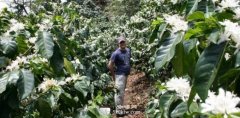
Knowledge of fine coffee to understand coffee leaf rust
The most destructive coffee tree disease is caused by coffee camel rust (Hemileia vastatrix). The disease has long occurred in coffee-producing areas such as Africa, the near East and India, Asia and Australasia. It first appeared in the Western Hemisphere in 1970 and was found in Brazil. The once thriving coffee plantations in Sri Lanka and Java were destroyed by the
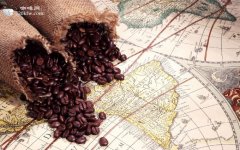
Haitian coffee beans from the world's boutique coffee production area
Despite well-known problems and fluctuating coffee quality from politically troubled lands, Haiti is still trying to produce some high-quality coffee. Most of the coffee produced in Haiti is grown in pure natural form, which is not intentional but the result of material shortage, because farmers are too poor to buy sterilization.