
"incomplete"
1044 article(s) found

Introduction of several defective beans of Coffee beans
Moldy beans: because of incomplete drying, or damp in the process of transportation and storage, cyan and white molds grow, which sometimes make the beans stick together. If these moldy beans are not removed, they will produce moldy smell. Dead beans: beans with abnormal results. The color is not easy to change because of baking, so it is easy to distinguish. The flavor is thin, as harmful as silver skin, and will become a peculiar smell.
Distinguish coffee defective beans
Moldy beans: because of incomplete drying, or damp in the process of transportation and storage, cyan and white molds grow, which sometimes make the beans stick together. If these moldy beans are not removed, they will produce moldy smell. Dead beans: beans with abnormal results. The color is not easy to change because of baking, so it is easy to distinguish. The flavor is thin, as harmful as silver skin, and will become a peculiar smell.
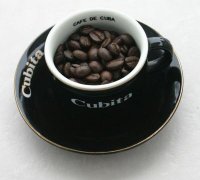
Selection skills of coffee beans the difference between high-quality coffee beans and poor-quality coffee beans
High-quality coffee beans: neat shape, bright color, in the bag opened the moment, you can smell a strong aroma of coffee. 1, whether it is enough to smell the aroma close to the nose; 2, grab a handful of coffee beans and feel whether they are solid beans with the palm of your hand; 3, take a bean into your mouth and bite it twice, there is a clear sound that the beans are well preserved and not d 4, peel off the coffee beans
Quality and grading of Coffee in Yunnan
Yunnan coffee specific quality: raw coffee bean appearance requirements: the color should be light blue or light green, with luster, fresh smell, no sour and odor and other peculiar smell, round or oval.

How to distinguish between good and bad coffee beans Coffee beans are roasted in several different degrees
The roasting of coffee beans is a very technical work. The raw beans are cooked by heat and removed from moisture to make them explode. After this procedure, coffee can produce unique aroma and flavor. Generally speaking, short cooking time, coffee beans will be light brown color, sour strong, if the color of the roast is darker, bitter increased, the color is also dark brown. Therefore, the roasting of coffee beans is divided into several different processes
Introduce several kinds of coffee defective beans
Moldy beans: because of incomplete drying, or damp in the process of transportation and storage, cyan and white molds grow, which sometimes make the beans stick together. If these moldy beans are not removed, they will produce moldy smell. Dead beans: beans with abnormal results. The color is not easy to change because of baking, so it is easy to distinguish. The flavor is thin, as harmful as silver skin, and will become different.

Sun-washed and semi-washed coffee taste difference flavor different points introduction
Sun-dried and semi-washed coffee taste difference flavor is introduced by taking the red fruit directly dried and then forced peeling. This method of beans is often defective and not very beautiful. Sun-dried beans are common foreign bodies or stones. The appearance of beans is more incomplete. The beans treated by this method have a complex flavor, a taste of the sun, a fruity flavor, and a consistency better than that of water washing.

Introduction of coffee defective bean varieties to understand the culprit that affects the quality of a cup of coffee
Coffee beans have many flaws, and there are a variety of flaws. There are many reasons for defects. Defects may affect our taste experience of coffee at different levels, and may also affect our health. However, many defects that can be clearly seen in raw beans can be quickly invisible once baked. Therefore, most of the coffee cooked beans we usually see are uniform in appearance and consistent in appearance.

Recommended | carve a small yellow bottle of time and enjoy the exciting aroma of coffee at any time
Communication of professional baristas Please pay attention to the coffee workshop (Wechat official account cafe_style) A summer without ice droplets is an incomplete summer! So~, all the friends who love ice drops are blessed! Hot summer carving time to accompany you to every place in summer can not be without ice droplets! But the delicacy, which takes 8-12 hours to extract, is not available everywhere! However, Aika

The main varieties and characteristics of basic Coffee
Blue Mountain Coffee: produced in Jamaica, slightly sour, supple, with sweet, delicate flavor, light taste. Columbia: produced in South America, slightly sour glycol, supple aroma alcohol, slightly to medium acid. Brazilian coffee: produced in South America, neutral, medium bitter, strong aroma, slightly sour, slightly bitter, introverted. Manning: from Indonesia and Sumatra. Bitter and mellow, fragrant and bitter. Mocha: produced in clothing
Introduction of several kinds of defective beans in basic knowledge of Coffee
Moldy beans: because of incomplete drying, or damp in the process of transportation and storage, cyan and white molds grow, which sometimes make the beans stick together. If these moldy beans are not removed, they will produce moldy smell. Dead beans: beans with abnormal results. The color is not easy to change because of baking, so it is easy to distinguish. The flavor is thin, as harmful as silver skin, and will become a peculiar smell.
The main varieties and characteristics of basic Common sense Coffee
Blue Mountain Coffee: produced in Jamaica, slightly sour, supple, with sweet, delicate flavor, light taste. Columbia: produced in South America, slightly sour glycol, supple aroma alcohol, slightly to medium acid. Brazilian coffee: produced in South America, neutral, medium bitter, strong aroma, slightly sour, slightly bitter, introverted. Manning: from Indonesia and Sumatra. Bitter and mellow, fragrant and bitter. Mocha: produced in clothing

The main varieties and characteristics of coffee Blue Mountain Coffee
Blue Mountain Coffee: produced in Jamaica, slightly sour, supple, with sweet, delicate flavor, light taste. Columbia: produced in South America, slightly sour glycol, supple aroma alcohol, slightly to medium acid. Brazilian coffee: produced in South America, neutral, medium bitter, strong aroma, slightly sour, slightly bitter, introverted. Manning: from Indonesia and Sumatra. Bitter and mellow, fragrant and bitter. Mocha: produced in clothing

Introduction of defective beans in coffee roasting
Moldy beans: because of incomplete drying, or damp in the process of transportation and storage, cyan and white molds grow, which sometimes make the beans stick together. If these moldy beans are not removed, they will produce moldy smell. Dead beans: beans with abnormal results. The color is not easy to change because of baking, so it is easy to distinguish. The flavor is thin, as harmful as silver skin, and will become a peculiar smell.

The price of Starbucks coffee has risen quietly. Other brands have not followed suit yet.
Starbucks first entered the Fuzhou market around 2011 and now has more than a dozen stores in Fuzhou. Ye Zefan, president of the Fujian Coffee Industry Association, said that it was the arrival of foreign brands that led to the coffee culture in Fuzhou, which has seen a sharp increase in the number of cafes in Fuzhou in the past five or six years. According to the incomplete statistics of the association, the number of cafes in the five urban districts of Fuzhou increased from less than 100 at the end of 2010 to nearly 400 at the end of 2013.
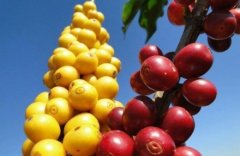
The main varieties of coffee and specialty coffee bean types Introduction
Blue Mountain Coffee: Produced in Jamaica, sweet, slightly sour, supple, sweet, delicate flavor, light taste. Colombia: produced in South America, slightly sour, mellow, supple and mellow, slightly sour to medium acid. Brazilian coffee: produced in South America, neutral, medium bitter, strong, slightly sour, slightly bitter, restrained. Mantenin: produced in Indonesia, Sumatra. Melol fragrance, fragrant and bitter. Mocha: Made in clothing

The defects of high-quality coffee beans introduce the basic knowledge of coffee
Moldy beans: because of incomplete drying, or damp in the process of transportation and storage, cyan and white molds grow, which sometimes make the beans stick together. If these moldy beans are not removed, they will produce moldy smell. Dead beans: beans with abnormal results. The color is not easy to change because of baking, so it is easy to distinguish. The flavor is thin, as harmful as silver skin, and will become a peculiar smell.

A brief introduction to the taste varieties of Colombian coffee beans by means of flavor description
Although there are many legends about the origin of Colombia, it is generally believed that coffee saplings were brought by a missionary from the French Antilles via Venezuela. Coffee trees were first planted in the Orinoco region in the early 19th century. Today, Colombia produces 13 million bags of coffee a year, each weighing 60 kilograms. Colombia is
Basic knowledge of boutique coffee introduces several kinds of coffee defective beans
Moldy beans: because of incomplete drying, or damp in the process of transportation and storage, cyan and white molds grow, which sometimes make the beans stick together. If these moldy beans are not removed, they will produce moldy smell. Dead beans: beans with abnormal results. The color is not easy to change because of baking, so it is easy to distinguish. The flavor is thin, as harmful as silver skin, and will become a peculiar smell.

Introduction of differences in taste and flavor between sun-washed and semi-washed coffee
The difference between the taste of sun-washed coffee and semi-washed coffee is that the red fruit is dried directly and then forced to peel and peel. In this way, beans are often defective and not very beautiful. The appearance of the common foreign body or stone bean appearance of the sun-dried beans is more incomplete, and the flavor of the beans treated by this method is more complex, with the flavor of the sun, the fruit flavor is very strong, and the consistency is better than that of washing, but the bean phase.