
"introductions"
44507 article(s) found

Introduction of Colombia Colombis Dumbo Manor introduction to the flavor of Colombian washed coffee
More information on coffee beans Please follow Coffee Workshop (Wechat official account cafe_style) Local coffee farmers grow coffee along the highlands of these mountains, which have the conditions for a variety of climates; and because of changes in topography and altitude, a large part of Colombia's coffee industry is produced by small farmers. But unlike the coffee-producing countries in Central America, they tend to grow.

Introduction of Sidra Coffee Coffee introduction to La Gallera Estate coffee coffee in Colombia
Professional coffee knowledge exchange more coffee bean information please follow the coffee workshop (Wechat official account cafe_style) a washed coffee produced by La Gallera Estate, a grafting variety of Typica and Bourbon. As a new kind of Sidra, it was very popular with the electors at last year's Brewers Cup. The Sidra box seems to only work together to Paper.

Yega Xuefei Yadi (Ardi) Cooperative introduction Yega Xuefei Coffee introduction
For more information on coffee beans, please follow the Coffee Workshop (official Wechat account cafe_style). Under the Ardi Cooperative, there are 700 members of small coffee farmers, named Ardi after the discovery of 4.4 million-year-old fossilized female remains in 1992. Ardi. The processing process of Ardi is quite meticulous, ripe cherry man.

Introduction to the growing environment of Ethiopian coffee introduction to Yega Snow Coffee Manor
Ethiopian coffee beans grow in close to the natural environment, after years of planting under the same growth conditions, Ethiopian coffee beans have gradually adapted to the environment here. More than 60% of coffee beans are grown in forests or semi-forests. Large-scale coffee-growing villages account for about 35% of the country's total coffee production. Many of these are used.
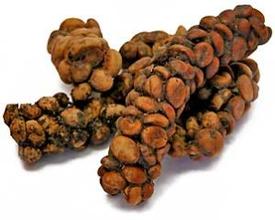
Civet Coffee introduction to the latest Coffee introduction to Kopi Luwak
Kopi Luwak is produced by the feces of Indonesian coconut cats (a kind of civet) as raw materials, so it is called Kopi Luwak. This kind of animal mainly feeds on coffee beans. After completing fermentation in the coconut cat's stomach, it destroys proteins, produces short peptides and more free amino acids, reduces the bitterness of coffee, and then excretes feces as the main raw material. Because coffee beans cannot be digested, they will be

Introduction of Ruvuma producing area of Rovuma in Tanzania introduction to the flavor characteristics of Tanzanian coffee
Professional coffee knowledge exchange more coffee bean information Please follow the coffee workshop (Wechat official account cafe_style) Coffee is the largest crop in Tanzania about 450000 people are engaged in coffee-related agriculture. Due to its proximity to Kenya, the flavor of coffee in Tanzania is similar to that of Kenyan coffee, but because of inconvenient transportation and backward basic coffee equipment, coffee
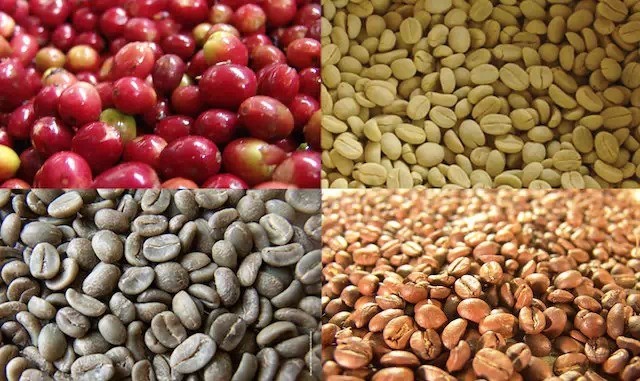
Introduction to Coffee: a detailed introduction to the producing areas and classification of coffee beans
There are mainly two kinds of coffee on the market, such as Coffea Arabica and Coffea Robusta. Each of them can be subdivided into more variety branches. Most of the coffee beans in circulation on the market are distinguished by their origin. The following is a list of some of the major producing countries and their famous coffee: Brazilian coffee fruit (Arabica) Brazil: Santos, Brazil

Boutique coffee beans Colombian coffee introduction and introduction of the latest coffee
Colombian coffee (Cafe de Colombia), which originated in Colombia, is one of the few individual coffees sold in the world under the name of the country. In terms of quality, it has won praise unmatched by other coffee. Compared with other producing countries, Colombia is more concerned with developing products and promoting production. It is this, coupled with its superior geographical and climatic conditions, that makes Goran
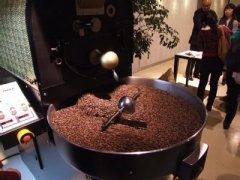
Introduction to Fine Coffee-A brief introduction to the Market Price of Crystal Coffee varieties in Taiwan
In the 19th century, after the Sino-Japanese holiday, the Japanese occupied Taiwan and tried their best to promote coffee with high economic value. in 1941, Taiwan's coffee output was rich and its taste was good, which created the full period of coffee in Taiwan. however, soon after the launch of the Pacific Coffee in Japan, the sale of coffee became a problem, and there was no one to take care of it. Japan failed to withdraw, and the coffee fell after the lack of money.

Introduction of Brazilian Bourbon Natural Hybrid Acaia Coffee beans introduction of coffee beans unique to Brazil
Acai Variety: Acaia Association: Mundo Novo Origin: Brazil grows above 800m Best Type: Sumatra (typical) / bourbon hybrids are common: Brazilian main color: red fruit size: large leaf characteristics: large, intermediate botany between Typica and bourbon: natural hybridization special hint: a very rare variety. I used to be excellent in Brazil.

Nicaragua Pleasure Estate Introduction, Nicaragua Pleasure Estate Coffee Bean Introduction
Pay close attention to coffee comment (Weixin Official Accounts vdailycom ) and find a beautiful cafe to open its own small shop. Introduction to Mierisch Family's Pleasure Manor, belonging to Matagalpa production area, 1000 meters above sea level, annual average temperature 27 degrees, *** 20 degrees lower, covering an area of about 241 hectares. In addition to Caturra, Java, Pacamara,Catuai and other varieties are planted in the estate.

Introduction of the World Fine Coffee Manor: a detailed introduction of the Conastale Farm in Blue Mountain
The Resurrector of Coffee No. 1 in the Blue Mountains of Jamaica, Conastale Conastale Farm, existed from 1801 to 1842. From 1801 to 1825, the first generation farmer was Colin McClarty, and the second generation owner was his son Alexander McClarty. From 1825 to 1842, the management right of the farm was handed over to the third generation farmer Alexander Campbell. 1842

Costa Rica Sonora Coffee Estate Introduction Sonora Honey Treated Coffee Flavor Introduction
Altitude: 1200-1300 m Planting Name: Sonora Region: Central Valley Processing Method: Honey Processing Flavor Profile: Blackberry, grape, sweet chocolate, caramel, cinnamon Sonora Plantation is located in the Central Valley. Costa Rica has 55 hectares of coffee plantations and 35 hectares of natural forests. Natural environment diversity, fertile soil, high quality coffee production is necessary
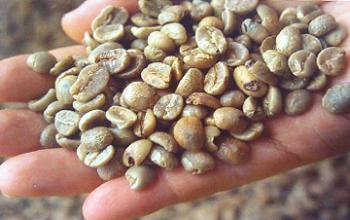
Detailed introduction of coffee beans: introduction of the classification characteristics and shapes of several kinds of defective beans
Coffee training several kinds of defective beans introduce moldy beans: because of incomplete drying, or damp during transportation and storage, cyan and white molds grow, which sometimes make the beans stick together. If these moldy beans are not removed, they will produce a moldy smell. Dead beans: beans with abnormal results. The color is not easy to change because of baking, so it is easy to distinguish. The flavor is thin, with silver skin

Brief introduction to the advantages of washing coffee beans with water introduction to the taste of El Salvador coffee beans
Professional coffee knowledge exchange more coffee bean information please follow the coffee workshop (Wechat official account cafe_style) front street Salvadoran olive manor coffee brief introduction coffee cherries picked from the trees are not the same degree of maturity, workers pour coffee fruit into a large pool, immature coffee fruit will float on the water because of low density, while mature coffee fruit sinks to the bottom

Introduction to coffee-- Hawaii Kona Coffee introduction to Hawaii Kona Coffee
The world-famous Hawaiian Kona is a mellow and sour coffee bean, and its unique growth and climate make Hawaii Kona perfect: the smell of Hawaiian beaches, monsoon and volcanoes. Kona coffee beans produced in Hawaii are the most beautiful coffee beans in the world. They are extremely full and shiny. Kona coffee beans are evenly shaped and have a strong sour and sweet taste.

Brief introduction of Panamanian Flower Butterfly introduction of flavor characteristics of Panamanian coffee beans
Professional coffee knowledge exchange more coffee bean information please follow the coffee workshop (Wechat official account cafe_style) front street coffee-Panamanian coffee characteristics, Flower Butterfly Coffee introduction Panama is a Central American country, bordered by Costa Rica to the west and Colombia to the east. Anyone who knows anything about individual coffee should know that Panamanian coffee is a geisha Geisha (rose) of the Jade Manor.

Introduction what is Iron pickup Coffee introduction to Hawaii Kona Coffee
Professional coffee knowledge exchange more coffee bean information please pay attention to the coffee workshop (Wechat official account cafe_style) Qianjie three major coffee varieties, Hawaii Kona Coffee introduces the two ancient varieties of iron pickup and bourbon, in the new world different soil and water, thrived for 300 years, creating thousands of varieties and hybrids. Intraspecific hybrid: two Arabica varieties, after hybrid

Yemeni coffee introduction mocha coffee boutique coffee beans introduction mocha coffee with unique flavor
Mocha coffee (also known as mocha or mocha, also translated as Arabian quality coffee, English Caf Mocha, meaning chocolate coffee) is a variant of Italian latte (Caf Latt). Like the classic Italian latte, it is usually made of 1/3 espresso (Caff Espresso) and 2/3 foam, but it also adds less.

Coffee species introduction Coffee Tree introduction Coffee planting method
Arabica was the only kind of coffee beans, then in the 19th century, there was a large area of diseases and insect pests, coffee growers began to look for other varieties of coffee resistant to diseases and insect pests, so Rob's special was discovered and began to be planted artificially. Robert's special growth in low-altitude areas, characterized by resistance to diseases and insect pests, cold, drought resistance, a word description, thick, but the taste is relatively comparative