
"literati"
407 article(s) found
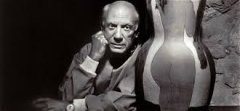
The literati who linger in the coffee shop Picasso and the four Cat Cafe
Cafes are the cradle of the history of literature and art. The value of cafes lies in their interaction with people. Cafes have always been a gathering place for painters, writers, journalists and musicians. Looking back on the rise of the ideological trend of literature and art in Europe, it was the time for cafes to ferment. More than a hundred years ago, unknown writers, playwrights, painters, social reformers and art lovers gathered in coffee.
The eight favorite cafes of literati taste the aroma of bookish coffee.
In Europe, coffee culture can be said to be a very mature form of culture. from the entry of coffee into this continent to the emergence of the first coffee shop in Europe, coffee culture is developing at an extremely rapid speed, showing extremely exuberant vitality. In Vienna, Austria, coffee, music and waltz dance are also called the three treasures of Vienna, which shows the far-reaching significance of coffee culture. Care a lot.

The sentimental poet memorizes coffee cups
Literati and coffee have been inextricably linked since the 17th century. Coffee inspires us, but also reminds the sentimental heart of literati artists. How many great works are born from the strong coffee fragrance? Even JK Rowling wrote the world-famous novel Harry Potter in a coffee shop in London. A good cup of coffee satisfies our fussy appetites; a good book.

Sentimental poets write down coffee cups, literary coffee cups.
The literati and coffee have been inextricably linked since the 17th century. Coffee inspires us and reminds us of the sentimental hearts of literati and artists. Many great works are born from the mellow aroma of coffee. Even JK Rowling wrote the world-famous novel Harry Potter in a coffee shop in London. A good cup of coffee satisfies our picky appetite.
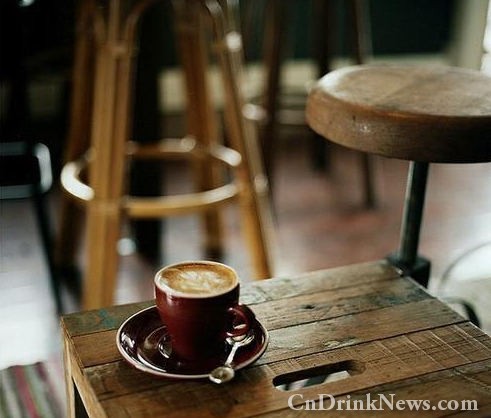
Savor bookish Coffee: eight favorite Cafe of Literati
A steaming cup of coffee can sometimes not only warm people's hearts, but also inspire people. It is said that the brilliant ideas of many Nobel laureates benefit from that strong cup of coffee. So where are the cafes that scholars and writers like to patronize most? 1. Fesavi Cafe (El Fishawy Coffee Shop) location: Savi Cafe in Cairo, Egypt is located in a labyrinth of ancient bazaars
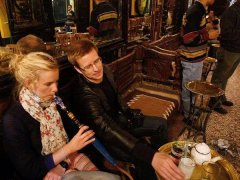
The eight favorite cafes of literati taste the aroma of bookish coffee.
It is said that the brilliant ideas of many Nobel laureates benefit from that strong cup of coffee. So where are the cafes that scholars and calligraphers like to patronize? Now follow National Geographic to uncover the secret. Fesavi Cafe (El Fishawy Coffee Shop)

Savor life by tasting coffee
Many people know that coffee is bitter, especially pure coffee is very bitter. Therefore, many modern literati like to use coffee to describe life and taste life through coffee. Many people know that coffee is bitter, especially pure coffee is very bitter. Therefore, many modern literati like to use coffee to describe life. Think that life is bitterness

Taste life classic American coffee by tasting coffee
Many people know that coffee is bitter, especially pure coffee is very bitter. Therefore, many modern literati like to use coffee to describe life and taste life through coffee. Many people know that coffee is bitter, especially pure coffee is very bitter. Therefore, many modern literati like to use coffee to describe life. Think that life is bitterness

Taste the coffee culture of life by tasting coffee
Many people know that coffee is bitter, especially pure coffee is very bitter. Therefore, many modern literati like to use coffee to describe life and taste life through coffee. Many people know that coffee is bitter, especially pure coffee is very bitter. Therefore, many modern literati like to use coffee to describe life. Think that life is bitterness

The earliest Coffee in China Coffee Origin in China
Coffee from accidental discovery by sheep, to the popularity of the world, generations, stories, all amazing. As early as the late Qing Dynasty in China, coffee was also widely spread by the literati at that time. In the late Qing Dynasty, at the turn of the century, coffee appeared in the coastal city of Shanghai. The first person to come into contact with coffee drinks was the literati in Shanghai at the end of the Qing Dynasty.
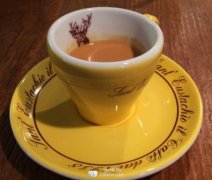
Healthy coffee life savors life by tasting coffee
Many people know that coffee is bitter by tasting coffee, especially pure coffee is very bitter. Therefore, many modern literati like to use coffee to describe life and taste life through coffee. Many people know that coffee is bitter, especially pure coffee is very bitter. Therefore, many modern writers and writers like to compare coffee.
Introduction to the characteristics of Santa Cruz Manor
Ecuador, formerly part of the Inca empire. It was colonized by Spain in 1532. Independence was declared on August 10, 1809, but it was still occupied by the Spanish colonial army. It was completely freed from Spanish colonial rule in 1822. Joined the Republic of Greater Columbia in 1825. After the disintegration of Great Colombia in 1830, the Republic of Ecuador was proclaimed. Since the founding of the people's Republic of China, the political situation of Ecuador has been in turmoil.

Coffee knowledge-improve your taste
From ancient times to the present, there have been countless literati tasting tea and wine. Is it difficult for them to be born with this kind of self-cultivation, or is it just a habit that they gradually developed later. Obviously, the answer is, of course, the latter. Maybe when you see here, you will come forward and refute me, this TM is so obvious, and you have written so much nonsense? Sorry, this editor is not very good at editing, if there is anything

The relationship between Zheng Yongqing and the Cafe
In Japan, cafes also became popular among intellectuals and then among the general public by virtue of the cultural movement. On April 13, 1888, the first coffee shop in Japan opened twice in Tokyo's Ueno Nishimen-cho (another said that the earliest coffee shop in Japan was the washing Pavilion opened in Tokyo's Nippon Bridge in 1886). The owner, Zheng Yongqing, also has a special relationship with China.
Celebrity and Coffee the relationship between Zheng Yongqing and the Cafe
In Japan, cafes also became popular among intellectuals and then among the general public by virtue of the cultural movement. On April 13, 1888, the first coffee shop in Japan opened twice in Tokyo's Ueno Nishimen-cho (another said that the earliest coffee shop in Japan was the washing Pavilion opened in Tokyo's Nippon Bridge in 1886). The owner, Zheng Yongqing, also has a special relationship with China.
The Origin of the Coffee Culture knowledge Zheng Yongqing and the Cafe
In Japan, cafes also became popular among intellectuals and then among the general public by virtue of the cultural movement. On April 13, 1888, the first coffee shop in Japan opened twice in Tokyo's Ueno Nishimen-cho (another said that the earliest coffee shop in Japan was the washing Pavilion opened in Tokyo's Nippon Bridge in 1886). The owner, Zheng Yongqing, also has a special relationship with China.

The Origin of the Coffee Culture knowledge Zheng Yongqing and the Cafe
In Japan, cafes also became popular among intellectuals and then among the general public by virtue of the cultural movement. On April 13, 1888, the first coffee shop in Japan opened twice in Tokyo's Ueno Nishimen-cho (another said that the earliest coffee shop in Japan was the washing Pavilion opened in Tokyo's Nippon Bridge in 1886). The owner, Zheng Yongqing, also has a special relationship with China.

Zheng Yongqing's relationship with the Cafe the Culture of the Cafe
In Japan, cafes also became popular among intellectuals and then among the general public by virtue of the cultural movement. On April 13, 1888, the first coffee shop in Japan opened twice in Tokyo's Ueno Nishimen-cho (another said that the earliest coffee shop in Japan was the washing Pavilion opened in Tokyo's Nippon Bridge in 1886). The owner, Zheng Yongqing, also has a special relationship with China.
Boutique Coffee Culture Coffee is a pure product of European culture
Venice in 1645 gave birth to the first open street cafe in Europe. Paris and Vienna also followed, with relaxed and romantic French sentiment and Viennese literati temperament in their own style, which became the forerunner of the two major trends of European cafes in the future.

The basic knowledge of Coffee Culture is the Product of Pure European Culture
Venice in 1645 gave birth to the first open street cafe in Europe. Paris and Vienna also followed, with relaxed and romantic French sentiment and Viennese literati temperament in their own style, which became the forerunner of the two major trends of European cafes in the future.