
"pasture"
1032 article(s) found

A brief introduction to the flavor and taste characteristics of Columbia Linglong washed or sun-cured coffee beans
Columbia Coffee is famous for its fine quality, soft taste and high taste. It all depends on the fact that the right climate in Colombia provides a real natural pasture for coffee. And the coffee varieties planted are mainly high-quality Arabica varieties. Colombian.

Description of taste and flavor of coffee beans produced in Colombian Hope Manor by variety treatment
Colombia hopes to describe the taste and flavor of the vineyard coffee beans produced by the variety treatment method. Colombia's suitable climate provides a real natural pasture for coffee. Coffee trees in Colombia are mainly cultivated in the Andes, on steep slopes about 1300 meters above sea level, where the annual temperature is about 18 degrees Celsius, annual rainfall is 2000 to 3000 millimeters, and latitude 1-1.

Colombian Coffee-A Special Flavor created by Historical Environment
Columbia Coffee Historical Environment created Special Flavor Coffee knowledge Exchange more coffee bean information please follow the coffee workshop (Wechat official account cafe_style) Colombian coffee basic introduction Colombian coffee-origin in Colombia, roasted coffee beans will release a sweet flavor, with sweet in the acid, bitter taste in the good quality, because the concentration is suitable
Colombian Costa Rican coffee barista gift China Coffee net Coffee
The history of Colombian coffee dates back to 1808. A priest brought coffee to Colombia for the first time from the French Antilles via Venezuela. The suitable climate in Colombia provides a real natural pasture for coffee. Since then, coffee trees have taken root in this country. The country has also become the second largest coffee producer after Brazil and the world's largest Arabica coffee.

Boutique Coffee of Diamond Manor in Huilan Plateau, Huilan, Lombia
The history of Colombian coffee dates back to 1808. A priest brought coffee to Colombia for the first time from the French Antilles via Venezuela. The suitable climate in Colombia provides a real natural pasture for coffee. Since then, coffee trees have taken root in this country. The country has also become the second largest coffee producer after Brazil and the largest Elaraby in the world.
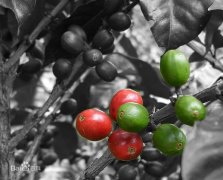
Yellow bourbon species of Vera plateau in Huilan, Colombia
The history of Colombian coffee dates back to 1808. A priest brought coffee to Colombia for the first time from the French Antilles via Venezuela. The suitable climate in Colombia provides a real natural pasture for coffee. Since then, coffee trees have taken root in this country. The country has also become the second largest coffee producer after Brazil and the world's largest Arabica coffee.

Single Coffee quality Coffee of Yellow bourbon in Vera Plateau in Huilan, Colombia
The history of Colombian coffee dates back to 1808. A priest brought coffee to Colombia for the first time from the French Antilles via Venezuela. The suitable climate in Colombia provides a real natural pasture for coffee. Since then, coffee trees have taken root in this country. The country has also become the second largest coffee producer after Brazil and the world's largest Arabica coffee.
Fine black coffee Vera plateau in Huilan, Colombia
The history of Colombian coffee dates back to 1808. A priest brought coffee to Colombia for the first time from the French Antilles via Venezuela. The suitable climate in Colombia provides a real natural pasture for coffee. Since then, coffee trees have taken root in this country. The country has also become the second largest coffee producer after Brazil and the world's largest Arabica coffee.

Diamond Manor in Huilan area of Colombia specially treats MAM area
The history of Colombian coffee dates back to 1808. A priest brought coffee to Colombia for the first time from the French Antilles via Venezuela. The suitable climate in Colombia provides a real natural pasture for coffee. Since then, coffee trees have taken root in this country. The country has also become the second largest coffee producer after Brazil and the largest Elaraby in the world.

Classification characteristics of Colombian Coffee Flavor description Grinding scale
Colombian Coffee grading characteristics treatment Flavor description Grinding scale suitable climate in Colombia provides a real natural pasture for coffee. Coffee trees in Colombia are mainly cultivated in the Andes, on steep slopes about 1300 meters above sea level, where the annual temperature is about 18 degrees Celsius, annual rainfall is 2000 to 3000 mm, latitude 1-11-15, west.

Amber Coffee with fine grains and mellow taste
Amber coffee beans mainly come from the Caribbean, whether it is the Crystal Mountains in Cuba or the natural pastures in Colombia. The growth of coffee trees provides a favorable natural environment. With fertile land, humid climate and abundant Rain Water, the Caribbean can be called a natural treasure land for coffee cultivation. The coffee forest has high humidity, small temperature difference and slow ripening of coffee beans, which is beneficial to caffeine and aromatic substances.

Colombian coffee taste hand-brewing method step apparatus
Colombian coffee taste hand-brewed method instrument Colombia's suitable climate provides a real sense of natural pasture for coffee. Coffee trees in Colombia are mainly cultivated in the Andes, on steep slopes about 1300 meters above sea level, where the annual temperature is about 18 degrees Celsius, annual rainfall is 2000 to 3000 mm, latitude 1-11 15 north, longitude 72-78 west
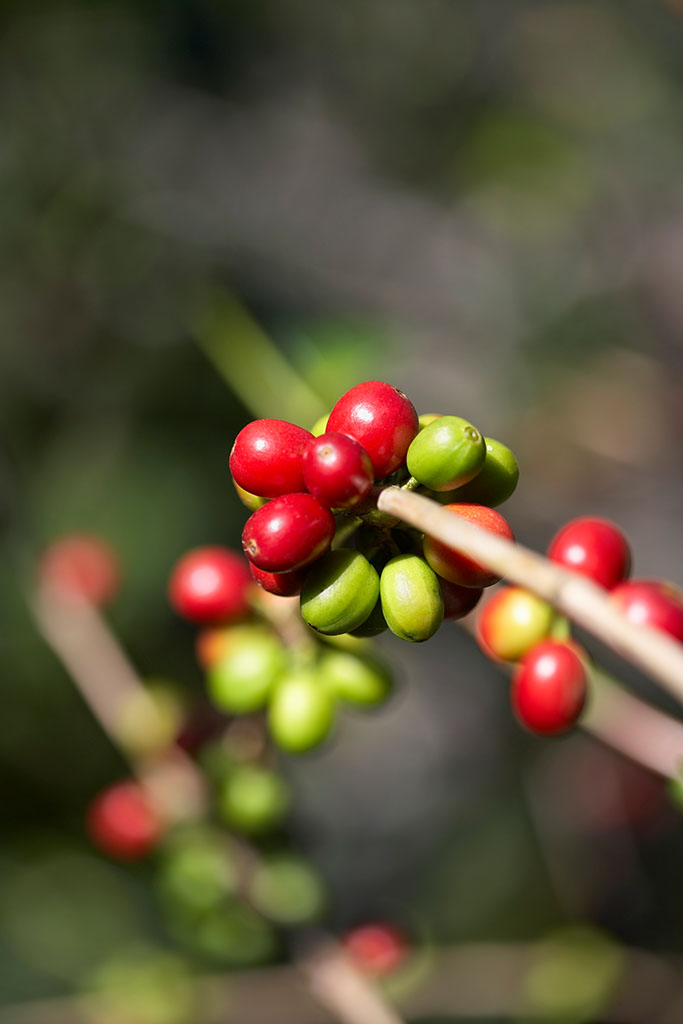
New Bean in Huilan, Colombia, Yellow bourbon grows high-quality coffee raw beans on the Vera Plateau.
The history of Colombian coffee dates back to 1808. A priest brought coffee to Colombia for the first time from the French Antilles via Venezuela. The suitable climate in Colombia provides a real natural pasture for coffee. Since then, coffee trees have taken root in this country. The country has also become the second largest coffee producer after Brazil and the world's largest Arabica coffee.

Coffee beans recommend "fine granules, mellow taste" of amber coffee.
Amber coffee beans mainly come from the Caribbean, whether it is the Crystal Mountains in Cuba or the natural pastures in Colombia. The growth of coffee trees provides a favorable natural environment. With fertile land, humid climate and abundant Rain Water, the Caribbean can be called a natural treasure land for coffee cultivation. The coffee forest has high humidity, small temperature difference and slow ripening of coffee beans, which is beneficial to caffeine and aromatic substances.
Costa Rica Finca Chispita Manor Coffee Flavor Description Costa Rica Coffee Bean
Professional coffee knowledge exchange More coffee bean information Please pay attention to coffee workshop (Weixin Official Accounts cafe_style) Finca Chispita According to the tradition of ancestors, we are committed to the production of coffee. Fifty years ago, these lands were pastures for livestock, but my grandfather decided to switch to coffee and introduced Villa Sarchi to farming.

Flavor of Jamaican Coffee Manor introduction to the characteristics of Jamaican coffee beans in Atlanta manor
Clifton Hill Village, filmed by Marianne in 1872, began to grow and produce coffee at Clifton Farm as early as the mid-18th century (around 1750). According to a survey conducted by the Jamaica Institute in 1810, Robert Hamilton was the owner of the farm at that time. This map shows that Clifton Mountain is divided into two parts, with 80 acres of coffee and 427 acres of grazing at the top.

Columbia Xuefeng Coffee Bean characteristics altitude flavor description taste treatment method
Characteristics of Colombian Xuefeng Coffee beans description of altitude and Flavor the suitable climate in Colombia provides a real natural pasture for coffee. Coffee trees in Colombia are mainly cultivated in the Andes, on steep slopes about 1300 meters above sea level, where the annual temperature is about 18 degrees Celsius, annual rainfall is 2000 to 3000 millimeters, and latitude 1-11-15.

Characteristics of Colombia Coffee Beans Flavor Description Processing
Colombia coffee beans characteristics flavor description processing mature Colombia coffee beans in the coffee world also has jade in the jade world as a gift of flawless and elegant reputation, particle weight, rich nutrition, rich aroma, taste soft, smooth, well-balanced degree; brewed color is also like emerald jade as clear and transparent; wait until the mouth inside, drink up
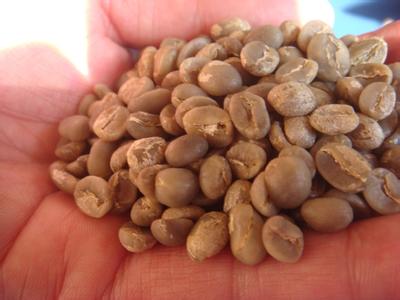
Introduction to the planting Environmental treatment of Coffee beans in Santa Rita Manor, Colombia
The Environmental treatment of Coffee beans at Santa Rita Manor in Colombia the suitable climate in Colombia provides a real natural pasture for coffee. Coffee trees in Colombia are mainly cultivated in the Andes, on steep slopes about 1300 meters above sea level, where the annual temperature is about 18 degrees Celsius, annual rainfall is 2000 to 3000 millimeters, and latitude 1-11-15.