
"ripe"
18407 article(s) found

Fruit Ripe and Aromatic Uganda Coffee Bean Grind Scale Variety Production Area Treatment Manor Introduction
Coffee cultivation in Uganda is entirely family-based and small-scale. The livelihoods of 25 per cent of the population are linked to coffee production. There are about 500000 farms growing coffee, but mainly producing roberts. Robster accounts for 90% of coffee production, with the rest becoming Arabica coffee. Arabica and Hobbs are harvested from October to February. Uganda coffee

What are the characteristics of wine-flavored coffee beans with clean and varied flavor
Wine solarization is neither the use of fruit treatment to expose grapes with boutique coffee beans, nor oak barrel fermentation to enhance the sense of fermentation through honey treatment, let alone traditional sun treatment. In the initial selection of beans, the ripe fruits are selected more carefully, and the exposure time is prolonged, and farmers need to constantly check out the raw beans.

Guatemala Vivetnam fruit producing area coffee ripe beans Guatemalan coffee origin list beans
Coffee Bean details: country: Guatemala Grade: SHB production area: Vivette Nan Fruit Baking degree: medium-depth Baking method: washing Variety: Kaddura, Kaduai, bourbon soil: volcanic soil Flavor: nuts, Dark Chocolate, cut Tobacco Guatemala is famous for its highland topography, its unique flavor of high-altitude extremely hard beans is extremely good in all-inclusive coffee producing areas.

Introduction of raw and ripe beans in the process of coffee bean germination, growth and baking
According to an Arab legend, around 1250, the exiled chief Omar discovered exuberant wild coffee berries. The hungry and tired sheikh boiled some of the fruit in water and drank the brewed coffee pulp. He liked the change in his diet very much and gave the drink to some people who had just recovered from a serious illness. Chief Omar.

Colombian coffee flavor Millennium Manor Vera Plateau boutique coffee ripe beans
Boutique coffee (specialty coffee) is also called specialty coffee selection coffee. It refers to coffee made from a small number of raw beans with excellent taste grown in an ideal geographical environment. Depending on the special soil and climatic conditions in which they grow, they have outstanding flavor. After strict selection and classification, this kind of coffee is hard in texture, rich in taste and stylish.

What is the price of Rosa coffee if you buy ripe beans directly in Panama? Panamanian rosy summer coffee
Hope Manor [country]: Panama [production area]: SHB [Variety]: Katula, Katuai, Iron pickup [baking]: CITY+ (moderate) [treatment]: washing [planting Environment]: altitude 1400-1600m [producer / Company]: hope Manor HaciendaLaEsperanza [Certification]: organic certification [taste and flavor]

How to become a boutique coffee bean how to choose a boutique coffee bean?
When the bean has a good variety, planted in the area most likely to breed fragrant elves, but also has the careful care of coffee farmers, thrive and fruitful. BUT! Not all red fruits can become a boutique coffee bean! Today, let's talk about what kind of experience this magical fruit has to go through in order to become a boutique coffee! First of all, it must be mature.

Coffee beans picked way Panama coffee flavor
1)One is bulk picking, i.e., picking all the beans in a single walk through the garden; 2) the other is selective picking, i.e., walking through the trees several times at 8-10 day intervals and picking only the ripe red berries. Selective picking is more expensive and labour-intensive than piecing, and is generally used only for Arabica beans, especially those that require water.

Guatemala Vivetnam fruit producing area coffee ripe beans Guatemalan coffee origin
Therefore, the coffee beans in each producing area have their own characteristics, but to sum up, Guatemalan coffee has a mild and mellow overall texture, elegant aroma, and hot and pleasant acidity such as fruit acid. has become the aristocrat of coffee. The guava Plain Manor in the New Oriental region of Guatemala, whose name implies, is the most famous in Guatemala.

2016 Rwanda specialty Daquan Rwanda specialty strategy recommended wholesale price of ripe beans
Because of the dense mountains and humid climate in Rwanda, the coffee beans produced in Rwanda are rich in aroma, naturally fruity and floral. There are five major coffee producing areas in Rwanda, and the coffee produced in these five regions is slightly different in aroma and taste. The coffee from Rwanda tastes sour, but it has a lingering aftertaste. Good coffee is like Chinese tea, it feels sweet only after drinking it. Mustafa method

Take the beans in the sun. Wash and bask in half the sun. Semi-washing
Today, I'd like to introduce the way to get beans from coffee: everyone knows citrus. Banana。 Apples and other fruits are rich in organic acids, immature fruits eat sour and astringent taste, ripe fruits taste sweet and delicious, because the organic acids of the fruit are converted into sugar. Coffee should also be picked after it is red and ripe, and the beans are more sweet. If the coffee farmer wants to save trouble, regardless of the coffee fruit
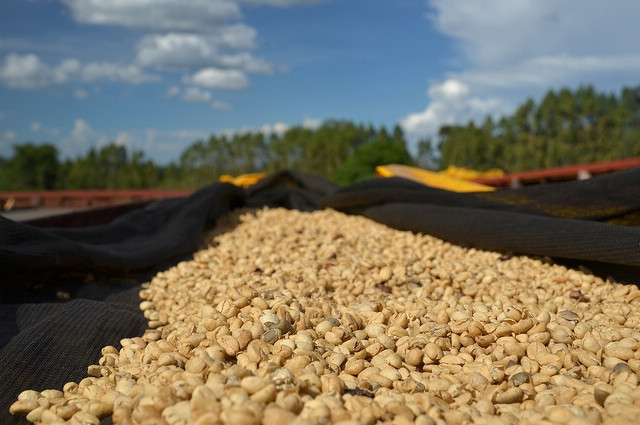
Boutique coffee Peru Peruka Hamaka Sunshine Cooperative Fair Trade washing treatment of ripe beans
Country: Peruvian production area: Cajamaca altitude: 1800-2000 m treatment: washed varieties: Tibika, Kaddura, Bourbon, Caduai producer: sunshine Cooperative Flavor: nut, Caramel, Cream Sunshine Cooperative (SOL Y COOP) was established in 2005, located in the Cajamarca coffee producing area of Peru (Peru) in South America, the And Mountains.

Asian coffee beans Indonesia manning boutique coffee ripe beans Sumatra Aceh manning
The most famous coffee producers in Asia are the islands of Malaysia: Sumatra, Java and Kaliman. Sumatra Manning coffee from the Indonesian island of Sumatra is the most famous. Mantenin coffee is produced in Lake dopa in Sumatra Province and Lake Tawa in Aceh. This is the famous Shuangman of the two lakes. What Shuangman of the two lakes have in common is that they are both very thick.
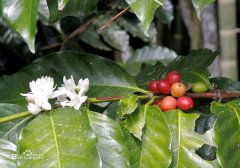
Washed coffee and ripe beans at Diamond Hill Manor in Costa Rica
Costa Rican coffee cultivation was introduced by Cuba in 1779 and exported for the first time in 1820. There are about 32000 coffee farmers, with an average planting area of less than one hectare (10000 hectares) per farmer. Costa Rica has a population of 41 billion (2006), with a coffee planting area of 82500 hectares and an annual production of 1.7 million bags (60kgs per bag). The annual domestic consumption is 380000 bags.

The process of picking and growing of Coffee
Coffee picking growth picking: most of them are picked manually. Only ripe coffee berries of similar size are picked so that the peeling machine can handle them. Cleaning: soak the coffee berries in water in order to remove overripe coffee berries. Coffee berries that are not ripe enough will be removed in other ways. Peeling: coffee berries are softened in water and treated in a peeling machine

Does it take 3-5 years to go from coffee seed to coffee tree?
Does it take 3-5 years from coffee seeds to coffee trees? coffee trees can grow up to 20 feet tall, but they are usually controlled at about 6 feet. Coffee trees will bloom for six months, and when they bloom, there will be a fragrance of jasmine in the air. After about 6 months, the red berries are ripe and ready to be picked. If Rain Water is rich in a year, the coffee will be the same.
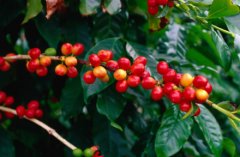
The beans of coffee are taken in the sun. Wash and bask in half the sun. Semi-washing
Today, I'd like to introduce the way to get beans from coffee: everyone knows citrus. Banana。 Apples and other fruits are rich in organic acids, immature fruits eat sour and astringent taste, ripe fruits taste sweet and delicious, because the organic acids of the fruit are converted into sugar. Coffee should also be picked after it is red and ripe, and the beans are more sweet. If the coffee farmer wants to save trouble, regardless of the coffee fruit

The way to pick up beans: in the sun. Wash and bask in half the sun. Semi-washing
Today, I'd like to introduce the way to get beans from coffee: everyone knows citrus. Banana。 Apples and other fruits are rich in organic acids, immature fruits eat sour and astringent taste, ripe fruits taste sweet and delicious, because the organic acids of the fruit are converted into sugar. Coffee should also be picked after it is red and ripe, and the beans are more sweet. If the coffee farmer wants to save trouble, regardless of the coffee fruit
A brief introduction to the Life process of Coffee beans
Coffee trees take 3-5 years from planting to fruiting. 6-10 years of coffee trees are the most likely to bear fruit, about 15-20 years, is the harvest period. Coffee trees are usually bred in nurseries and grow into saplings, and then moved to coffee farms a year later, in full compliance with the way the Arabs planted and cultivated coffee trees. Coffee trees will continue to take root downward and upward in the first four or five years of their growth.

High-quality coffee beans are taken in the sun. Wash and bask in half the sun. Semi-washing
Today, I'd like to introduce the way to get beans from coffee: everyone knows citrus. Banana。 Apples and other fruits are rich in organic acids, immature fruits eat sour and astringent taste, ripe fruits taste sweet and delicious, because the organic acids of the fruit are converted into sugar. Coffee should also be picked after it is red and ripe, and the beans are more sweet. If the coffee farmer wants to save trouble, regardless of the coffee fruit