
Cappuccino
Latest articles, industry insights and brewing guides

Dry vs Wet Cappuccino: What’s the Difference?
Learn the difference between dry and wet cappuccinos, including milk foam ratios, flavor profiles, and which suits your taste.
Where Does the Name 'Cappuccino' Really Come From?
Learn the surprising origin of the word 'cappuccino,' tied to 16th-century monks and their iconic brown robes and hoods.
What Is a Traditional Cappuccino and How Do You Make It Right?
A traditional cappuccino is 1/3 espresso, 1/3 steamed milk, and 1/3 microfoam. Learn the real ratios, temperatures, and techniques behind Italy’s classic drink.
What Makes a True Cappuccino?
A true cappuccino has a high, textured foam, a golden crema ring, and rich espresso flavor. Here’s what defines it—and what doesn’t.
How to Steam Milk for the Perfect Cappuccino
Learn how to steam milk like a pro with the right temperature, texture, and technique for smooth, velvety microfoam every time.
How to Make a Classic Cappuccino Like a Pro Barista
Learn how to craft a traditional cappuccino with the perfect 1:1:1 ratio of espresso, steamed milk, and foam, plus tips for texture and flavor balance.

How to Make a Classic Cappuccino with Dreamy Foam
Learn how to make a traditional cappuccino with 1 oz espresso, 4 oz milk, thick foam, and garnishes like cinnamon or cocoa powder.
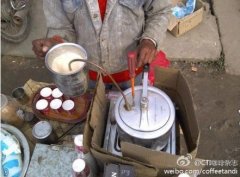
How Indians Make Cappuccino With a DIY Pressure Cooker Milk Frother
Indian coffee enthusiasts have built a DIY milk frother using a modified pressure cooker. Here’s how it works and why it’s effective for steaming milk.
Dry vs Wet Cappuccino: What’s the Difference?
Dry cappuccinos have more foam and less milk, tasting stronger; wet ones are milkier. Learn how milk-to-foam ratios change your cup.

Japanese Cappuccino Art Tells Sci-Fi Story with Foam
A Japanese artist crafts a sci-fi themed cappuccino foam art series featuring an alien invasion plot and comedic dialogue.
The Origins and Brewing of a Classic Cappuccino
Learn how the cappuccino got its name, the difference between dry and wet styles, and how to brew one with thick foam and bold espresso.
What Makes a Perfect Espresso and Cappuccino?
A perfect espresso requires dark-roasted beans and steam pressure brewing; a great cappuccino depends on espresso quality and rich milk foam.
Where Does the Name 'Cappuccino' Come From?
Learn how the famous coffee drink got its name from 17th-century monks, and why its look inspired the now-iconic coffee term.
How the Cappuccino Got Its Name and How to Make One
Learn why cappuccino shares its name with Capuchin monks and monkeys, plus classic ratios and step-by-step instructions for making it at home.
Edible Stirring Stick Turns Hot Water Into Instant Cappuccino
A designer combined coffee powder and a stirring stick into one edible stick, turning plain hot water into cappuccino with a quick stir.

Cappuccino vs Latte: What’s the Real Difference?
Learn how cappuccinos and lattes differ in milk foam, ratio, texture and taste—key facts every specialty coffee fan should know.
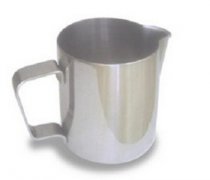
How to Steam Milk for Perfect Cappuccino Foam
Learn how to steam milk like a pro to get smooth, silky cappuccino foam every time with these essential barista techniques.

What Is a Moka Pot Cappuccino? ILLEY Live Happiily Explains
Explore the concept behind the Moka pot cappuccino trend at ILLEY Live Happiily, blending traditional moka brewing with modern café style.

Dry vs Wet Cappuccino: What’s the Difference?
Dry cappuccinos have more foam and less milk, tasting stronger; wet versions use more milk and less foam, leaning milk-forward.

Latte vs Cappuccino: Key Differences Explained
Latte has more milk and milder coffee flavor; cappuccino has equal parts espresso, steamed milk, and foam for a stronger taste.